Crossroads field guides · People · Places · Living traditions
Pakistan’s cultural heritage is visible in archaeological sites, active places of worship, languages, food and everyday craft. A meaningful journey connects these layers without treating the country as one uniform culture. This guide offers a regional starting point and practical ways to visit with care.
By Sultan Uddin · Crossroads Adventure · Editorial review: 4 October 2026
A layered cultural geography
Begin with a map rather than a single national stereotype. Punjab, Sindh, Khyber Pakhtunkhwa, Balochistan and Gilgit-Baltistan have distinct historical and contemporary identities. Languages, religious practice and hospitality vary between towns and villages, and individuals should not be reduced to a costume or ethnic label.
Pakistan’s heritage includes both monuments and knowledge passed between generations. UNESCO’s intangible heritage record is useful for understanding that distinction. A restored fort, a music tradition and a community calendar require different kinds of interpretation.
Indus and Gandhara: archaeology with context
Mohenjo-daro and Harappa
These places introduce the Indus civilisation through the evidence of settlement planning, materials and everyday life. Archaeological interpretation has limits: avoid presenting every theory about ancient belief or social organisation as settled fact. A museum visit before or after the ruins helps make individual objects meaningful.
Taxila and the Gandhara landscape
Taxila includes several sites rather than one enclosed ruin. Its museums and Buddhist remains help explain the movement of ideas and artistic forms across the region. Decide which sites fit your walking ability and time, rather than racing through the whole archaeological landscape.
Use our historical places guide for monument comparisons and UNESCO’s Taxila entry for the formal heritage description. Travel to KP sites requires a separate review of advisories and access.
Mughal, Sikh and multi-faith heritage
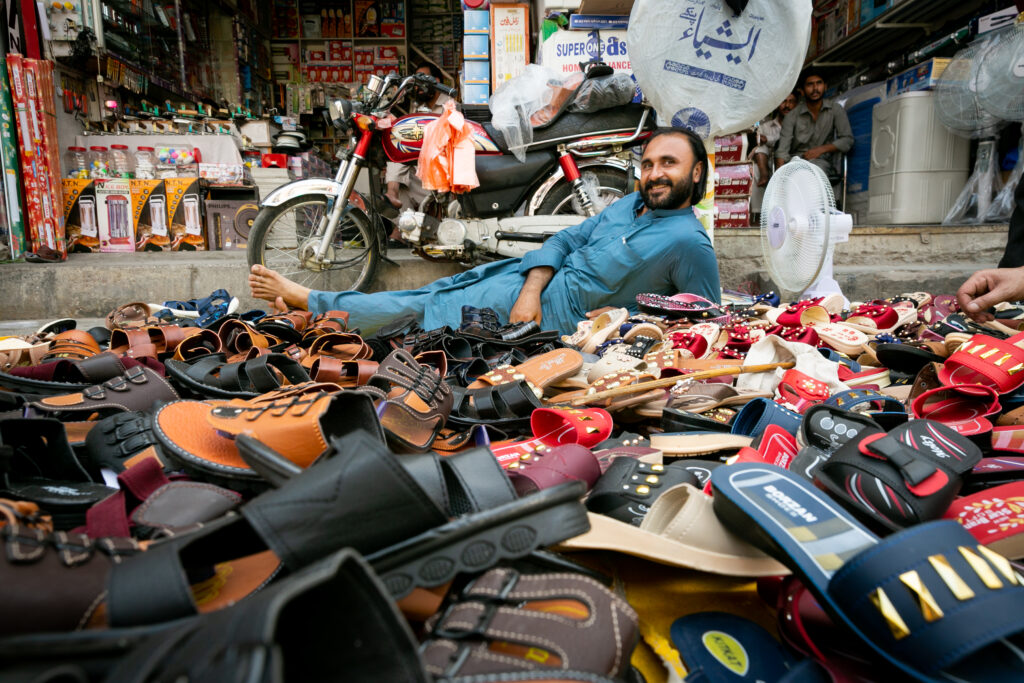
Lahore is an effective place to connect court architecture, religious sites, urban life and the Sikh period. The fort and Shalamar Gardens offer one historical thread; Badshahi Mosque, the walled city and local markets offer others. Keep worship and working neighbourhoods part of the interpretation rather than treating them as museum displays.
Nankana Sahib, Kartarpur, Hasan Abdal and Lahore are important to Sikh pilgrimage. Multan and other cities have strong Sufi shrine traditions, while Sindh includes Hindu and Jain heritage. The presence of a religious monument does not mean unrestricted visitor access. Confirm rules, dress appropriately and let worshippers take priority.
Our Baisakhi and Sikh heritage guide explains the pilgrimage corridor. The Mughal Heritage journey offers a starting point for a private cultural proposal.
Northern communities and everyday heritage
Hunza and Gojal
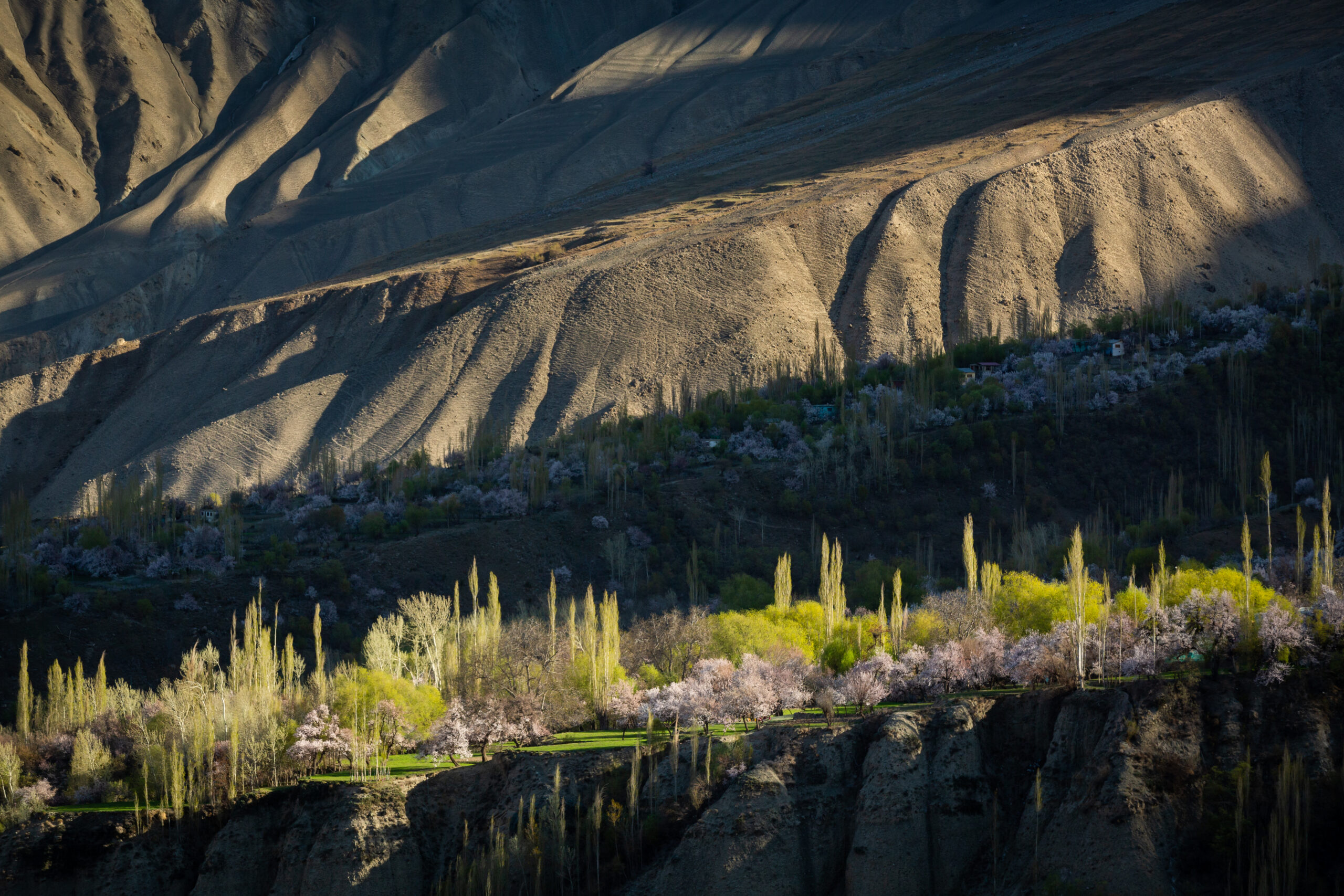
Village walks can reveal the relationship between orchards, irrigation, architecture and language. Hunza contains different linguistic communities, including Burushaski, Shina and Wakhi speakers. Ask local hosts how they describe their own place and traditions. Hospitality is an invitation, not an entitlement to enter homes.
Baltistan
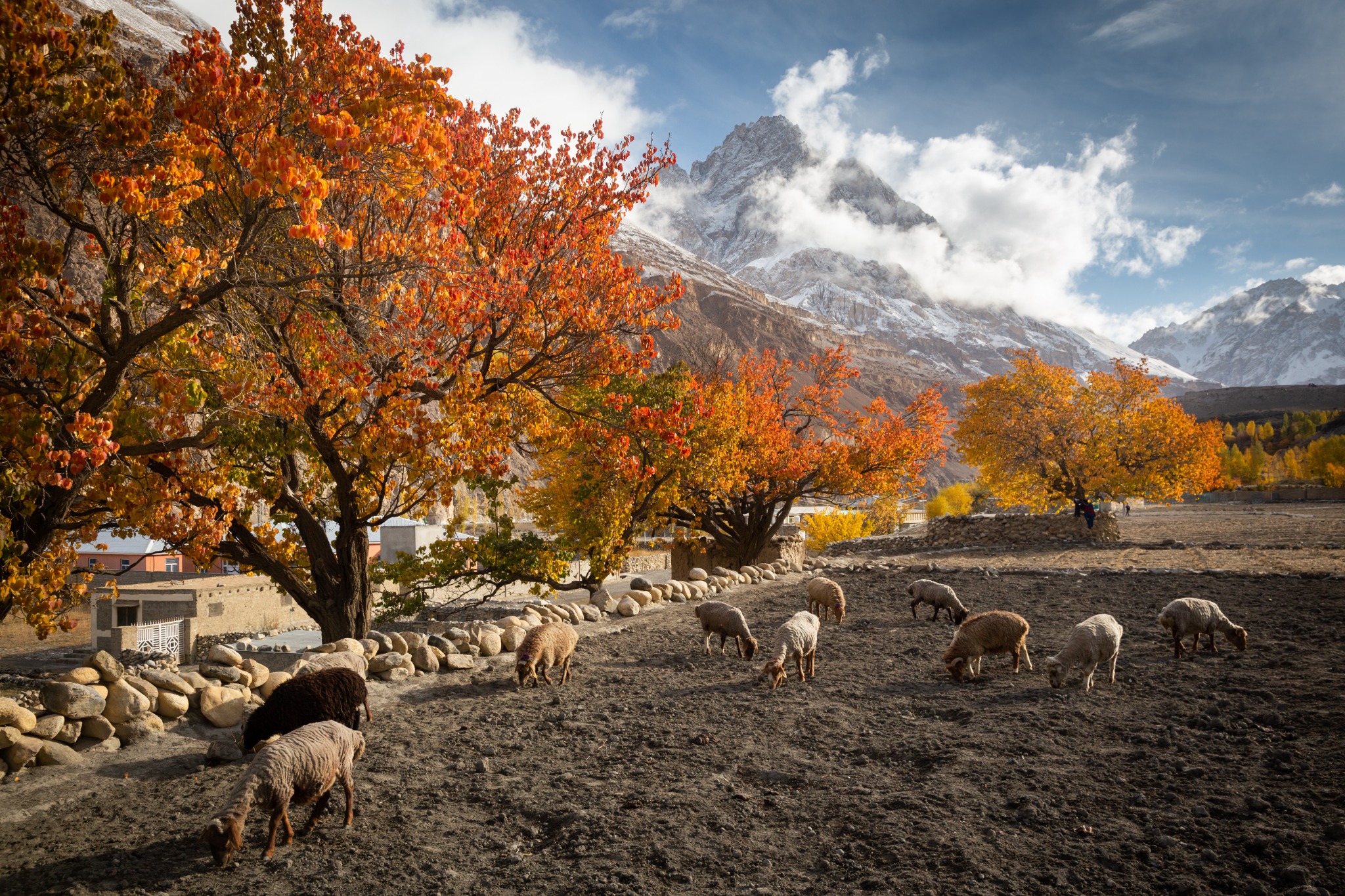
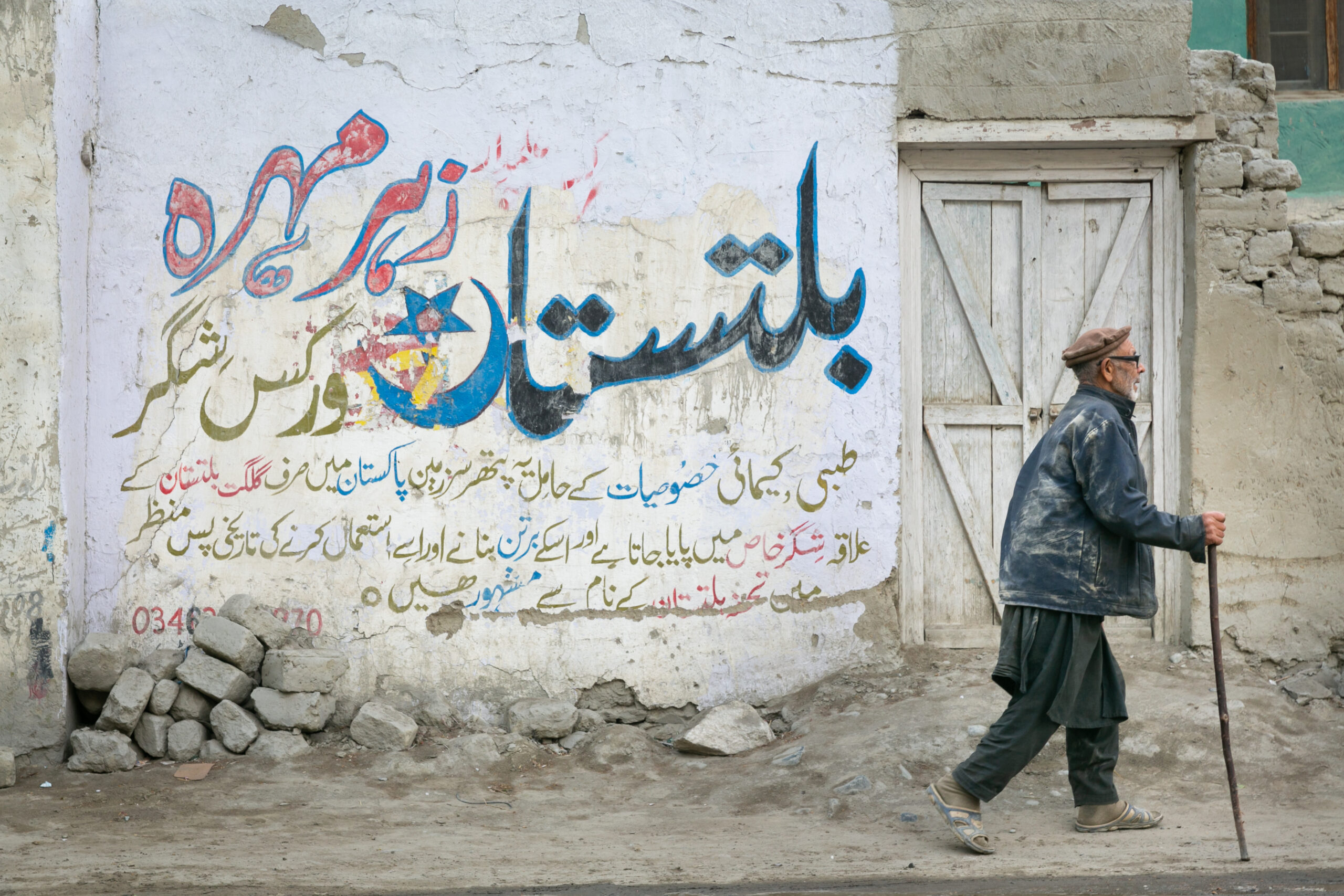
Balti-speaking communities, village paths, mosques and forts add cultural depth to a Skardu or Khaplu journey. Allow time beyond roadside photographs: a locally guided walk can explain building materials, agriculture and the way mountain travel shapes daily life.
Kalasha communities
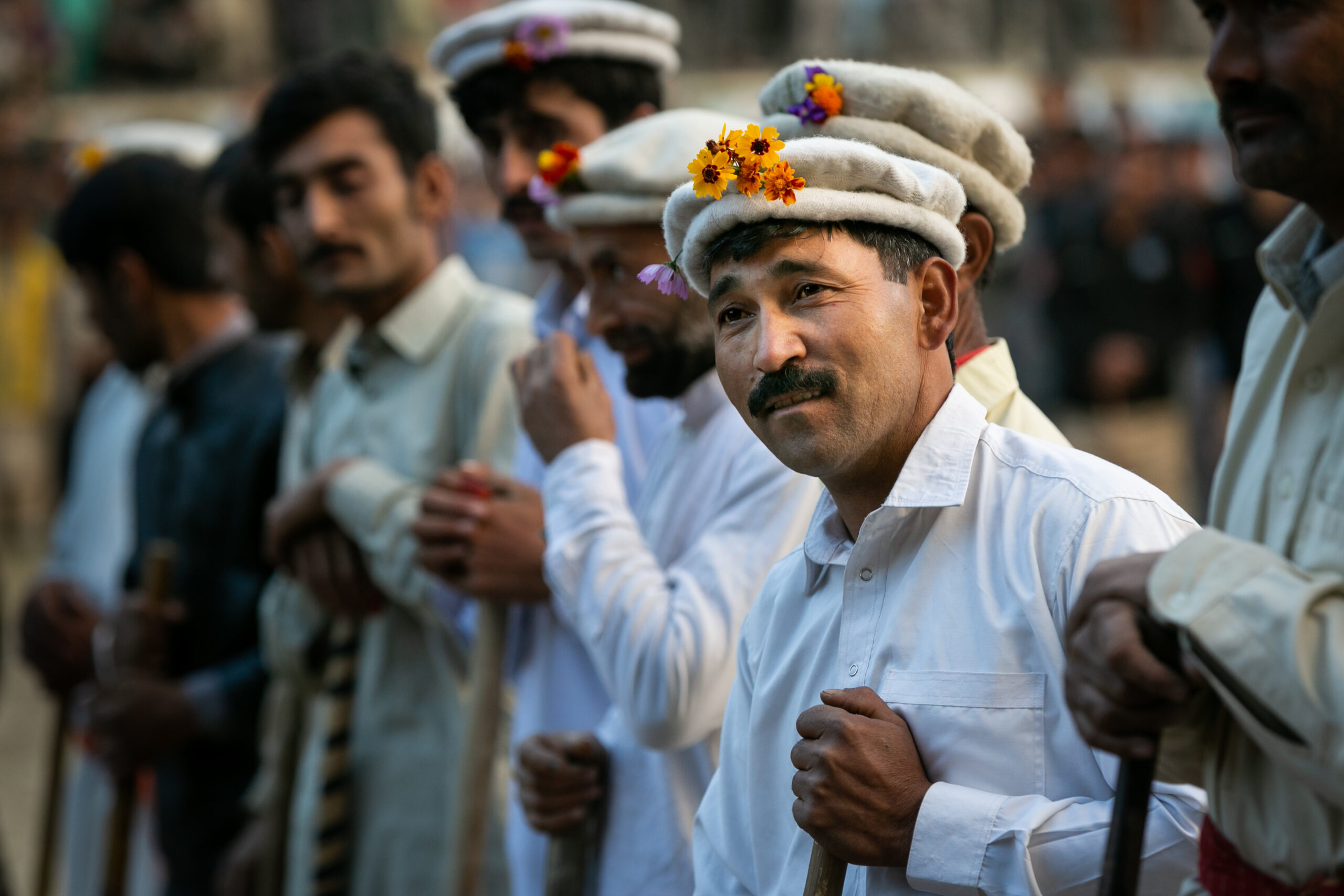
The Kalasha valleys in Chitral have a distinctive living heritage. UNESCO describes Suri Jagek as a traditional system of astronomical and meteorological knowledge. Visitors should avoid framing people as an exotic spectacle or repeating unsupported ancestry claims. Current official advice and local permissions must shape any proposed visit.
Festivals, craft and food
| Interest | Examples | What to arrange |
|---|---|---|
| Pilgrimage | Vaisakhi and Guru Nanak celebrations | Religious programme, visa category and access |
| Community festivals | Kalasha seasonal celebrations | Community consent, appropriate guiding and current travel advice |
| Craft | Textiles, woodwork, embroidery and ceramics | A workshop visit with permission and fair purchasing |
| Music and poetry | Regional and Sufi traditions | A suitable venue; performances are not guaranteed daily |
| Food | Regional meals and shared hospitality | Dietary needs, preparation and the agreed meal plan |
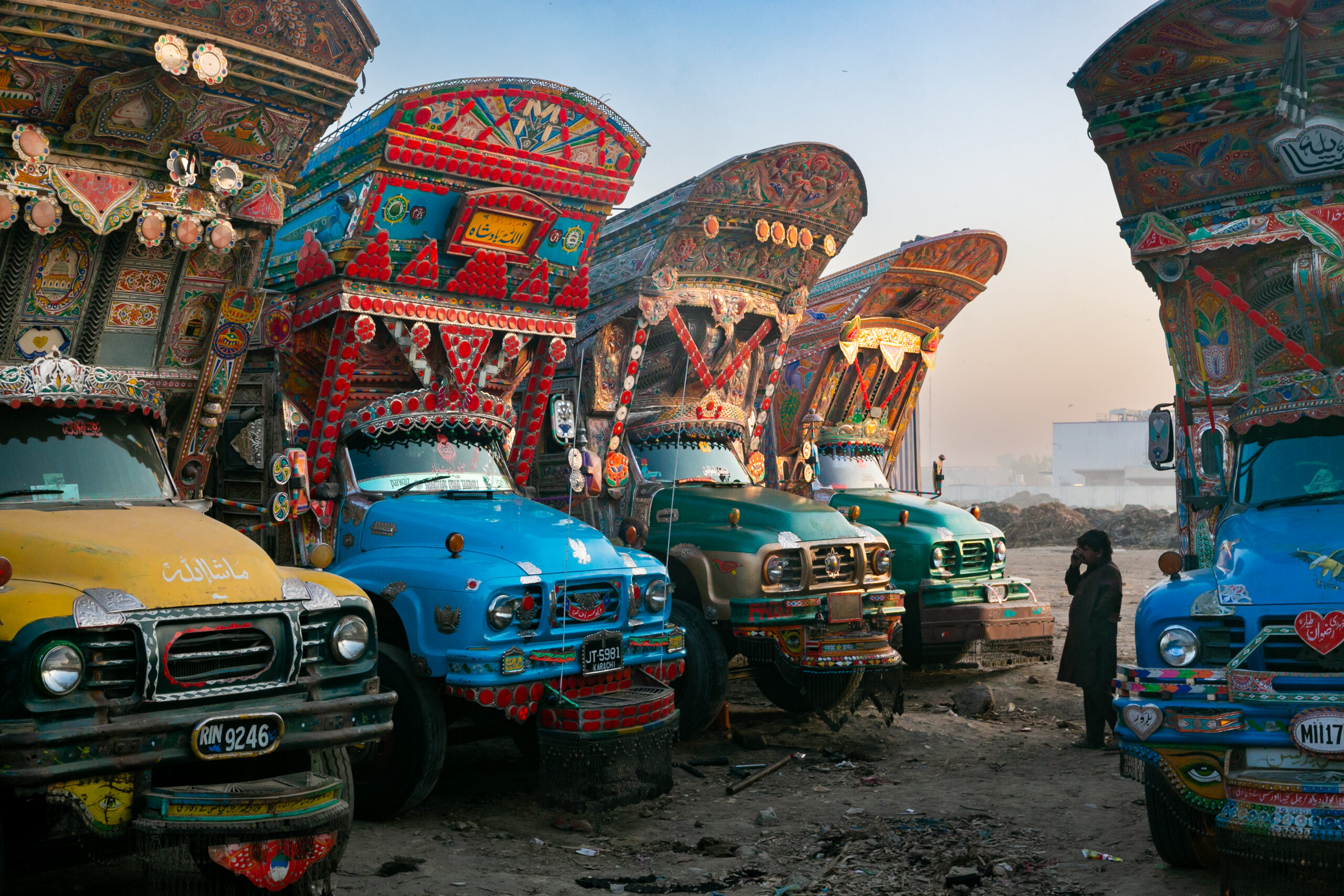
Festival calendars may follow religious, seasonal or community decisions. Do not book a fixed date based on an undated list. For food, ask about ingredients and preparation rather than assuming one national menu. Pay craftspeople fairly and avoid acquiring antiquities or objects of uncertain provenance.
Build a cultural journey with depth
Choose one corridor for a shorter visit. A Lahore–Punjab journey, an Islamabad–Taxila introduction and a Hunza–Baltistan cultural route each benefit from several nights in useful bases. Combining every region into a week turns the experience into transfers.
In the plains, cooler months generally make outdoor heritage walking more comfortable. In the north, access and the agricultural season influence what a village visit offers. Use a current forecast for your actual route and leave flexibility for local events or closures.
Agree photography rules, language support, walking pace and host arrangements before travel. For women’s spaces, ceremonies or homes, explicit permission is especially important. A guide should help interpret differences without speaking over the people you meet. The culture gallery and destination guide provide wider context.
Frequently asked questions
Is Pakistan’s culture the same in every region?
No. Languages, traditions, histories and individual preferences vary considerably. A regional approach gives a more accurate understanding.
Should I choose heritage sites or village visits?
They complement each other. Monuments explain historical layers; carefully arranged community visits add living context.
Can I photograph people at festivals?
Ask permission and follow organisers’ and hosts’ rules. A public gathering is not blanket consent for portraits.
Are festival dates fixed every year?
Some follow religious or local calendars and programmes can change. Verify the relevant year before committing to travel.
People · Places · Purpose
Plan a journey around your interests
Tell us your dates, starting point and preferred pace. We will discuss a private route with realistic travel days and appropriate local support.
Discuss your private journey →Sources and updates
Geographical and historical references are linked below. Suggested pacing and travel allowances are Crossroads planning guidance. Reconfirm road access, permissions, opening times and prices before travel.