Crossroads field guides · Archaeology · Forts · Sacred architecture
Pakistan’s historical places span Indus settlements, Buddhist archaeology, forts, gardens and active places of worship. The most rewarding route gives each site context and enough time on foot. This guide groups the major places by region and explains how to build a realistic heritage journey.
By Sultan Uddin · Crossroads Adventure · Editorial review: 4 October 2026
Start with the heritage map
A national list can hide the distances between places. Taxila and Rohtas fit northern Punjab planning, Lahore needs its own city time, and Makli and Mohenjo-daro belong to different parts of Sindh. A short journey should select a coherent corridor rather than promise every major monument.
| Property | Region | Main historical focus |
|---|---|---|
| Archaeological Ruins at Moenjodaro | Sindh | Indus urban civilisation |
| Taxila | Punjab | Archaeological landscape and Buddhist heritage |
| Takht-i-Bahi and Sahr-i-Bahlol | Khyber Pakhtunkhwa | Buddhist monastery and settlement remains |
| Fort and Shalamar Gardens in Lahore | Punjab | Mughal architecture and garden design |
| Historical Monuments at Makli, Thatta | Sindh | Funerary monuments and regional history |
| Rohtas Fort | Punjab | Sixteenth-century fortified architecture |
Check UNESCO’s Pakistan list for the formal property names. Other important places may be protected nationally or appear on a tentative list; those statuses are not the same as an inscribed World Heritage property.
Mohenjo-daro and Harappa
Mohenjo-daro, near Larkana, introduces the urban world of the Indus civilisation through brick structures, streets and archaeological evidence. UNESCO describes it as a major metropolis of that civilisation. Calling it conclusively “the world’s first planned city” is unnecessary and stronger than the evidence warrants.
Harappa, near Sahiwal in Punjab, is another important Indus site. Its name gave the civilisation its widely used archaeological label. Do not confuse an evocative reconstruction with an excavated fact: a knowledgeable guide should explain what is visible and what is inferred.
Plan exposed ruins for cooler parts of the day, carry sun protection and confirm museum and site hours separately. Moenjodaro and Harappa are not neighbouring stops. Include dedicated transport and overnight planning for the chosen region.
Taxila and Takht-i-Bahi
Taxila’s museum and archaeological sites form a broad landscape. Sirkap, Dharmarajika and Jaulian each add a different perspective, but a comfortable visit may select only a few. UNESCO’s description includes settlement remains and religious structures across different periods. Avoid reducing the whole place to an unsupported claim about a modern-style university.
For planning from Islamabad, allow roughly 35–50 km and about one to two hours each way depending on the site and city start. This is a broad Crossroads road allowance; museum time and the drives between individual ruins are additional.
Takht-i-Bahi near Mardan is a separate Buddhist monastery visit with steps and uneven surfaces. Its location in KP means current official travel advice and permissions require specific attention. A listing in a heritage guide is not a recommendation to disregard restrictions.
Lahore: monuments and the living city
Lahore Fort and Shalamar Gardens
Treat the fort and gardens as separate visits with travel between them. Architecture, courtyards, decorative work and water design repay slow interpretation. Conservation work or local events may limit particular areas. Confirm the visitor route on the day.
Badshahi Mosque and the walled city
The mosque is a religious site as well as a monument. Modest dress and respectful timing matter. A walled-city walk introduces streets, markets and working neighbourhoods; do not assume every lane or building is open to visitors.
Allow two or three days for a well-paced Lahore introduction if your interests extend beyond the best-known exteriors. Our Mughal Heritage journey can be adapted around architecture, photography and local history.
Rohtas, Makli and other heritage layers
Rohtas Fort
Rohtas belongs to the sixteenth-century history associated with Sher Shah Suri. Its scale and gateways are best appreciated with time for a guided walk. Check which areas are accessible, avoid unstable masonry and do not assume the entire perimeter is a maintained walking route.
Makli and Thatta
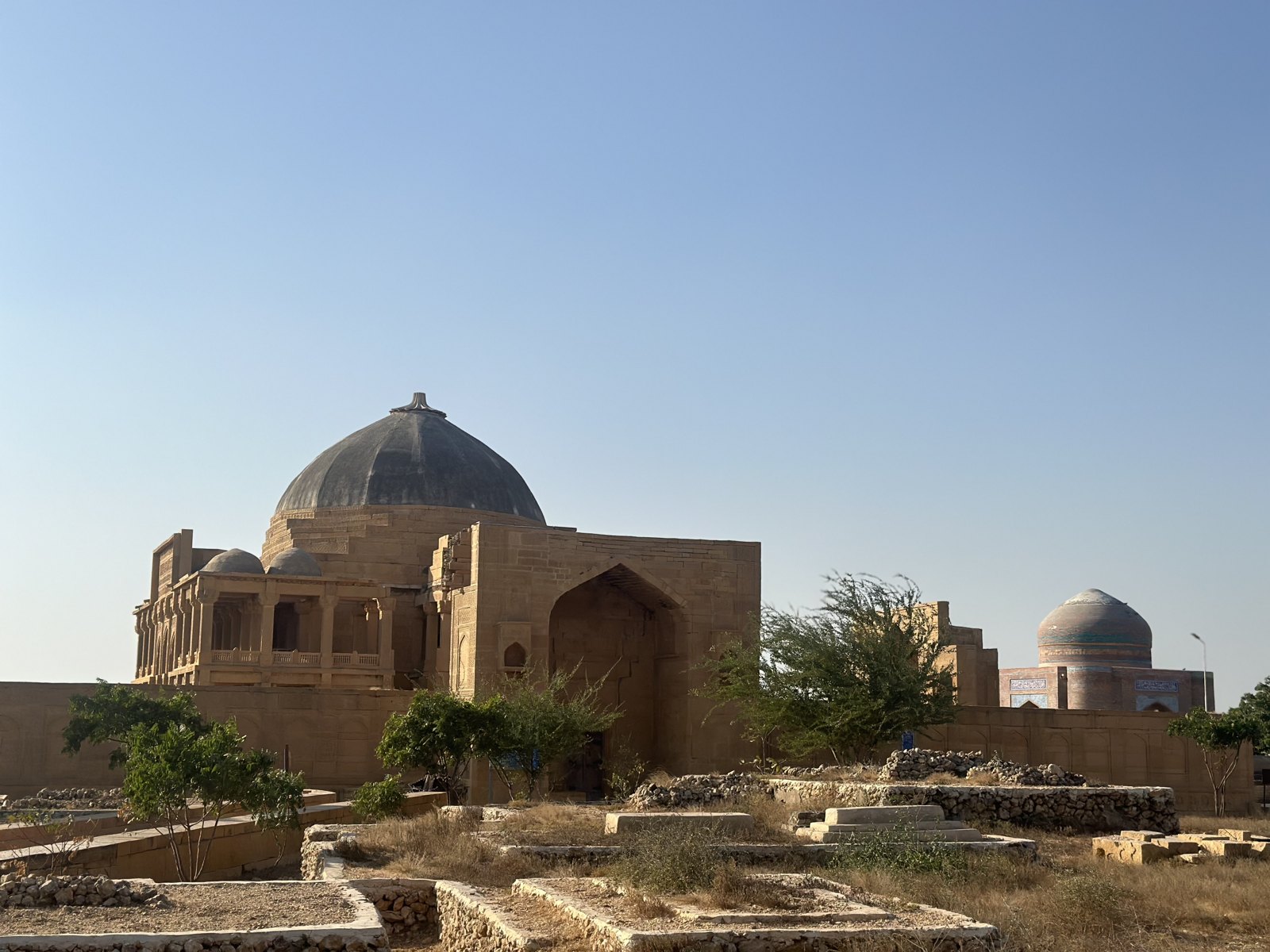
Makli’s funerary monuments require respectful interpretation, not just a scenic tomb photograph. Combine selected areas with Thatta’s wider heritage when access and conditions permit. Exposed surfaces, distances on foot and heat make pacing important.
Katas Raj, Ranikot, Baltit and Altit
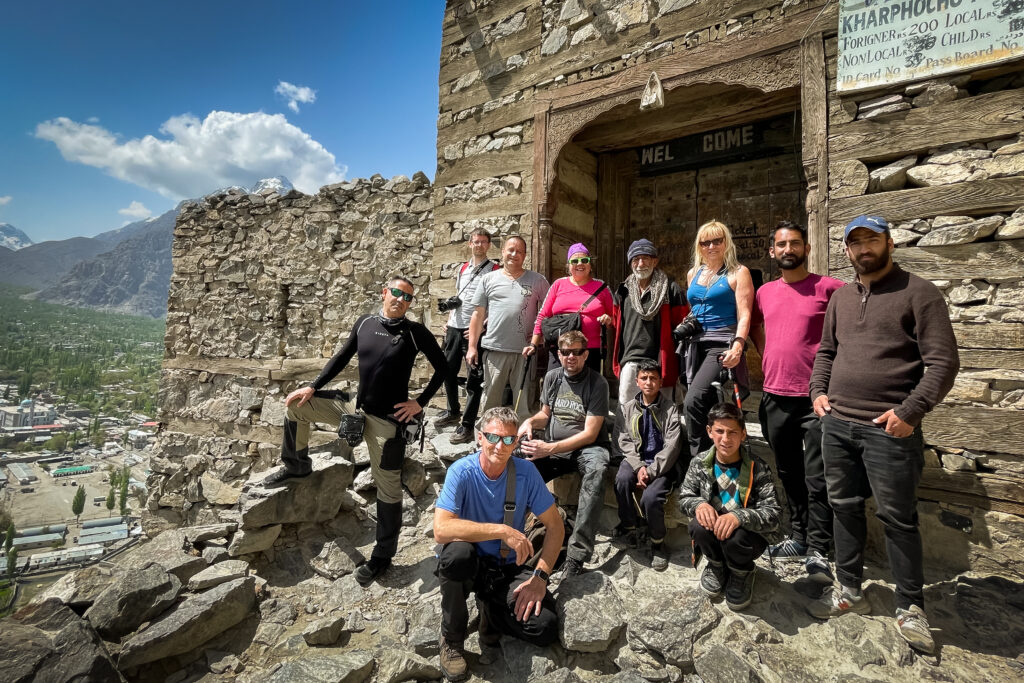
These places broaden the story through religious heritage, fortifications and mountain architecture. Their dates, conservation status and access are different. Baltit and Altit fit a Hunza stay; Ranikot is a separate Sindh excursion with its own transport and permission needs. Do not present every fortress as UNESCO-inscribed.
Season, comfort and conservation
Cooler months generally favour plains heritage walking; summer requires shorter exposed visits and shade breaks. Northern forts can be combined with village walks when seasonal access permits. Exact temperatures should come from PMD’s current forecast for the relevant city or valley, not one figure for all Pakistan.
Confirm tickets, museum hours, prayer timings and photography rules close to travel. Ask about steps, uneven ground and toilet access for anyone with mobility needs. A premium vehicle does not remove the physical demands of a site.
Stay on permitted paths, do not climb on ruins and never remove fragments. Buy contemporary craft with clear provenance rather than objects presented as excavated antiquities. To connect monuments with people and traditions, use our cultural heritage guide and Sikh pilgrimage guide. For another Punjab excursion, compare Khewra Salt Mine.
Frequently asked questions
How many UNESCO World Heritage properties are in Pakistan?
The UNESCO country list currently shows six inscribed properties. A tentative-list entry or conservation award is a different designation.
Can I see Lahore and Taxila in one day?
They are in different regional bases. Plan separate travel days and allow sufficient site time rather than combining them into a rushed excursion.
What should I ask before a heritage visit?
Confirm access, opening hours, guide arrangements, photography rules, steps and the walking distance for your chosen route.
What is the best season for historical places?
The cooler months generally suit exposed plains sites; northern access varies. Choose the season for the actual region, not a national rule.
People · Places · Purpose
Plan a journey around your interests
Tell us your dates, starting point and preferred pace. We will discuss a private route with realistic travel days and appropriate local support.
Discuss your private journey →Sources and updates
Geographical and historical references are linked below. Suggested pacing and travel allowances are Crossroads planning guidance. Reconfirm road access, permissions, opening times and prices before travel.