Crossroads field guides · US visitors · Informed travel planning
There is no responsible nationwide yes-or-no answer to whether Pakistan is safe for American tourists. Your route, timing, transport, permissions and personal circumstances all matter. This guide starts with official advice, then explains the practical questions to ask before deciding whether and how to travel.
By Sultan Uddin · Crossroads Adventure · Editorial review: 4 October 2026
Begin with the official advisory
At the 4 October 2026 review, the US State Department lists Pakistan at Level 3: Reconsider Travel. Its Do Not Travel areas include Balochistan, Khyber Pakhtunkhwa and the immediate vicinity of the Line of Control. Read the full official advisory and current embassy alerts, not only the headline level.
Official advice can change after this article is reviewed. An operator’s past successful departures, friendly encounters or a visitor’s positive review do not establish the risk for your proposed dates. Check the route against the latest guidance before booking and again before departure.
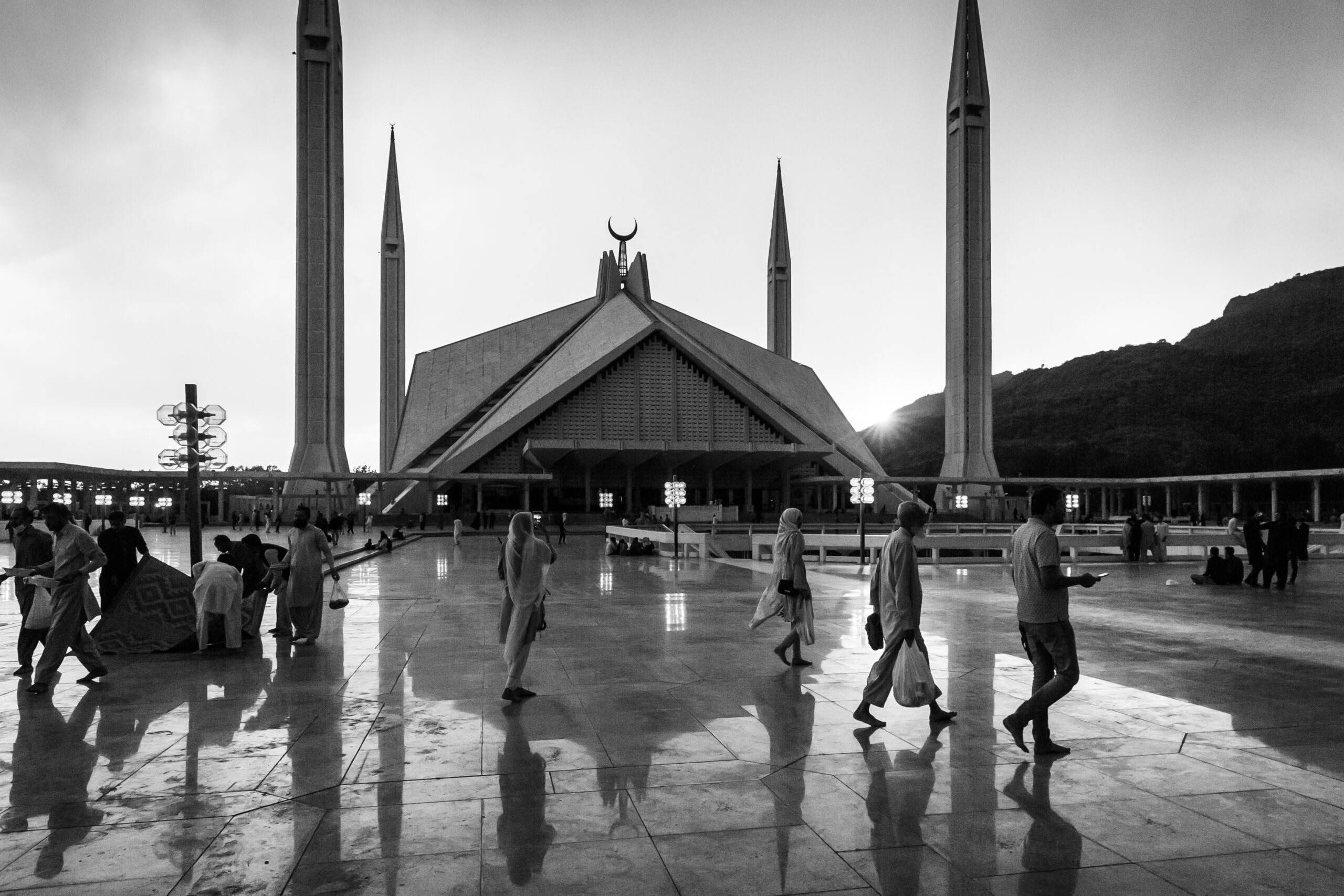
Assess your actual route
| Part of the journey | Ask before booking | Why it matters |
|---|---|---|
| Cities and arrival | Which neighbourhoods, airport transfers and local contacts are arranged? | A city name alone does not describe the daily plan |
| Mountain road transfers | What is the current road condition and the alternative? | Works, weather and closures can change the route |
| Remote valleys | Which permissions, communications and emergency arrangements apply? | Services and access may be limited |
| Border or high-altitude visits | What entry rules and altitude precautions are required? | A sightseeing visit differs from a crossing or high trek |
| Schedule and contingency | How many buffer days and which changes are possible? | A tight itinerary reduces options when conditions change |
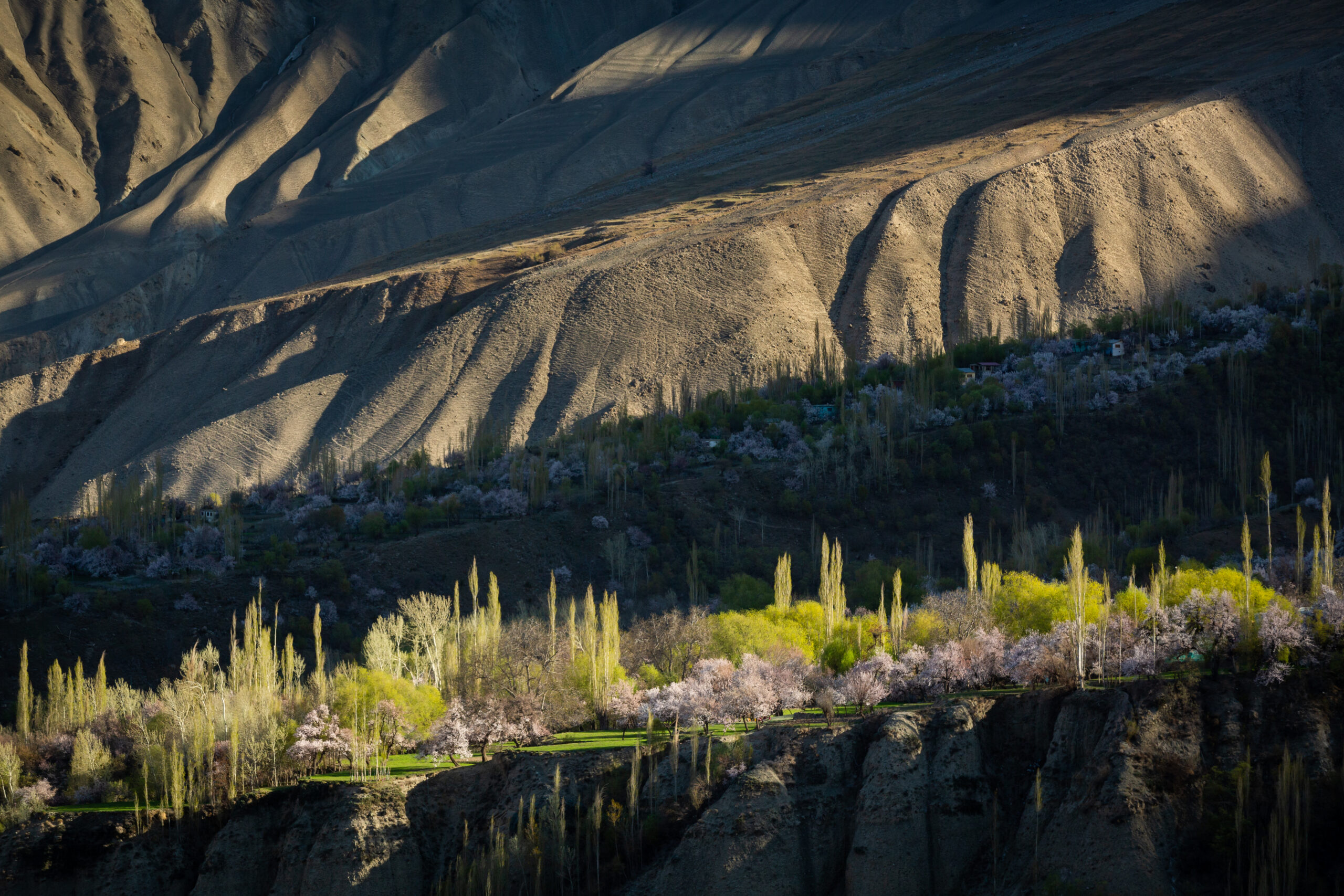
Hunza and Baltistan have different route characteristics from other parts of the country, but they should not be described as immune to risk. Assess the journey used to reach them as well as the overnight destination. Flying to a northern airport can avoid some road time while introducing weather and cancellation uncertainty.
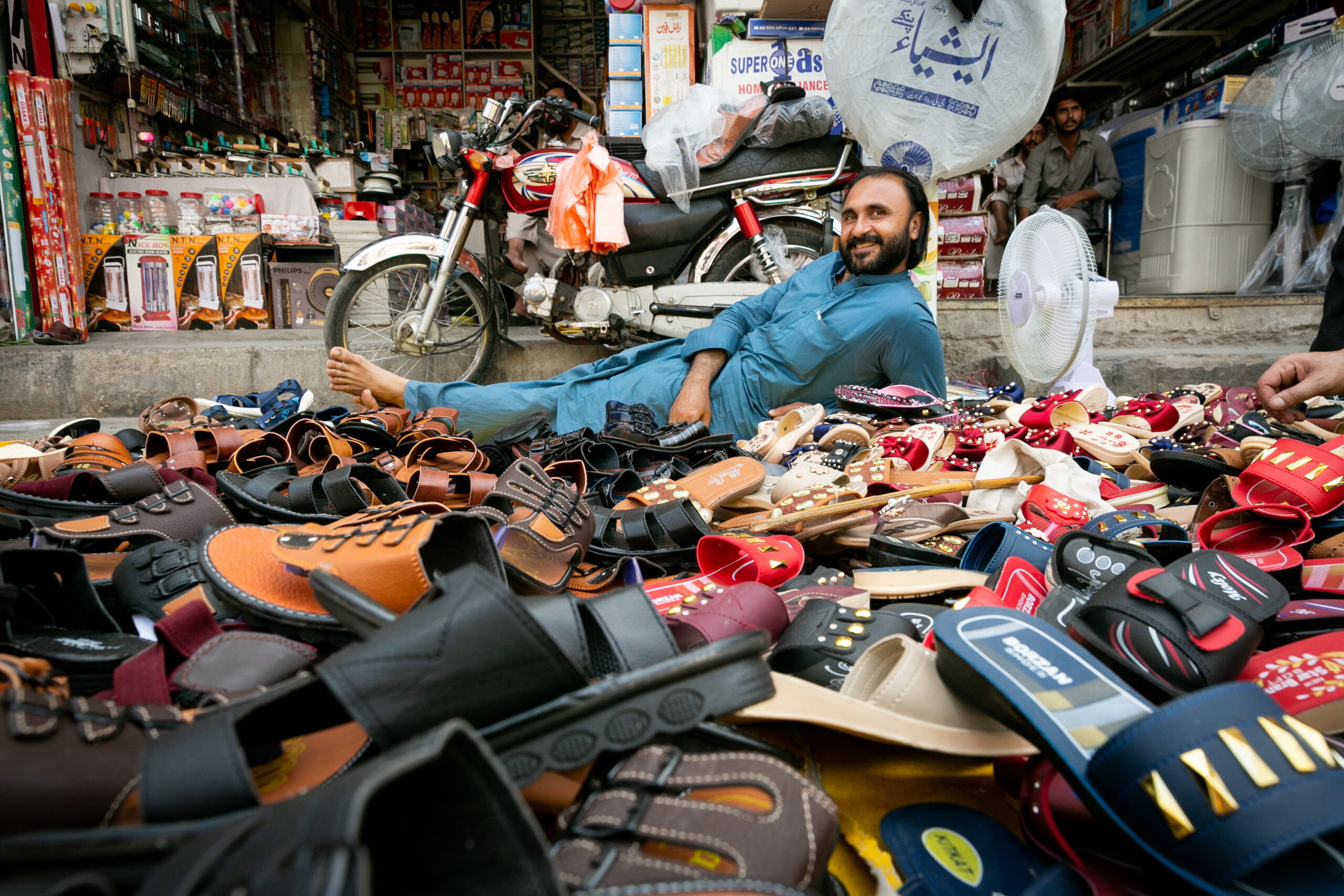
Transport and a flexible itinerary
Agree daytime driving, realistic breaks and the maximum hours in a vehicle. Ask about driver experience, vehicle maintenance and the exact road used. A four-wheel drive vehicle is not a substitute for an appropriate decision about road conditions.
Mountain flights and roads can be disrupted. Keep spare days around important international connections and discuss the alternative before a cancellation occurs. Do not accept an unexplained overnight road transfer simply because it appears to preserve the original schedule.
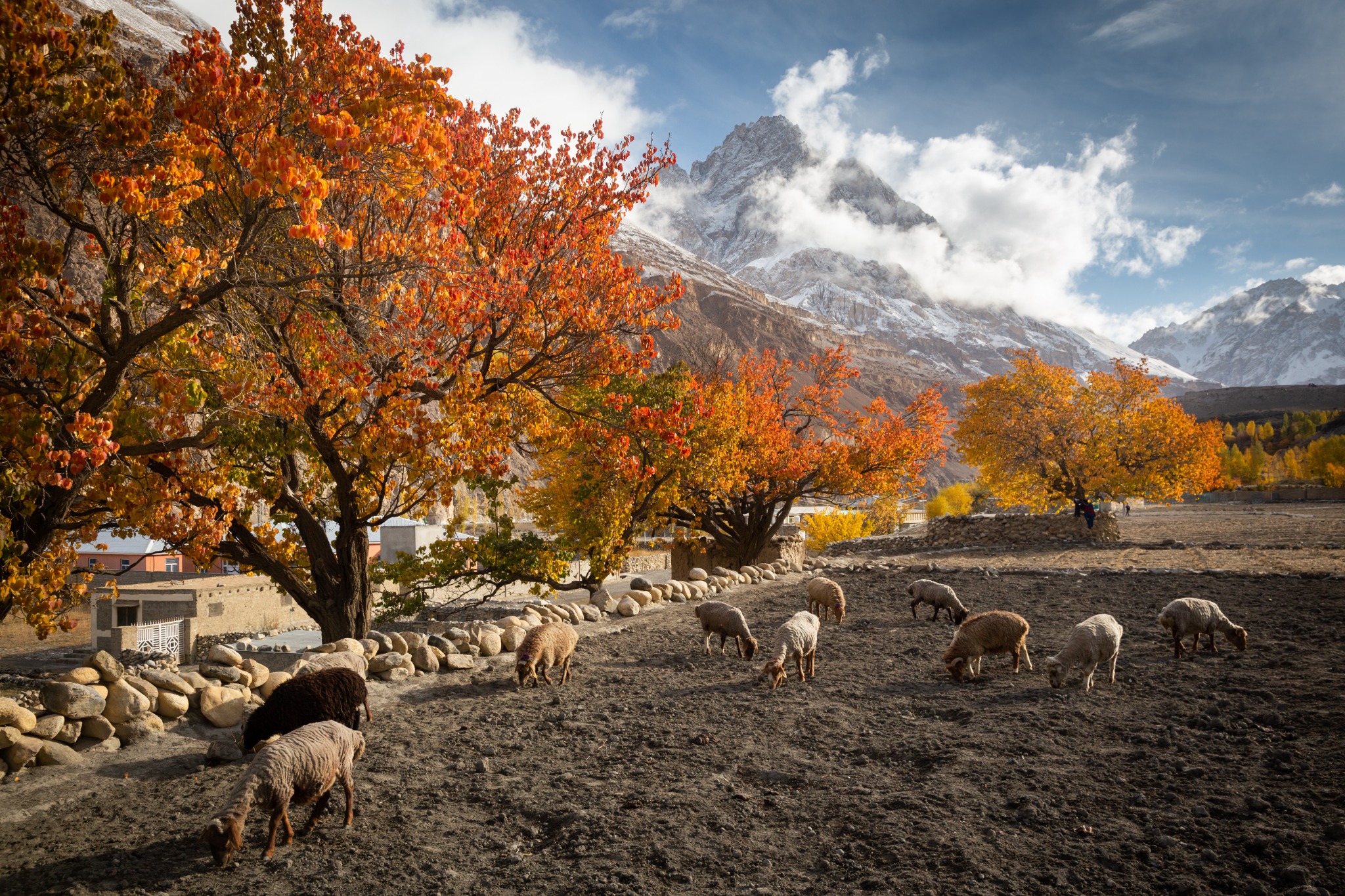
For October or other shoulder-season travel, confirm the status of high roads rather than relying on a fixed seasonal reopening or closure date. Conditions can change quickly after rain, snow or landslides. Our destination guide and seasonal hiking guide help compare route demands, but the departure-day check remains essential.
Insurance, health and emergency arrangements
Ask your insurer to confirm that your planned regions, government advisory level, maximum elevation and activities are covered. Trekking, motorcycle riding and glacier travel may need specific terms. Do not assume a standard holiday policy includes remote evacuation or that an operator can guarantee rescue access.
For a remote journey, agree who makes emergency decisions, what communication equipment is available and how evacuation would be organised and paid for. Distinguish an ambulance transfer from specialist mountain rescue. Discuss relevant health concerns with a travel-health professional before travel.
US visitors can use the Smart Traveler Enrollment Program and keep official embassy contact information accessible. Enrolment supports information and contact; it does not remove the risks of travel or provide insurance.
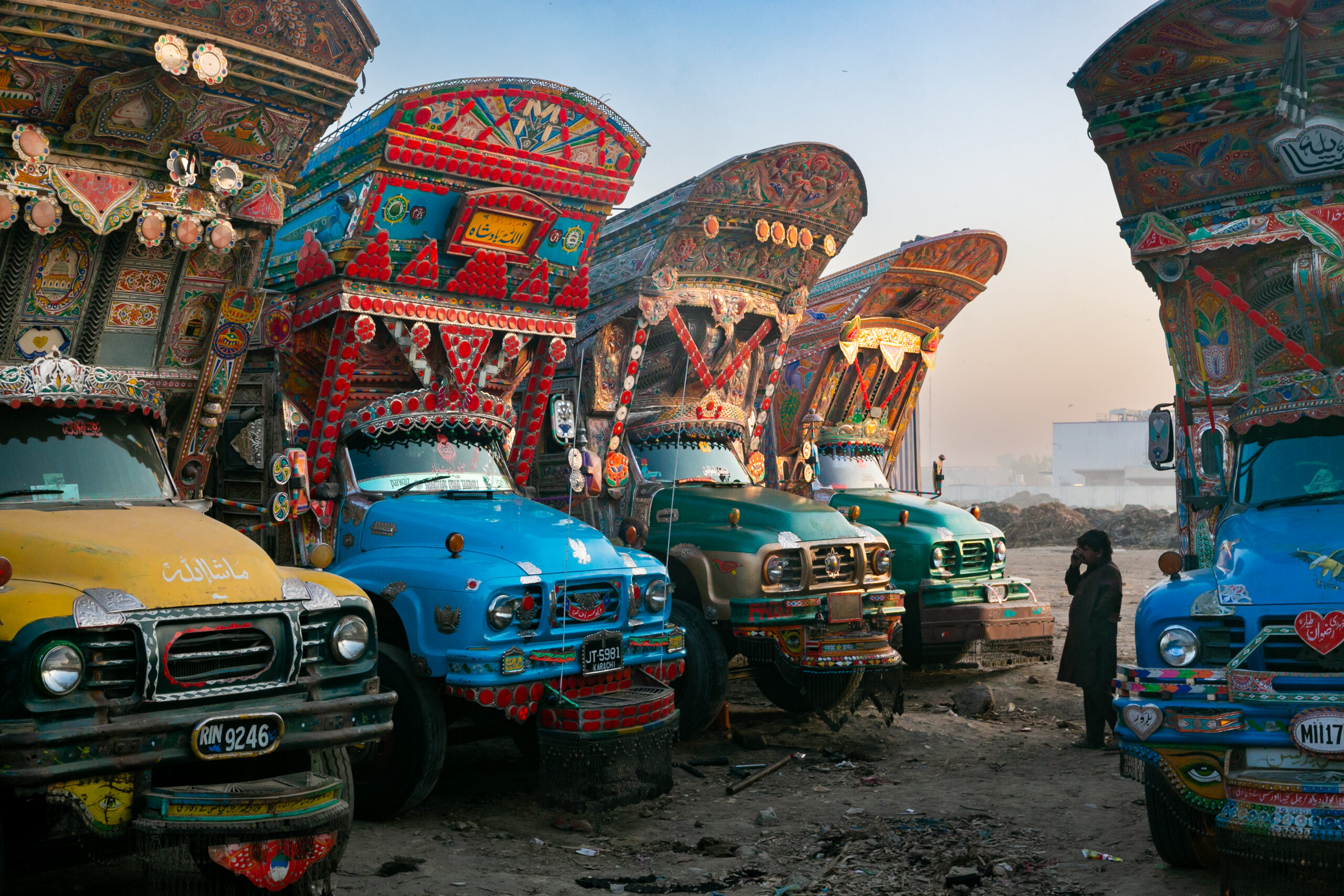
Everyday practical decisions
Documents and money
Keep secure copies of your passport, entry permission and emergency contacts. Carry only what you need for the day, with a separate backup. Ask about reliable cash access for the route and keep sufficient reserves for remote areas without displaying large amounts.
Dress, photography and local interaction
Dress with local context in mind and follow religious-site rules. Ask permission for portraits. Avoid photographing security installations or checkpoints and follow lawful instructions. Local hospitality can be a highlight, but normal personal judgement still applies.
Communications and disruption
Ask which phone services work along the intended route and what happens when coverage is absent. Stay away from demonstrations, political gatherings and other developing disturbances. If conditions change, shorten or revise the plan rather than prioritising a checklist of attractions.
Use established arrangements for accommodation and activities, and ask for a clear written statement of included services. For visa preparation, read our US visitor visa guide.
What to ask Crossroads before deciding
We can discuss the intended route, available local support, walking demands and contingency choices. Ask us to explain why an overnight base or transfer has been selected and what would trigger a change. Local knowledge is valuable when it is specific, current and candid about its limits.
A useful proposal names the places, approximate driving hours, accommodation plan and guide arrangements. It also identifies where permission or access is still subject to confirmation. It should never depend on a blanket assurance that every part of Pakistan is safe for every traveller.
For a lower-intensity cultural proposal, compare heritage route choices and living culture interests. For mountain objectives, use the hiking comparison to clarify the activity before discussing suitability.
Frequently asked questions
Is all of Pakistan equally safe or unsafe?
Risk differs by route and circumstance. Read the full advisory and assess every region and transfer in the proposed journey.
Does a local guide remove the travel advisory?
No. A guide can help with logistics and informed decisions, but does not override official advice, entry rules or insurance terms.
Can I use an ordinary policy for a high trek?
Check the insurer’s specific terms for regions, advisory levels, maximum altitude, trekking and evacuation. Obtain clarity before booking.
Should I avoid a tight flight connection after northern travel?
Leave contingency time. Weather-related flight changes and road disruption can affect northern transport.
People · Places · Purpose
Plan a journey around your interests
Share your proposed dates, route and activity level. We will discuss specific logistics and contingency options so you can make an informed decision alongside official advice.
Discuss your private journey →Sources and updates
Official advisory information was checked on 4 October 2026. This is a practical planning framework, not a personalised security clearance. Consult the live official advisory, authorities and insurer for your intended journey.