Crossroads field guides · Trekking seasons · Route planning
The best time for hiking in Pakistan depends on where you walk and where you sleep. A spring village walk, an autumn Hunza ridge and a high Karakoram expedition have different seasons. This guide compares the months without turning a broad weather window into a promise that every trail is open.
By Sultan Uddin · Crossroads Adventure · Editorial review: 4 October 2026
Choose the route before the month
Start by deciding whether you want short valley walks, a supported multi-day trek or a glacier and high-pass expedition. Then identify the highest point, overnight elevations and the approach road. A general “Pakistan hiking season” does not answer those questions.
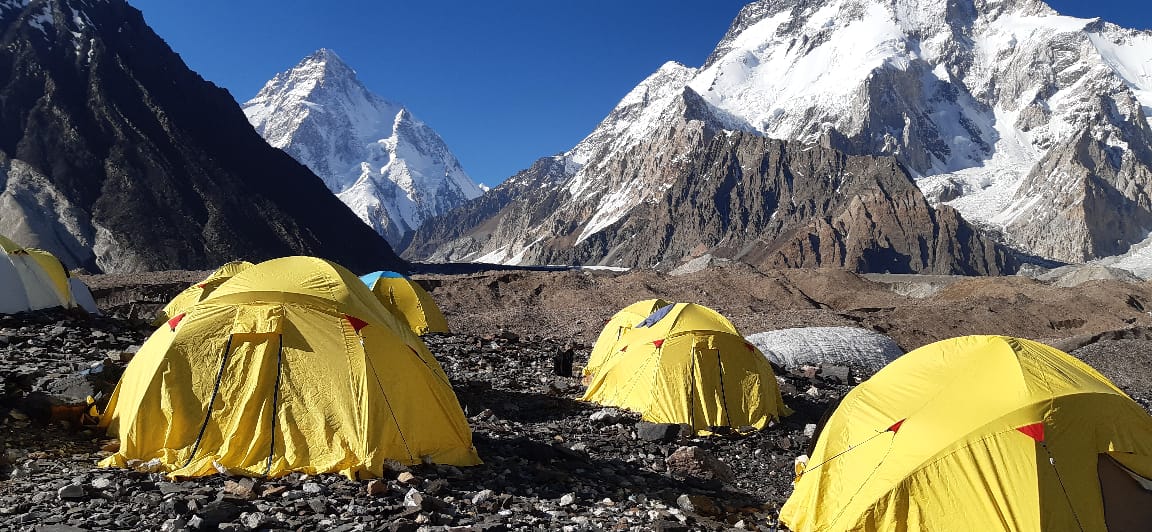
GB Tourism describes June–September as a broad favourable period for the K2 trekking landscape. That is a regional starting point, not a guarantee for every departure. Other routes can open later, close earlier or have different weather patterns. See the official route context.
Month-by-month planning
| Period | Often the better focus | Checks before committing |
|---|---|---|
| January–February | Selected lower walks where conditions permit | Snow, ice, short daylight and accommodation |
| March–April | Lower valley walks and some blossom journeys | Winter snow above settlements; variable local opening |
| May | Valley hikes and gradual move to higher routes | Remaining snow, water crossings and camp readiness |
| June | Some higher treks as access develops | Actual snow clearance; early-season pass conditions |
| July–August | Many established high trekking programmes | Rain, meltwater, crowds, permits and transport |
| September | Selected high and lower routes | Colder camps, shorter daylight and weather shifts |
| October | Valley colour and appropriate lower hikes | Early snow, reduced services and cold high camps |
| November–December | Selected lower journeys rather than standard high treks | Winter road conditions, closures and limited daylight |
These are Crossroads planning distinctions. They are not fixed annual opening dates. A warm week in May cannot prove a glacier route is ready, and a clear September forecast cannot replace a current pass report.
Summer high routes and the monsoon distinction
Summer gives longer daylight and a broader choice of established high trekking programmes. It also brings stronger meltwater and periods of rain. A river crossing that is manageable early in the day may change later; camp choices and crossing times need local assessment.
The Karakoram and the southern Himalayan foothills do not experience rain identically. Even when a northern route is relatively dry, the approach roads or connecting cities may be affected. Check the full travel corridor, not only the trek location.
For Baltoro, ask about rest days, camp sequence and whether the return includes a high pass. For a Biafo–Hispar traverse or other remote glacier objective, snow cover and technical conditions need specialist review. The season alone does not establish suitability.
Spring and autumn in Hunza and the valleys
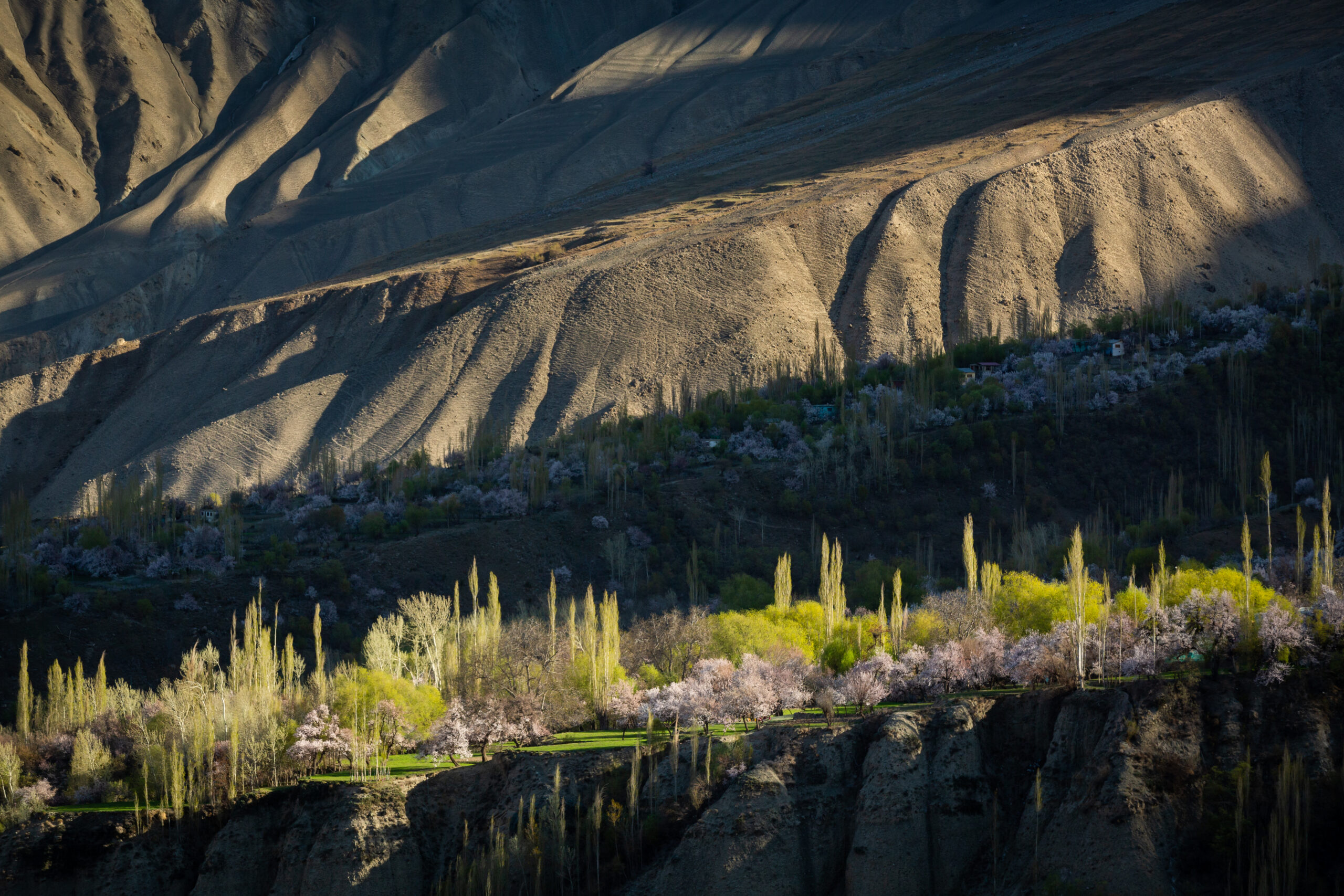
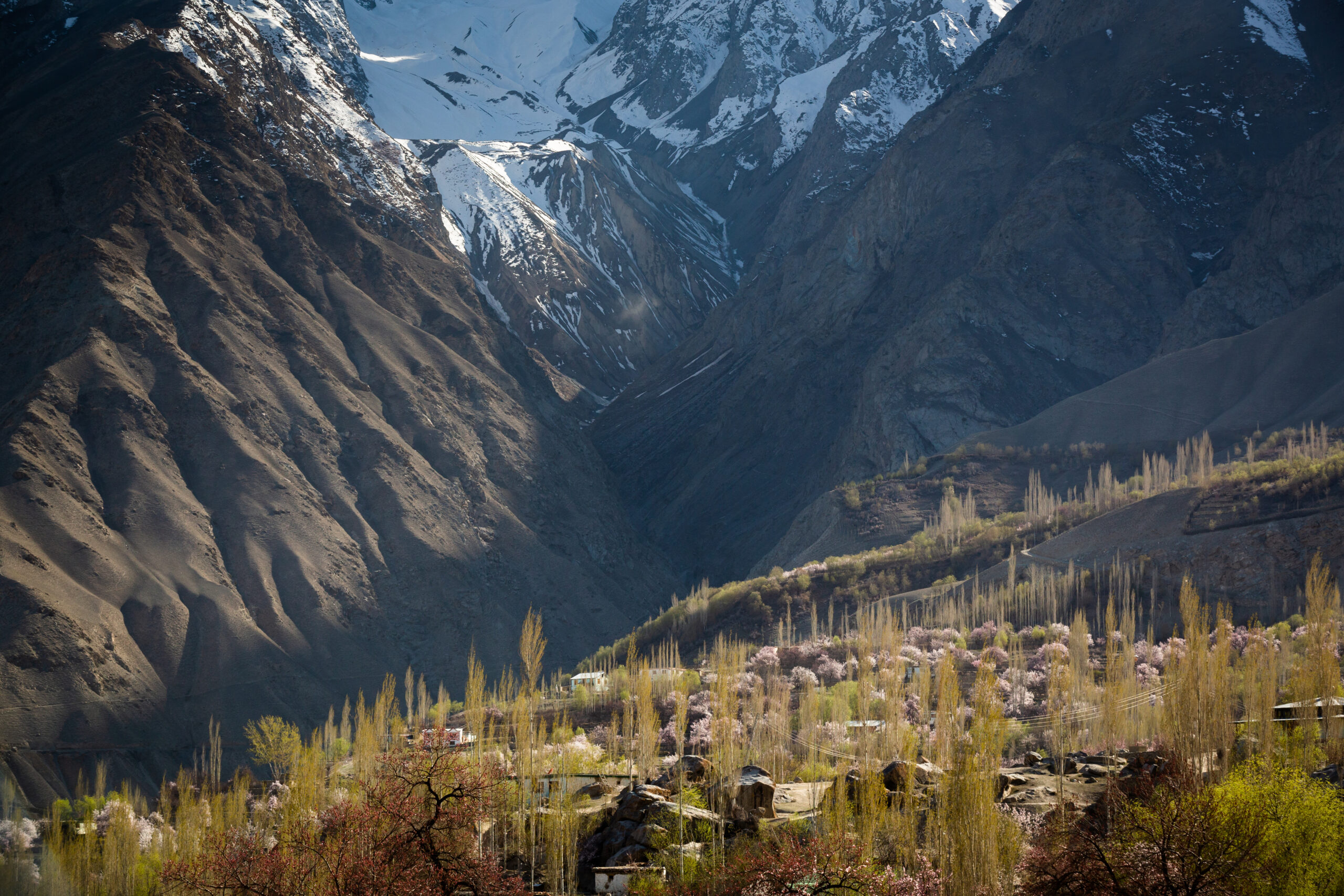
Spring combines orchard landscapes with some lower walks, but snow can remain on shaded slopes and high approaches. Blossom timing varies by valley and year. Choose flexible walks near the overnight base if the main purpose is photography and culture.
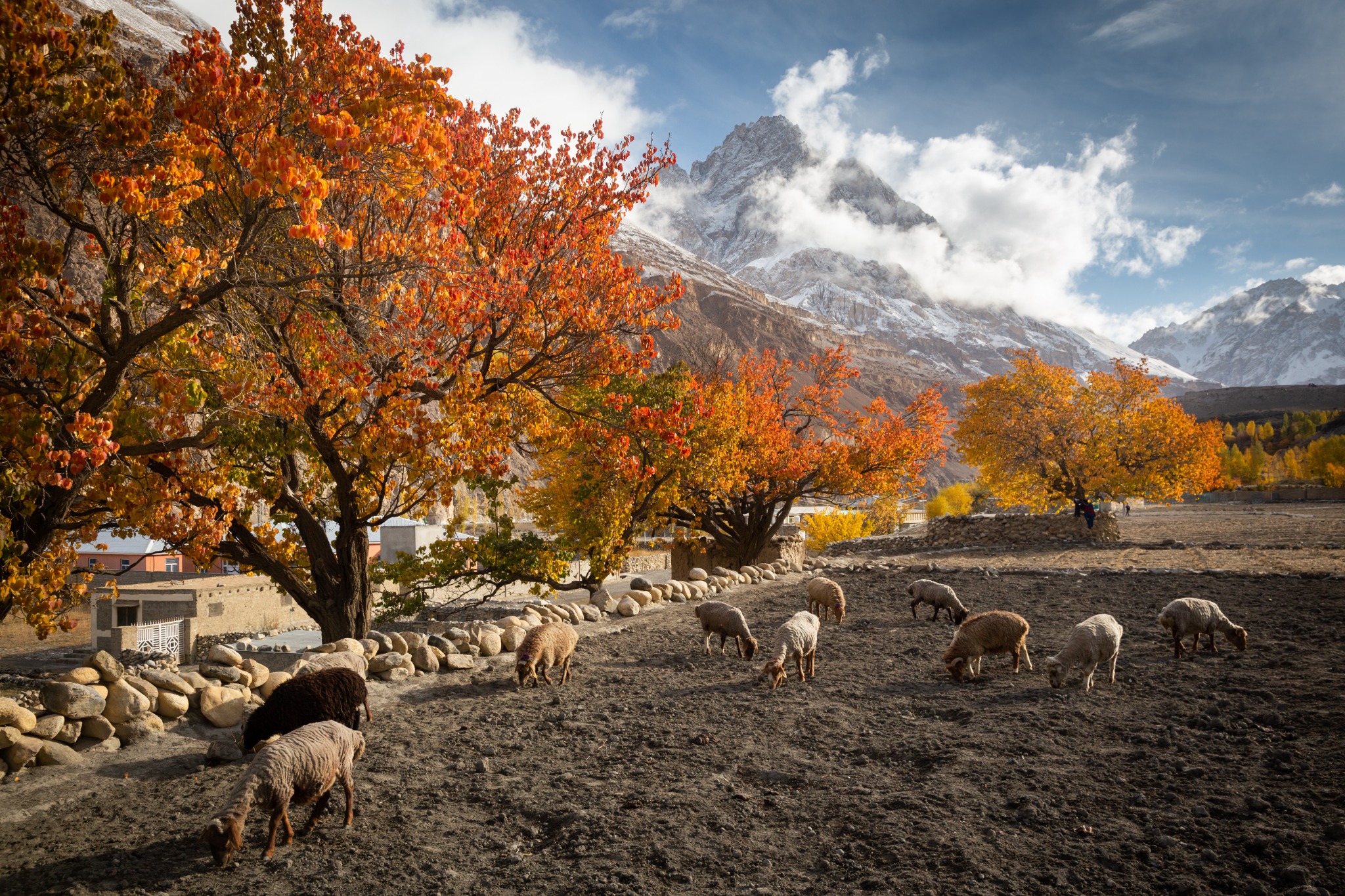
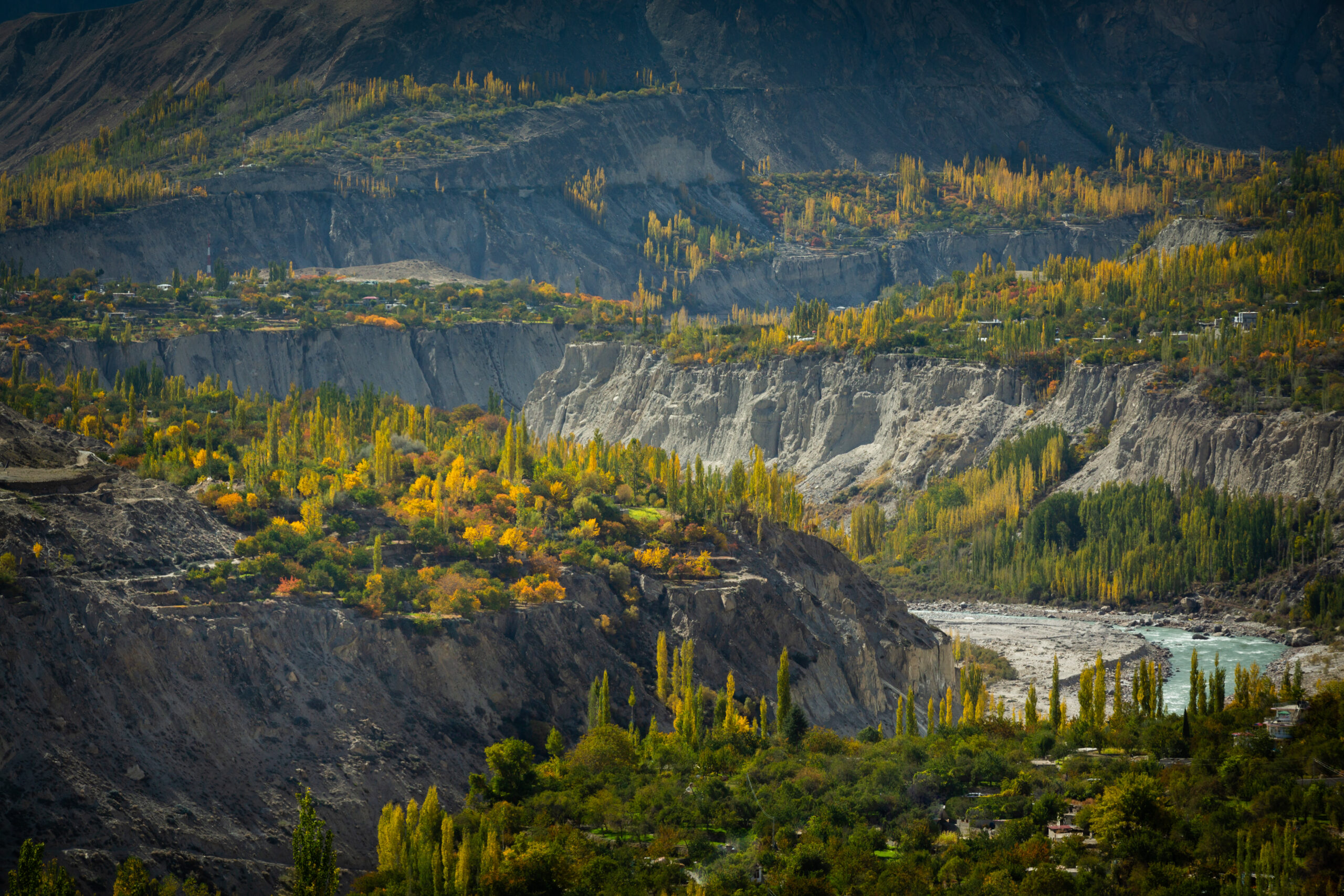
Autumn can suit valley walks and colour photography, with colder nights and shorter days. Do not automatically extend the same dates to Patundas, Rush Lake, Shimshal’s high routes or Fairy Meadows. Ask whether camps, tracks and support are operating for the actual period.
For travellers arriving after mid-October, it may be more comfortable to focus on village walks and lower viewpoints rather than insist on a cold high camp. Decisions should follow the year’s conditions and the group’s comfort, not a generic “best autumn trek” claim.
Temperature, altitude and equipment
A valley weather forecast is not a forecast for a camp several thousand metres higher. Ask for the expected range at each overnight location, the wind exposure and the shelter provided. Exact numbers should be tied to a place and forecast date, rather than printed as one national monthly temperature.
For high camps, discuss equipment suitable for freezing conditions even in summer. Layers, rain protection and a properly matched sleeping system matter more than a sunny promotional photograph. Check PMD weather information and your guide’s route observations shortly before departure.
Allow gradual altitude adjustment and separate sleeping altitude from the highest point reached during the day. Fitness does not remove altitude risk. Discuss personal suitability with a travel-health professional when appropriate; CDC altitude guidance provides background.
Permits, flights and booking buffers
Permit processing, local teams and camps can influence dates as much as weather. PTDC’s trekking material gives a minimum 30-day permit processing reference. Reconfirm the present process and leave additional time for requests or changes rather than assuming a guaranteed deadline.
Northern flights can change with weather, while road alternatives may add long days. Leave contingency around arrival, trek start and the international flight home. Avoid a plan that requires every connection and road transfer to work perfectly.
Read our hiking routes comparison before selecting dates. The glacier guide explains terrain distinctions, and the US visa guide covers document preparation for relevant visitors. Confirm current official travel advice for every region included.
Frequently asked questions
What is the single best month for every Pakistan trek?
There is no single best month for all routes. Choose the objective and altitude first, then review its seasonal access.
Can I hike in Pakistan in October?
Appropriate lower walks may be possible, but higher camps and approaches can be very cold or affected by early snow. Check the specific route.
Does summer guarantee a high pass is open?
No. Snow, weather, crossings and local support determine actual access.
Should I use the Hunza town forecast for a high campsite?
No. Request conditions for the camp’s elevation and exposure, and check current observations with the guide.
People · Places · Purpose
Plan a journey around your interests
Tell us your dates, starting point and preferred pace. We will discuss a private route with realistic travel days and appropriate local support.
Discuss your private journey →Sources and updates
Geographical and historical references are linked below. Suggested pacing and travel allowances are Crossroads planning guidance. Reconfirm road access, permissions, opening times and prices before travel.