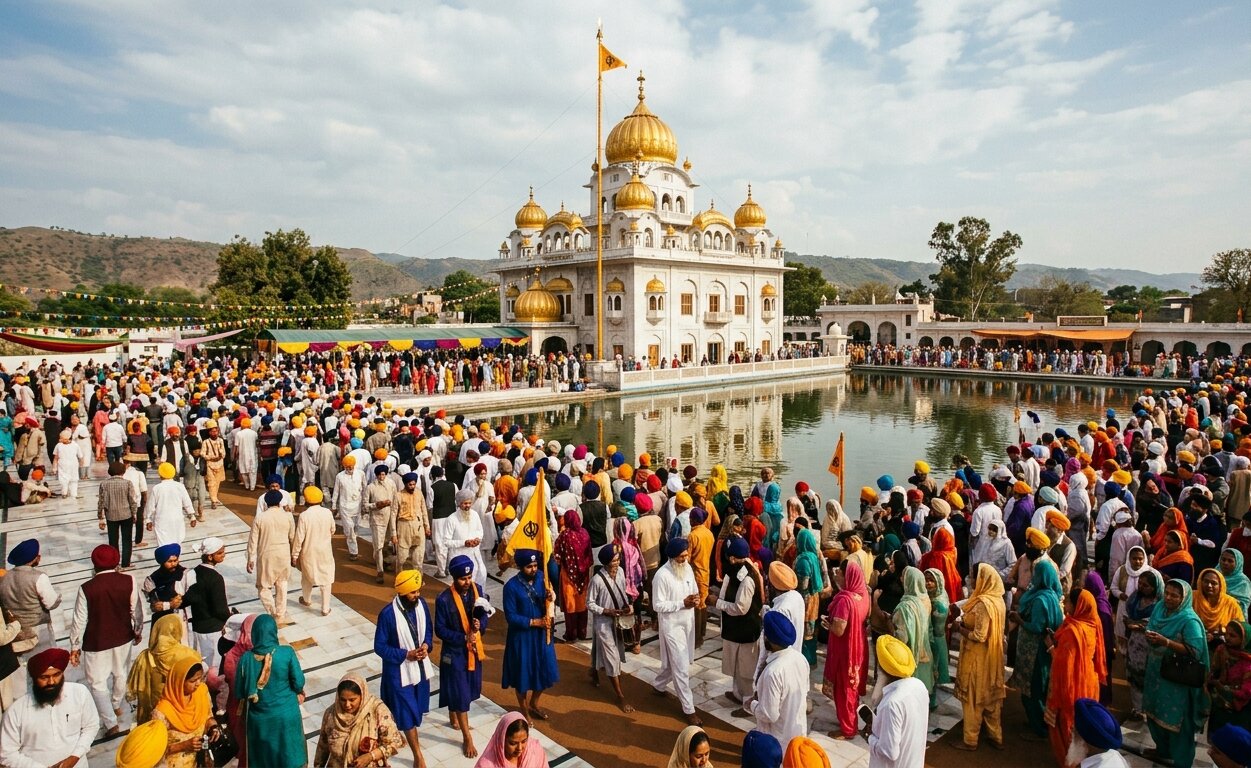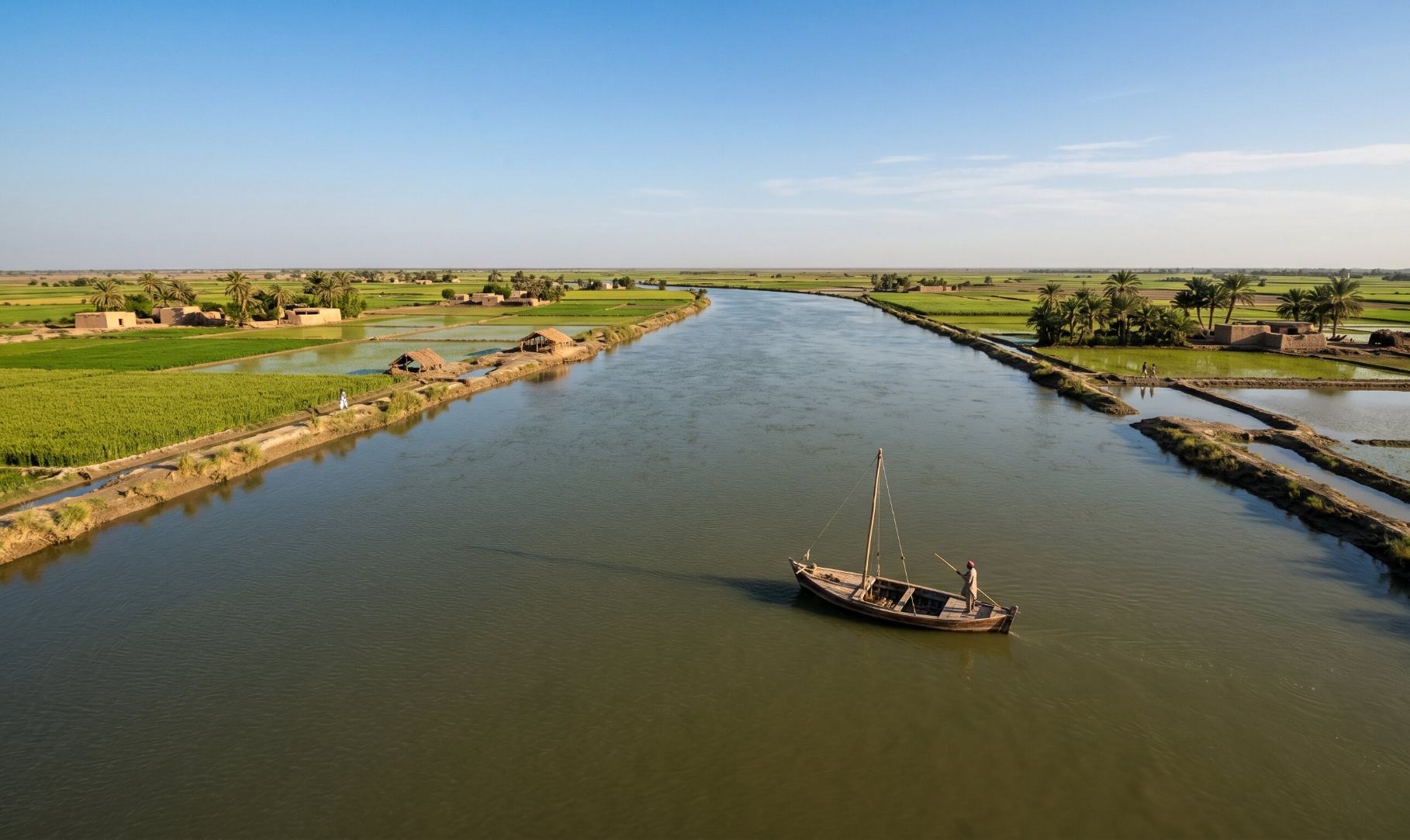

Most travellers who visit Pakistan for the first time say the same thing: nothing prepared them for how extraordinary it actually looks. Photographs come close but fail to capture the scale, the silence, or the feeling of standing in a valley surrounded by seven-thousand-metre walls of rock and ice. The north of Pakistan holds some of the most dramatic natural environments on the planet, and they remain genuinely uncrowded compared to Nepal or the European Alps.
Whether you are drawn by the ancient Silk Road culture of Hunza, the raw wilderness above Skardu, the untouched valleys of Chitral, or the extraordinary alpine meadows of Gilgit-Baltistan, this guide covers the places that genuinely deserve a place on your list. Crossroads Adventure runs curated expeditions and experiences across all of these regions, built around local expertise and responsible travel.
Hunza Valley: The Crown of Northern Pakistan
No list of beautiful places in Pakistan is complete without Hunza, and no amount of writing fully does it justice. The valley sits along the ancient Silk Road in Gilgit-Baltistan, flanked by some of the most imposing mountains anywhere on Earth. Rakaposhi (7,788m) rises to the south with such sudden drama that it looks like a painting. Ultar Sar towers directly above Karimabad. On a clear morning in the upper valley, the view stretches into the Pamirs and across the Chinese border.
What makes Hunza exceptional is that its beauty is layered. There is the natural spectacle of the peaks and glaciers, the human story of a community that has lived here for centuries along one of the world’s great trade routes, and the seasonal transformations that change the valley’s character entirely depending on when you arrive. Spring brings cherry and apricot blossoms that paint the terraced fields white and pink. Summer turns everything vivid green. Autumn drapes the poplars and willows in gold and amber. Crossroads Adventure’s Hunza and Baltistan premium expedition and the dedicated Hunza cherry blossom spring experience are built around this seasonal richness.
Attabad Lake
Attabad Lake was formed in January 2010 when a massive landslide buried the village of Attabad and blocked the Hunza River. What grew from that tragedy over five months became one of the most photographed lakes in Pakistan. The water is an almost unreal shade of turquoise, caused by glacial silt suspended throughout the reservoir. The lake sits directly alongside the Karakoram Highway, making it accessible even to visitors who are not trekking. Boat rides across it, with sheer canyon walls rising on both sides, are a highlight of any Hunza visit.
Passu Cones and the Upper Hunza Glaciers
The Passu Cones, known locally as Tupopdan, are a collection of cathedral-like rock spires that rise above the Karakoram Highway near Passu village. They appear almost impossibly sharp, like a row of stone teeth against the sky. The Batura Glacier and Passu Glacier sit nearby, both accessible on foot from the village. The Hussaini suspension bridge, crossing the Hunza River on widely-spaced wooden planks, is one of the most famous bridges in Pakistan. The Patundas Ridge above Passu offers some of the finest panoramic views of the upper Karakoram. Crossroads Adventure runs a dedicated Patundas Ridge trekking experience from this area.
Karimabad, Baltit Fort, and Altit Fort
Karimabad is the main town of Hunza and the best base for exploring the valley. Baltit Fort, built around 700 years ago, commands a position above the town with views across the entire valley to Rakaposhi. Altit Fort is older still, estimated at over 1,100 years, and sits in a dramatic cliffside position above the Hunza River. Together they tell the story of the Mir of Hunza, the ruling dynasty that governed this valley for centuries along the Silk Road. The town itself, with its apricot orchards, dry fruit markets, and teahouses looking out at the mountains, is one of the most pleasant places to spend time in all of northern Pakistan.
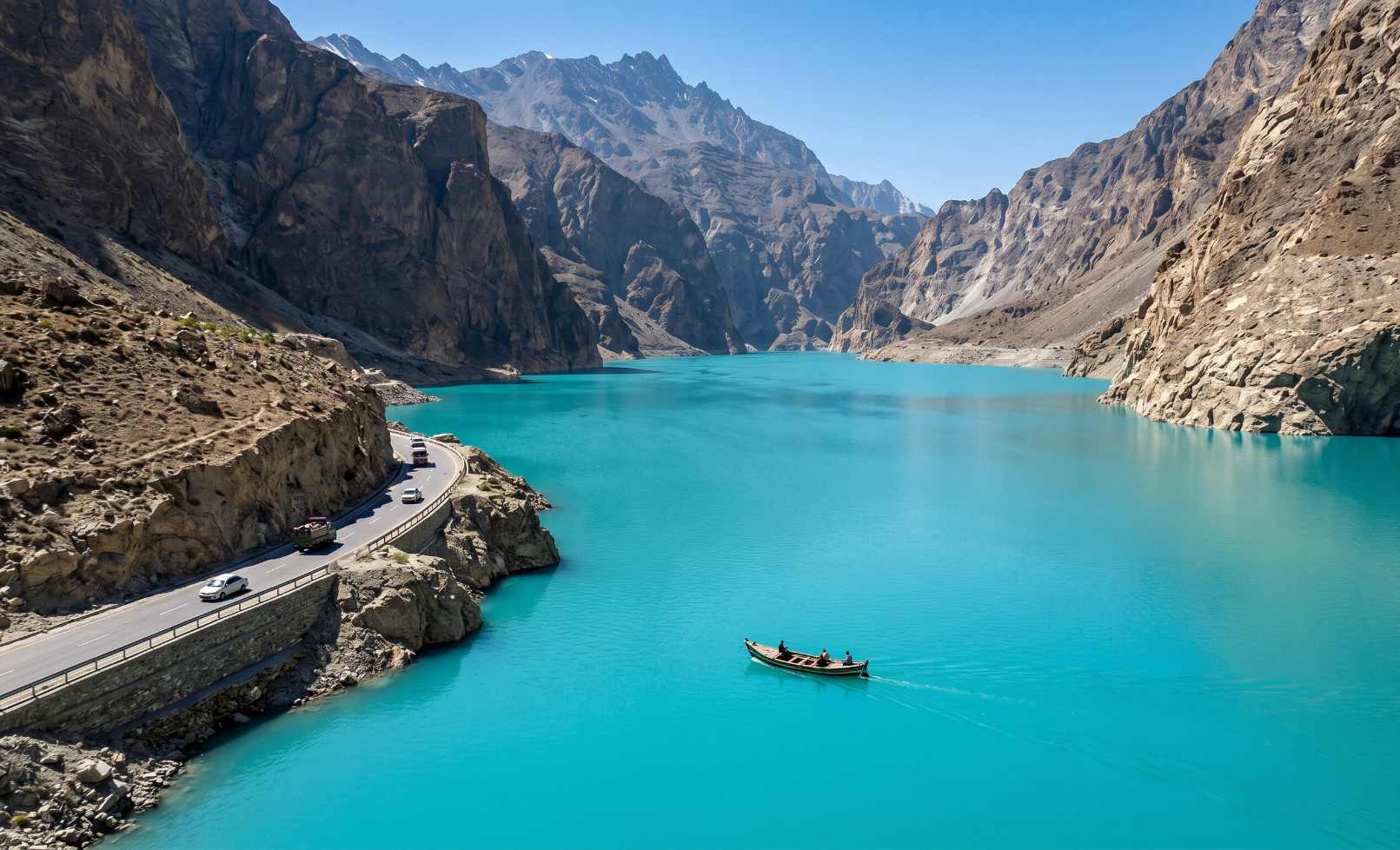
Attabad Lake, formed by a 2010 landslide, is now one of Pakistan’s most visited and photographed natural wonders
Skardu and Baltistan: Gateway to the World’s Highest Mountains
Skardu is the capital of Baltistan and the starting point for expeditions to K2, Broad Peak, Gasherbrum, and the Baltoro Glacier. But you do not need to be a mountaineer to experience its beauty. The Skardu basin sits at around 2,500 metres, surrounded by peaks that rise over four kilometres above it. The quality of light, the dry air, the scale of the surrounding landscape, and the silence of the valleys combine to create an environment unlike anywhere else.
Deosai National Park
Deosai is one of the highest plateaus in the world and among the most visually unique landscapes in Pakistan. In summer it transforms into a vast wildflower meadow, an endless rolling carpet of colour at over 4,000 metres with mountains on every horizon. Sheosar Lake sits at its centre, its deep blue water perfectly still on calm mornings. Deosai is also one of the last remaining habitats of the Himalayan brown bear, and sightings are relatively common in summer. The scale of the plateau is almost impossible to convey in photographs, which is precisely what makes arriving there in person such a powerful experience.
Shangrila Resort and the Kachura Lakes
Lower Kachura Lake, known locally as Shangrila, sits a short drive from Skardu. Its waters shift from green to blue depending on the season and light, framed by weeping willows and fruit orchards with peaks visible in the distance. Upper Kachura Lake, a short hike above it, is quieter and arguably more beautiful. Both represent the extraordinary combination of gentleness and drama that characterises Baltistan’s landscape at its finest.
K2 and the Baltoro Glacier
For those willing to commit to an 18 to 22 day expedition on foot, the Baltoro Glacier route to K2 Base Camp is one of the great journeys on Earth. The trail passes through Concordia, a glacier amphitheatre surrounded by four eight-thousanders simultaneously. Nothing in the world of trekking quite compares to standing at Concordia with K2, Broad Peak, and the Gasherbrum peaks all visible at once. Crossroads Adventure’s K2 Base Camp expedition handles every detail of this remarkable journey.
Fairy Meadows: The Most Dramatic Viewpoint in Pakistan
Fairy Meadows is a high alpine grassland at 3,300 metres in the Diamer district, directly beneath the north face of Nanga Parbat (8,126m), the world’s ninth-highest mountain. The meadow is reached by a combination of a jeep track from the Karakoram Highway and a two-hour walk through pine forest. When you emerge from the treeline and Nanga Parbat fills your entire field of vision, the effect is almost overwhelming.
The mountain’s massive silver face rises over four vertical kilometres above the meadow. In the evenings it turns gold, then deep amber as the sun sets. Basic guesthouses and camping make it possible to spend several nights here, and the forest walks and higher trails reward time spent exploring. A further day’s hike reaches Nanga Parbat Base Camp itself. Crossroads Adventure’s Hunza and Fairy Meadows experience and the Nanga Parbat Base Camp expedition both include this extraordinary location.
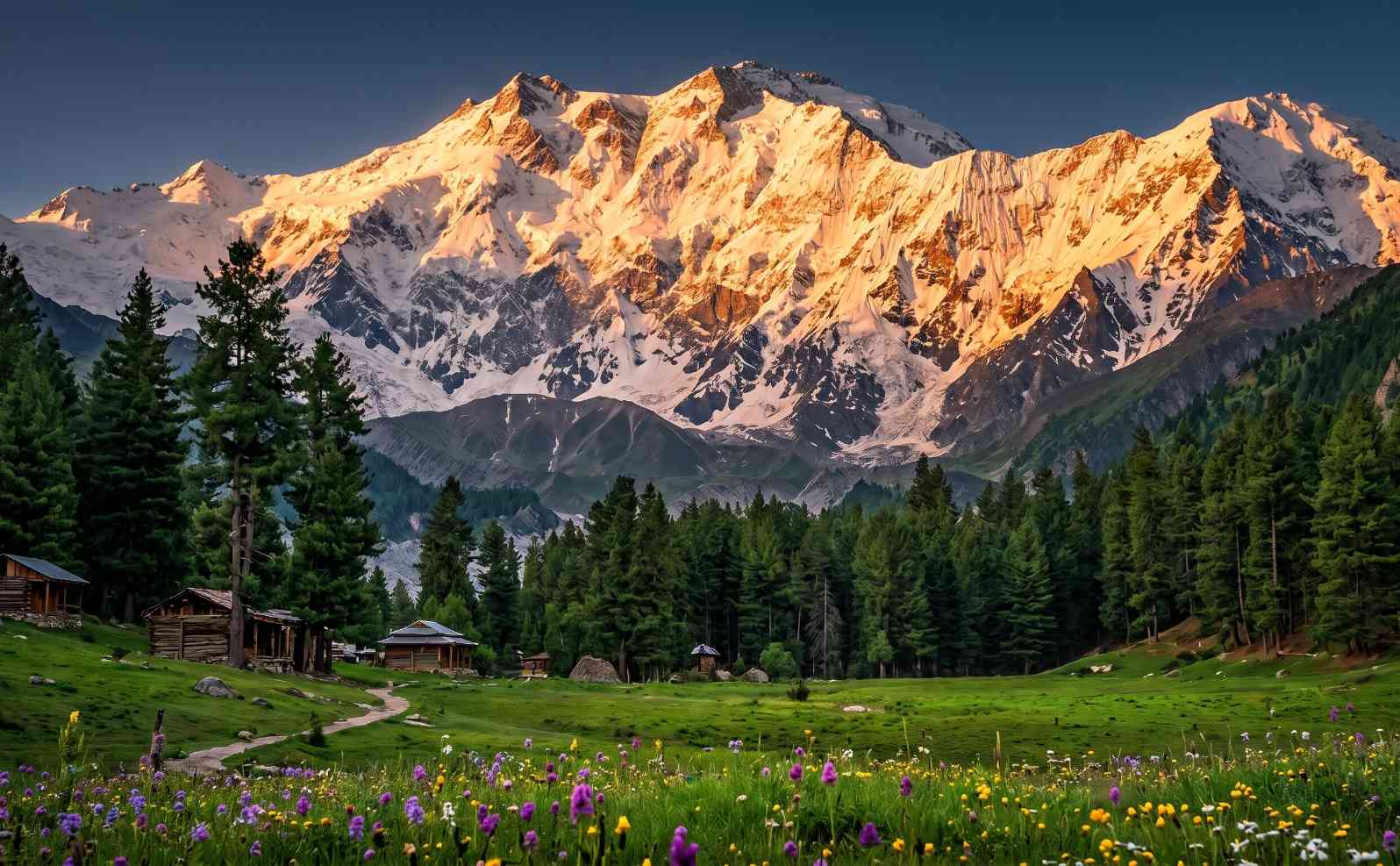
Fairy Meadows sits directly below Nanga Parbat’s north face, one of the most dramatic viewpoints in northern Pakistan
Shimshal Valley: The Most Remote Valley in Hunza
Shimshal is the largest and most isolated valley in Gilgit-Baltistan. Before a rough jeep track was completed in 2003, reaching it required a three-day walk along a cliff-hugging path above the Hunza River. Even today, the road is one of the most dramatic drives in Pakistan. The valley itself opens into a wide, high-altitude world of pastures, rock formations, and glaciers that feels entirely separate from the rest of the country.
The Wakhi community of Shimshal has maintained traditional seasonal migrations for centuries, moving their yak herds to summer pastures at 4,700 metres each year. The scale of the valley, the quality of the silence, and the sense of genuine remoteness are unlike anything found on more travelled routes. For serious trekkers, the high passes from Shimshal connect to Snow Lake, among the most demanding wilderness routes in the world. Crossroads Adventure’s Shimshal Valley and high passes expedition is guided by a team with deep roots in the valley itself.
Naltar Valley: Hidden Colour in Gilgit District
Naltar Valley lies 47 kilometres south of the Karakoram Highway in Gilgit district and remains one of the least crowded beautiful places in northern Pakistan despite being relatively accessible. The valley is famous for a series of lakes that display several different colours simultaneously, from deep blue to turquoise to green, depending on the season and the angle of light. The surrounding pine forests, high mountain ridges, and the backdrop of sharp peaks above the treeline give Naltar a visual richness that rewards slower, more exploratory visits.
Rush Lake and Nagar Valley: The Untouched Side of Hunza
Nagar Valley lies directly across the Hunza River from Karimabad and receives a fraction of the visitors despite holding landscapes of equal beauty. The upper valley is home to Rush Lake at 4,694 metres, one of the highest accessible lakes in Pakistan and among the highest in the world, reached by a demanding but technically straightforward multi-day trek through Nagar villages, terraced fields, and high-altitude terrain. The views from above the lake, taking in Rakaposhi and deep into the Karakoram, are among the finest available to trekkers anywhere in this range. Crossroads Adventure’s Rush Lake trekking expedition departs from Nagar and includes full guide support throughout.
Chitral and the Hindu Kush: Pakistan’s Most Culturally Distinct Landscape
Chitral sits in the shadow of Tirich Mir (7,708m), the highest peak in the Hindu Kush range, in the northwestern corner of Khyber Pakhtunkhwa. The landscapes here are different in character from the Karakoram. The lower valleys are greener and more forested, the cultural atmosphere feels ancient, and the traditions of the Chitrali and Kalash people give the region a human depth that goes far beyond scenery alone.
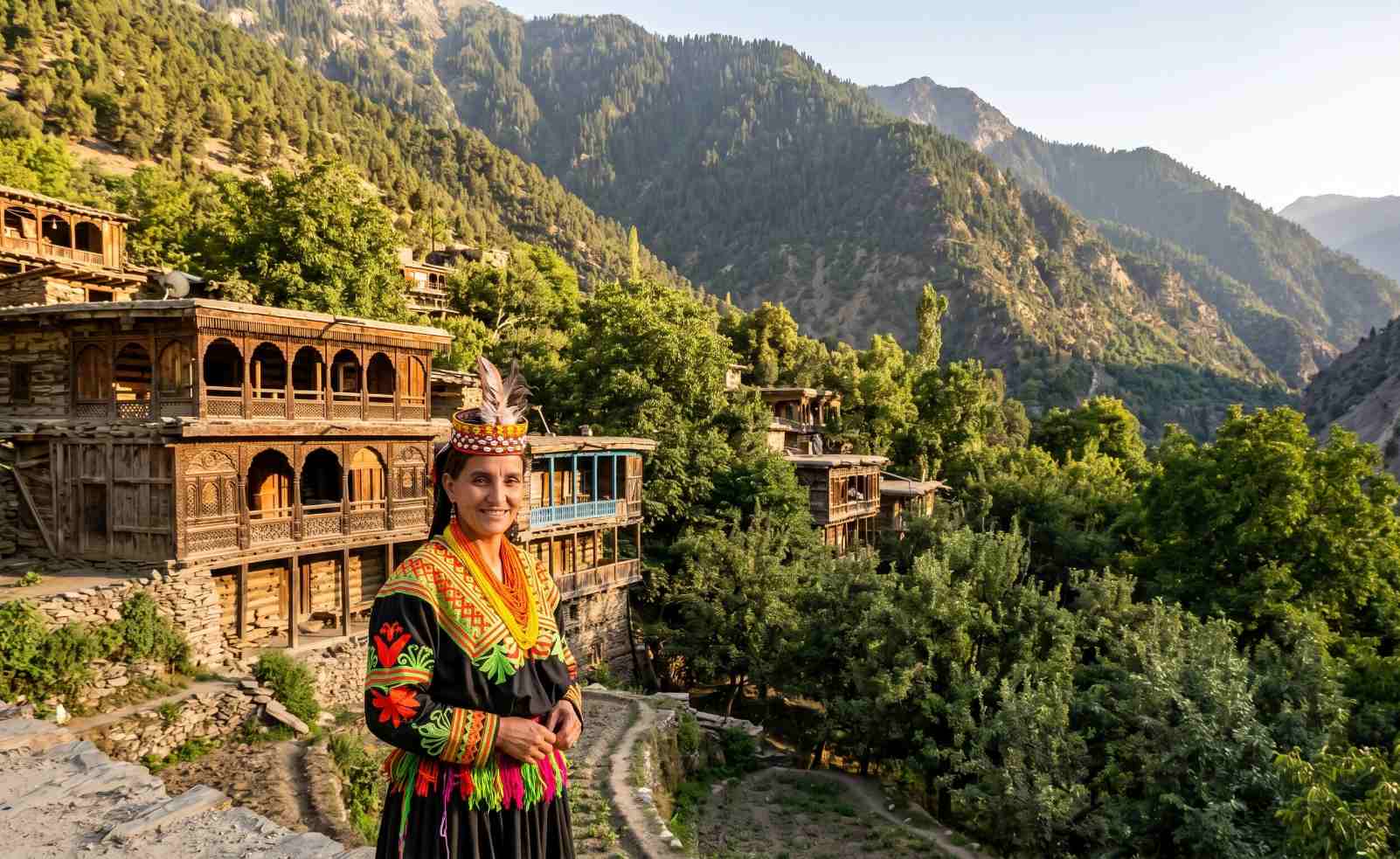
The Kalash Valleys of Chitral are home to one of Pakistan’s most distinct and ancient living cultures
The Kalash Valleys
The three Kalash valleys of Bumburet, Rumbur, and Birir are among the most culturally extraordinary places in Pakistan. The Kalash people maintain a pre-Islamic belief system, a unique language, and a tradition of distinctive festivals, music, and carved wooden architecture that has no equivalent elsewhere in South Asia. The Chilam Joshi spring festival draws visitors from across the world. Crossroads Adventure’s Chilam Joshi festival experience offers an immersive and respectful encounter with this remarkable culture.
Tirich Mir and the Upper Chitral Valleys
The trekking approaches to Tirich Mir pass through side valleys that few international visitors ever reach. The lower sections are green and forested. Higher up, the trails emerge into wide moraines and glacial terrain with sweeping views of the massif above. Crossroads Adventure runs a Tirich Mir trekking expedition from Chitral that combines mountain access with genuine cultural depth.
The Karakoram Highway: One of the World’s Great Road Journeys
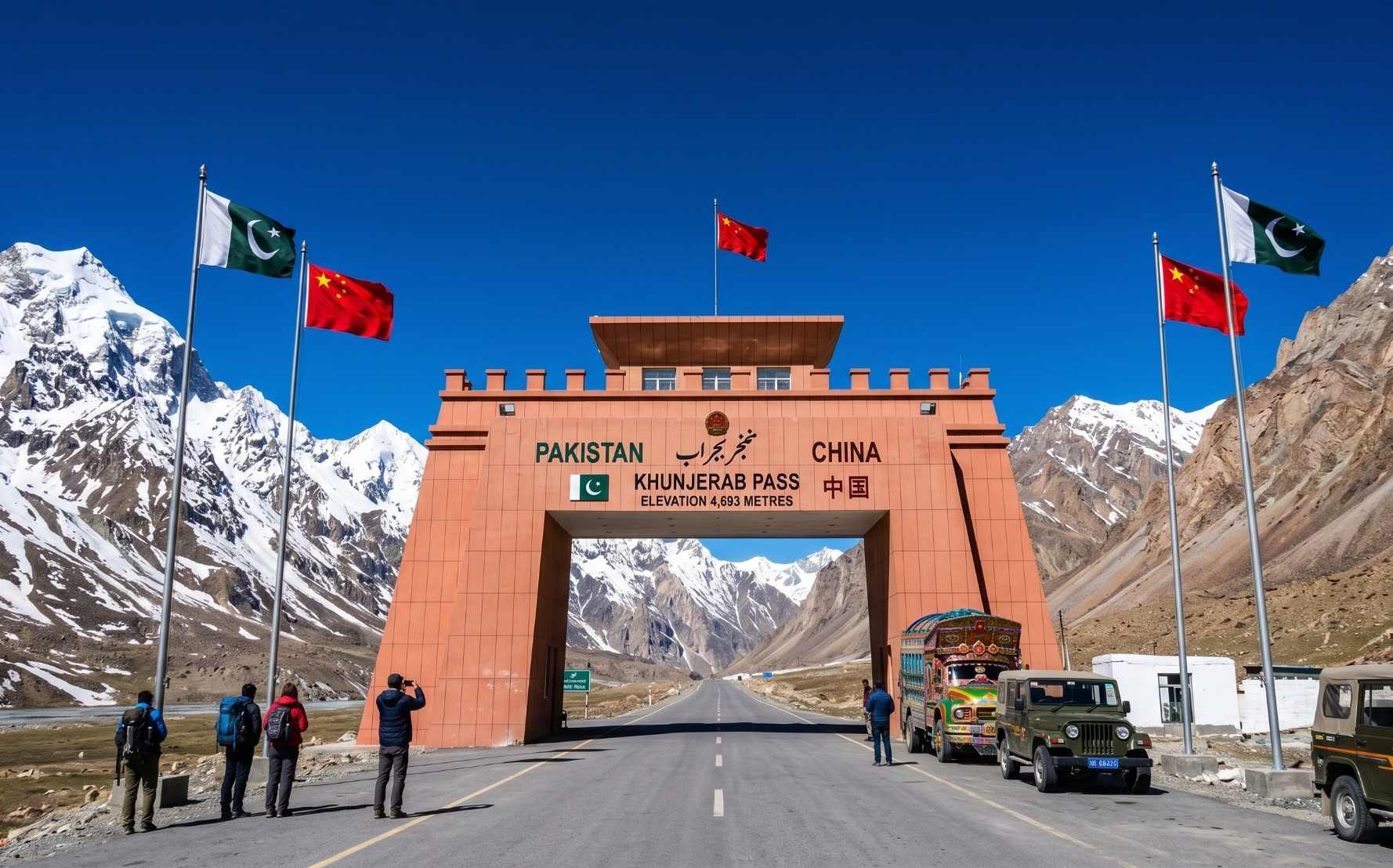
The Karakoram Highway itself is a beautiful place. Running from Islamabad through Abbottabad, Besham, and Chilas to Gilgit, then onward through Hunza to the Khunjerab Pass at 4,733 metres on the Chinese border, it is one of the most spectacular road journeys on Earth. Every section from Chilas northward offers mountain scenery of extraordinary intensity. The Hunza gorge, where the highway cuts through a narrow canyon flanked by walls rising 5,000 metres, is one of those places that makes you grip the window frame and stare in disbelief.
The Khunjerab Pass, at the top of the highway, is the highest paved international border crossing in the world. The journey from Passu to Khunjerab passes through landscapes that feel more like the surface of another planet than a road on Earth.
A note from the Crossroads team: The beauty of northern Pakistan is not only in the large, famous viewpoints. It is in the small things that reveal themselves slowly. The way the light changes on Rakaposhi at five in the morning. A Wakhi family serving tea at 4,500 metres. The silence of Deosai at dusk when the last visitors have gone and you can hear nothing but wind across the plateau. These details are what you bring home from Pakistan, and they are what no photograph can hold.
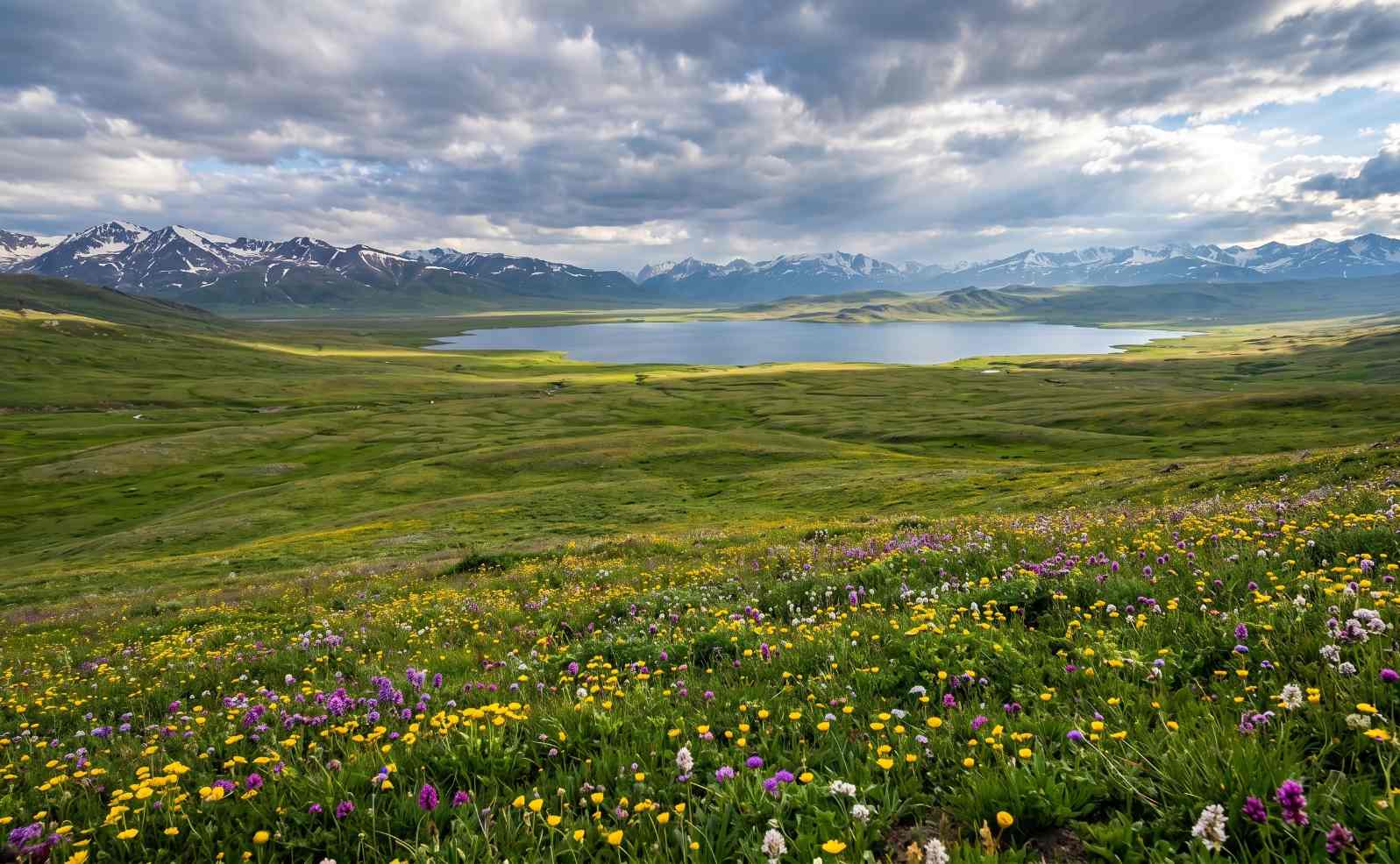
Deosai National Park, one of the highest plateaus in the world and home to the Himalayan brown bear
Pakistan’s Beautiful Places Beyond the North
Pakistan’s beauty does not begin and end in Gilgit-Baltistan. The country stretches from high glaciers all the way down to the Arabian Sea, and the landscapes, architecture, and cultures along that journey are extraordinary in their own right. These three places from Pakistan’s south and west deserve a place on any honest guide to the country’s most beautiful destinations.
Lahore: The Mughal City of Punjab
Lahore is one of the great cities of South Asia and holds more architectural beauty per square kilometre than almost anywhere in Pakistan. The Lahore Fort, a vast Mughal complex begun under Emperor Akbar in the sixteenth century and expanded by Jahangir, Shah Jahan, and Aurangzeb across the following hundred years, contains palaces, pavilions, and gardens of staggering craftsmanship. Directly beside it stands the Badshahi Mosque, commissioned by Emperor Aurangzeb in 1673 and one of the largest mosques in the world, its red sandstone and white marble gleaming at sunset across the open courtyard.
The Shalimar Gardens, a UNESCO World Heritage Site laid out by Shah Jahan in 1641, represent the pinnacle of Mughal garden design, three terraced levels of flowing water channels, fountains, and shade trees arranged with precise geometric elegance. The old walled city of Lahore adds yet another layer: covered bazaars, Sufi shrines, havelis with painted facades, and the Delhi Gate standing at the entrance to streets that have barely changed in three hundred years. Lahore is not a supplement to a Pakistan trip. It is a destination in its own right. Crossroads Adventure’s Mughal heritage trail includes the finest of these sites with full cultural context.
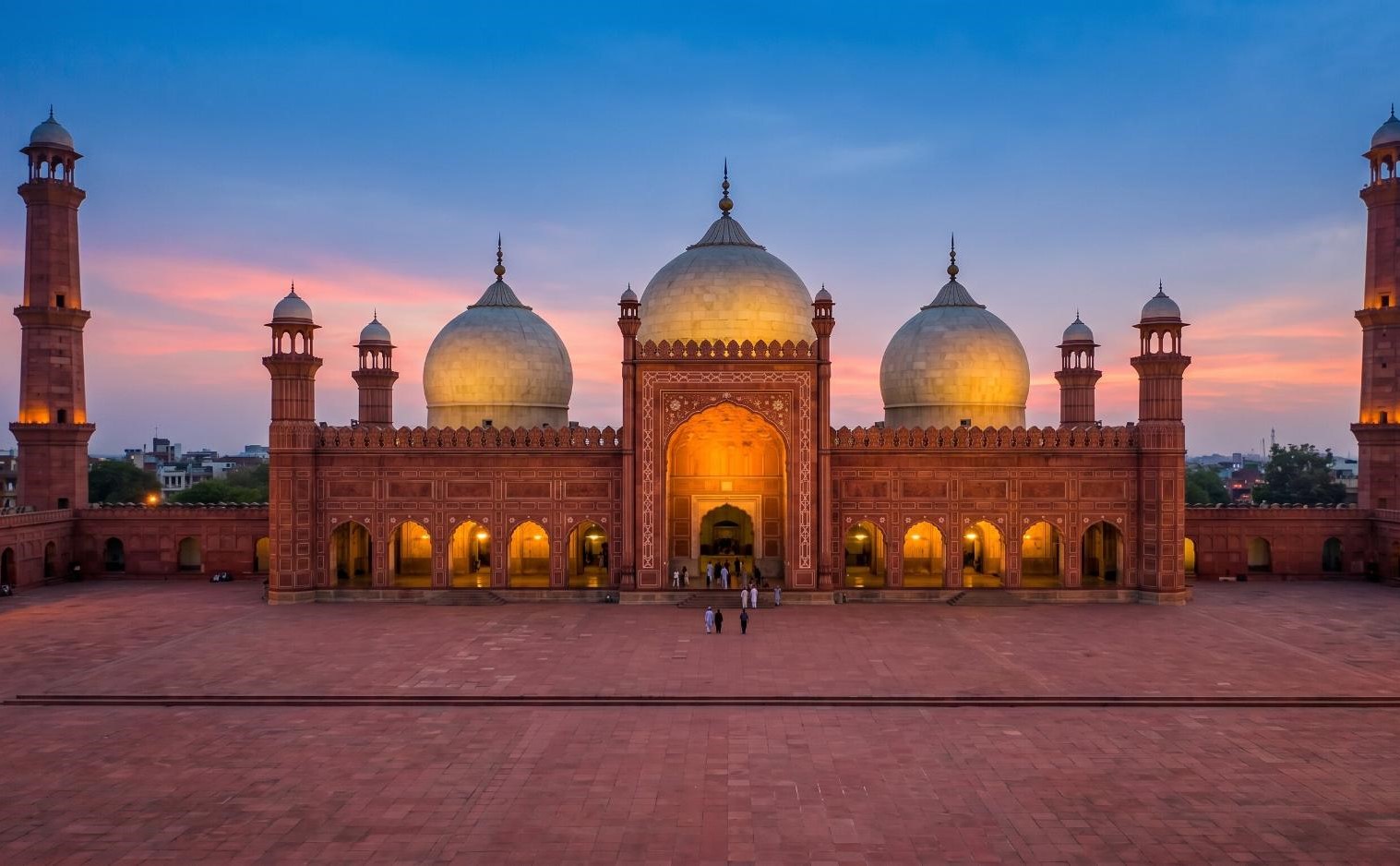
Badshahi Mosque, Lahore, built in 1673 under Emperor Aurangzeb and one of the largest mosques in the world
Makran Coastal Highway and Hingol National Park, Balochistan
Pakistan has over 1,000 kilometres of coastline along the Arabian Sea, and the Makran coast in Balochistan is its most dramatically wild section. The Makran Coastal Highway runs from Karachi westward toward the Iranian border through a landscape of golden cliffs, wind-carved rock formations, secret beaches, and open sea that feels entirely removed from any other part of the country. Hingol National Park, at 6,100-6,200 square kilometres, is Pakistan’s largest national park and protects a stretch of this coastline along with its extraordinary geological formations.
Within Hingol, the Sphinx of Balochistan is a natural rock formation weathered by wind and rain into a shape eerily similar to the Egyptian original. The Princess of Hope, another wind-sculpted rock figure, stands above a beach looking out to sea. Buzi Pass, the high point on the coastal highway, offers views across a landscape of deep gorges, eroded badlands, and the distant ocean. Mud volcanoes bubble quietly in the flatlands nearby. This is the Pakistan that almost nobody talks about, which is precisely what makes it compelling.
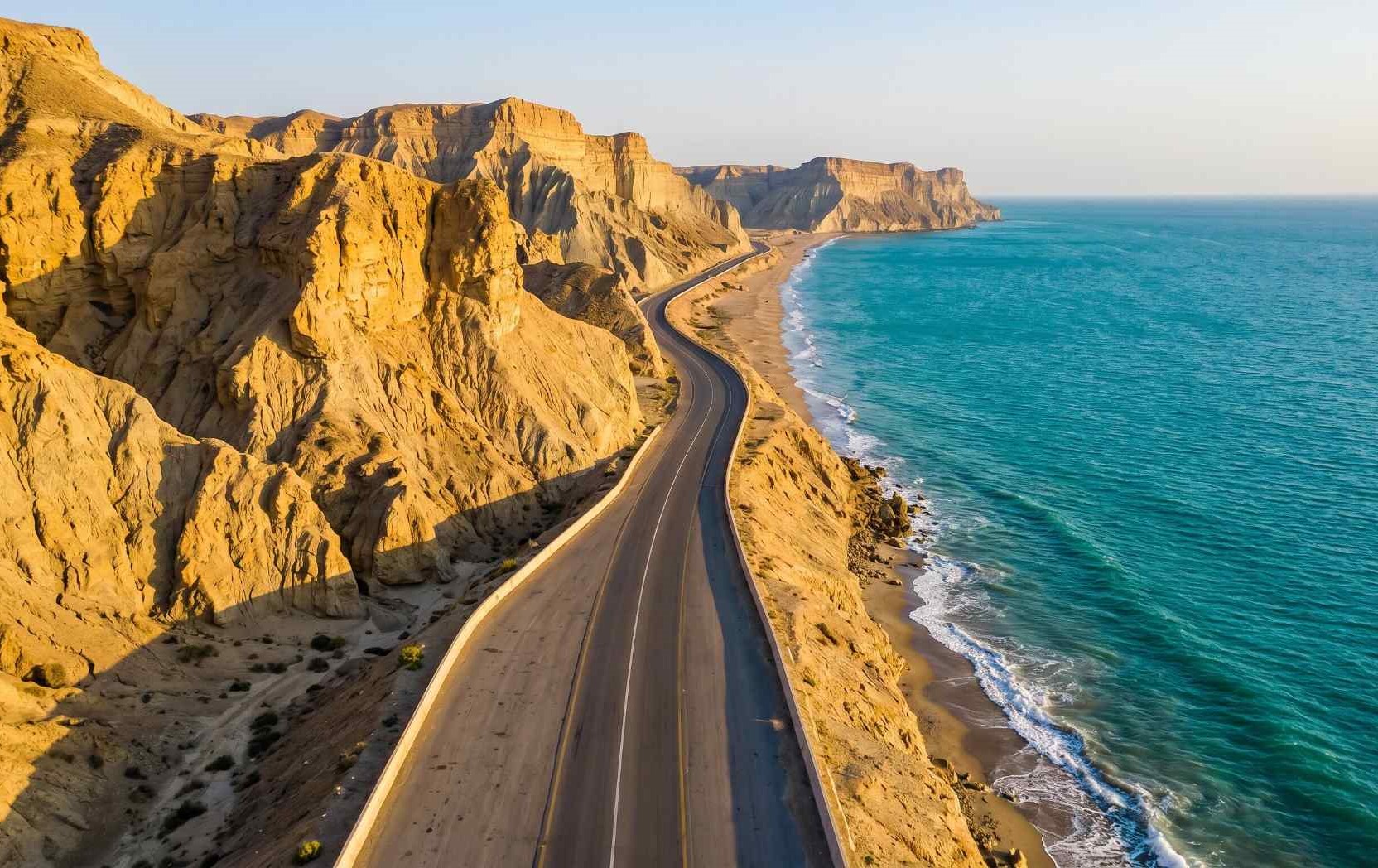
The Makran Coastal Highway, Balochistan, one of the most dramatic and least-visited coastlines in South Asia
Thar Desert, Sindh
The Thar Desert stretches across southeastern Sindh into the Indian state of Rajasthan, and the Pakistani portion holds a beauty that is completely unlike anything in the country’s north or centre. The landscape is one of sweeping golden dunes, ancient Hindu temples, medieval forts, and small settlements whose traditions of music, embroidery, and camel herding go back centuries. This is not a barren, lifeless desert. The Thar is one of the most densely populated deserts in the world, and its communities are among the most culturally rich in all of Sindh.
Umarkot, a town near the Indian border, is home to a fort where the Mughal Emperor Akbar was born in 1542, a reminder of how deeply this seemingly remote landscape is woven into the subcontinent’s history. The Nagarparkar area in the far southeast, surrounded by the Karunjhar Hills, contains ancient Jain temples carved from granite that are among the most surprising archaeological sites in Pakistan. At sunrise and sunset, when the sand turns from gold to deep amber and the shadows of the dunes stretch long across the landscape, the Thar is as beautiful a desert as exists anywhere in the world.
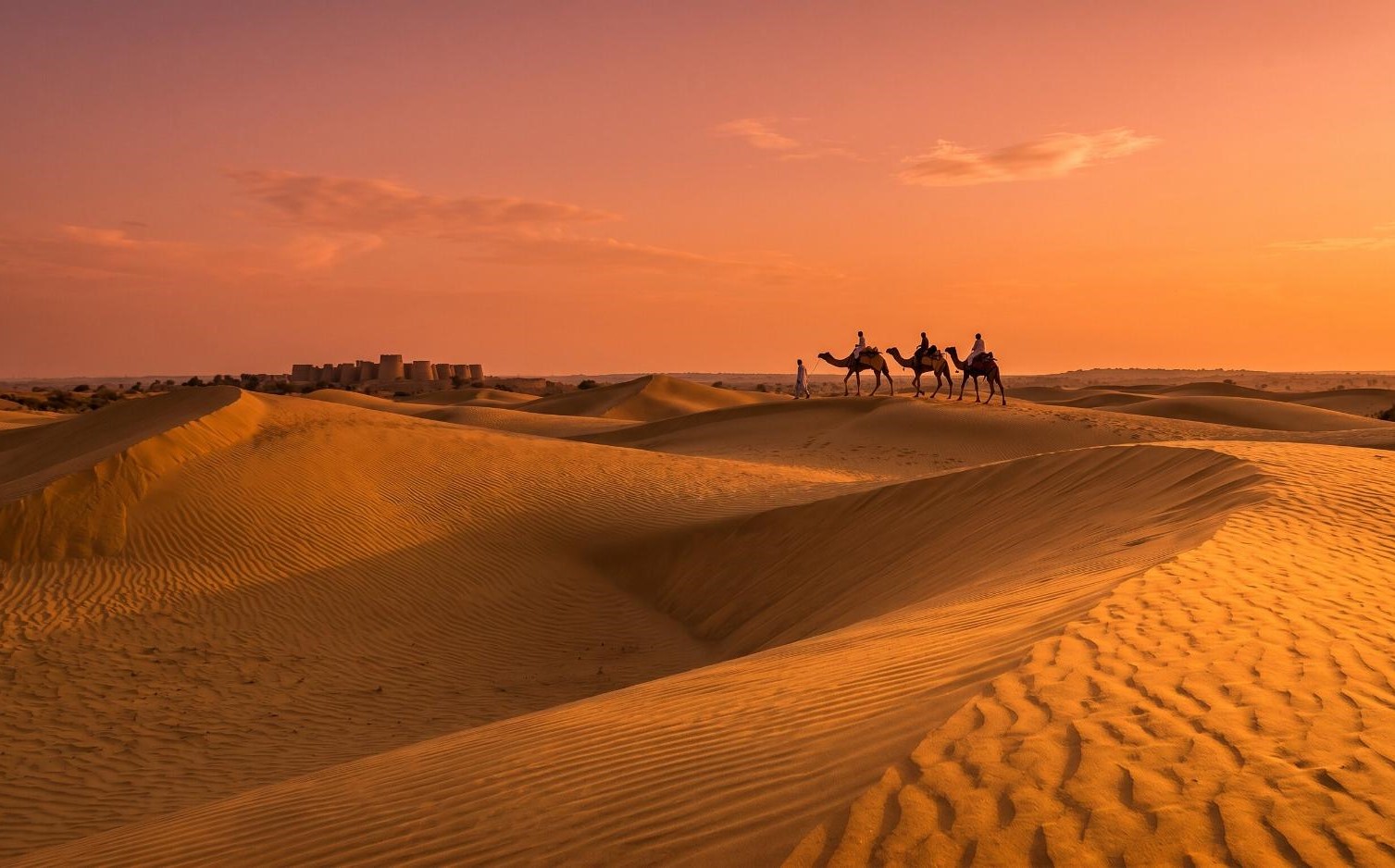
The Thar Desert, Sindh, at sunset, one of the world’s most beautifully inhabited desert landscapes
How to Experience These Places Well
The most important thing you can do when planning a trip to northern Pakistan is to travel with people who actually know the land. The distances are enormous, the terrain changes constantly, and the logistical complexity of moving between the Karakoram, Baltistan, Chitral, and Azad Kashmir in a single trip requires genuine expertise. Getting it wrong means missed connections, wrong seasons, or arriving in a valley that is inaccessible because of a closed pass or a washed-out road.
Crossroads Adventure was founded in Upper Hunza by someone who grew up in these mountains. The team has guides with decades of experience in specific ranges and valleys, and every itinerary is built around deep local knowledge. Whether you want a high-altitude alpine expedition, a cultural journey through Hunza and Chitral, or a seasonal experience timed to the cherry blossoms or the autumn colour, the right itinerary exists. Explore the full range of Pakistan expeditions and experiences to find the journey that matches what you are looking for.
Frequently Asked Questions
What is the most beautiful place in Pakistan?
Hunza Valley in Gilgit-Baltistan is most frequently cited as the most beautiful place in Pakistan. The combination of turquoise Attabad Lake, Rakaposhi and Ultar Sar rising above Karimabad, the Silk Road culture of the valley, and its dramatic seasonal transformations from cherry blossom to autumn gold make it extraordinary at almost any time of year. That said, Fairy Meadows beneath Nanga Parbat, the Deosai plateau, and Concordia on the Baltoro Glacier all make credible claims depending on what kind of beauty you are seeking.
Is northern Pakistan safe for international visitors?
Northern Pakistan, specifically Gilgit-Baltistan, Hunza, Skardu, and Chitral, has an excellent safety record for tourism. These regions are distinct from the areas referenced in historical travel advisories, which focused on different parts of the country. International travellers, embassies, and UN organisations regularly visit and travel through Gilgit-Baltistan. Local communities throughout the north are known for their exceptional hospitality, and travelling with a registered, professional operator further ensures a smooth and safe experience.
What is the best time to visit the beautiful places in northern Pakistan?
June through September is the primary season for high-altitude routes and mountain access, with July being optimal for routes like K2 Base Camp. April in Hunza is world-famous for cherry and apricot blossoms. September offers quieter trails, exceptional clarity of light, and the beginning of autumn colour. October is spectacular for valley colour in Hunza, with poplars and apricots turning gold and amber. Each season offers something genuinely distinct, and the right time depends entirely on what you want to see and do.
Can I visit these places without trekking experience?
Many of northern Pakistan’s most beautiful places are accessible without any trekking experience at all. Attabad Lake, Karimabad, Baltit Fort, Skardu, Shangrila Lake, the Kalash Valleys, and the Khunjerab Pass are all reachable by road. Fairy Meadows requires only a short two-hour walk. Deosai requires a good jeep rather than hiking fitness. For the more remote valleys and high lakes, moderate fitness helps but technical mountaineering experience is not required on most routes.
How do I get to Hunza and northern Pakistan?
Islamabad is the main international gateway. From there, domestic flights to Gilgit take around 45 minutes but are frequently weather-dependent and subject to cancellation. The overland route via the Karakoram Highway takes 16 to 20 hours and is itself one of the world’s great scenic drives. Skardu has its own airport with flights from Islamabad. A good tour operator will advise on the best approach for your specific itinerary and travel dates, and will have contingency plans for the frequent flight cancellations that affect the mountain airports.
Experience Pakistan’s Most Beautiful Places in Person
Words and photographs are a beginning. Crossroads Adventure can put you in these landscapes with the guidance, logistics, and local depth that make the difference between a trip and a genuine experience.
Start Planning Your Pakistan Journey