Pakistan’s hiking seasons are shaped by three mountain systems, the Karakoram, the western Himalayas, and the Hindu Kush, each responding slightly differently to the calendar. Unlike Nepal, where the pre-monsoon spring and post-monsoon autumn dominate the trekking calendar, Pakistan sits far enough northwest that the Indian monsoon weakens considerably before reaching the Karakoram. This gives the northern ranges a summer-centred season that runs from late May to early October.
If you are planning a supported expedition with professional guides, choosing the right season is as important as choosing the right route. Crossroads Adventure runs guided alpine treks across Pakistan’s northern ranges throughout the main trekking season, and can advise on optimal timing for specific routes.
Pakistan’s Hiking Seasons at a Glance
Peak season Shoulder season Off season (high altitude)
High passes open, glaciers accessible, stable weather windows. The optimal season for K2 Base Camp, Shimshal, and all major Karakoram routes.
Peak domestic tourism in July. Book early for guided expeditions.
September is widely regarded as a sweet spot: fewer crowds, stable skies, and the first hints of autumn colour in the valleys. October is spectacular in Hunza but high passes begin to close.
The Hunza cherry blossom season peaks in mid-April, one of the most celebrated natural spectacles in Pakistan. High-altitude routes are still snow-covered, but lower valleys and moderate treks are opening by May.
Most northern routes are inaccessible. Winter travel is better focused on Pakistan’s southern cities, including Lahore, Islamabad, and the cultural sites of Sindh and Punjab.
Summer (June to August): The Peak Trekking Season
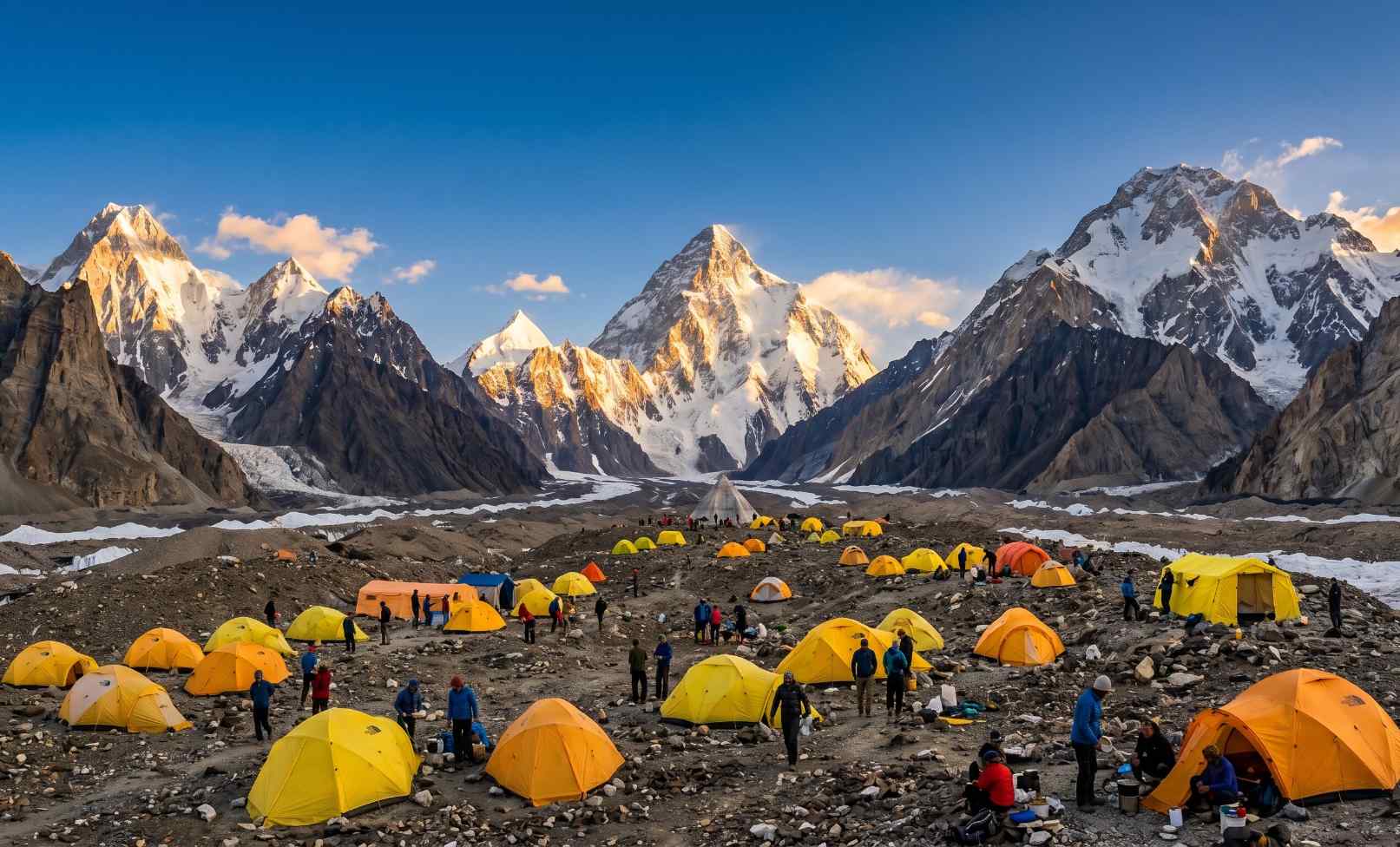
Summer is the undisputed peak season for hiking in Pakistan’s northern mountains. The snowmelt opens the high passes, the Karakoram Highway is fully operational, and domestic flights to Gilgit and Skardu are on schedule but in peak season often delayed even. All of the country’s most demanding and iconic routes, including the K2 Base Camp trek via the Baltoro Glacier, Shimshal Valley, and the Rush Lake ascent in Nagar, become fully accessible during this window.
Within summer, July is widely considered the single best month for high-altitude routes. The snow has retreated from the major passes, temperatures at base camp elevations are manageable, and the weather patterns are at their most reliable. K2 Base Camp trekkers are typically advised to time their Concordia arrival for late July. Crossroads Adventure’s K2 Base Camp expedition is scheduled to take advantage of precisely this window.
One important distinction: the Karakoram sits far enough northwest that the Indian monsoon, which renders trekking in Nepal’s Himalayas difficult from June to September, arrives in a substantially weakened state. Rainfall does increase in August, and there is risk of flash flooding in lower valley roads, but the high mountains themselves remain far more stable than comparable elevations in Nepal or northern India during the same months.
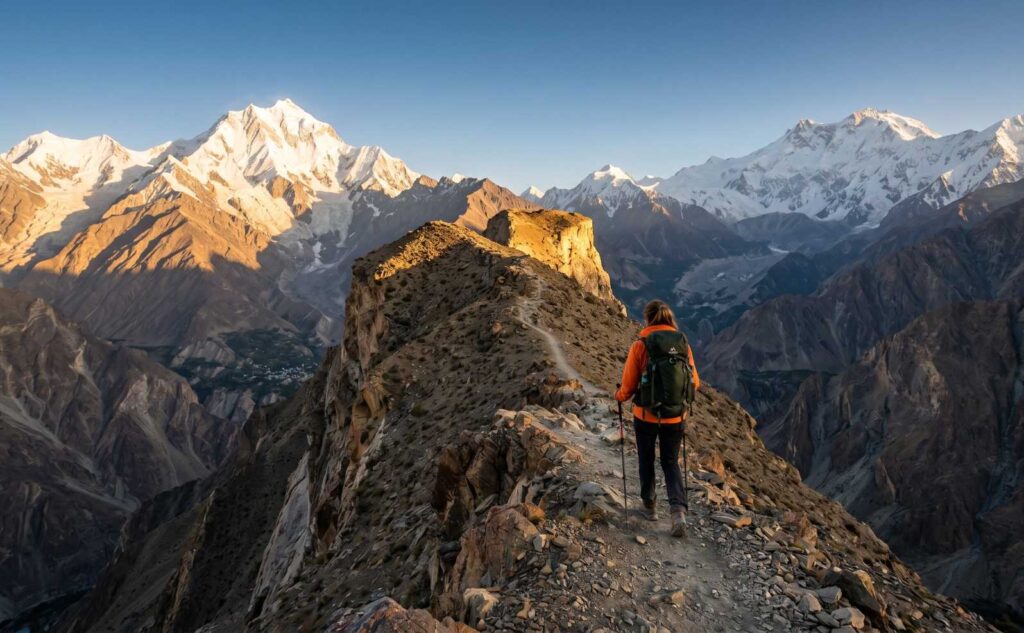
June is excellent for trekking and sees fewer domestic tourists than July. The landscape is intensely green from lingering snowmelt, wildflowers are out across alpine meadows, and river crossings are manageable. For routes like the Patundas Ridge in Gojal, June and early July are among the most visually rewarding months of the year.
September: The Insider’s Choice
September deserves its own section because it sits in a category of its own. Pakistani schools reopen in September, which causes a sharp drop in domestic tourist numbers throughout the northern valleys. Combined with stabilising post-summer weather, slightly cooler temperatures, and the first flush of autumn colour beginning to appear in the lower valleys, September delivers an experience that many experienced trekkers regard as the finest month of the year.
The high passes are still open. Most mountain routes remain fully accessible until mid-September, with the very highest closing toward the end of the month depending on early snowfall. What changes is the atmosphere: trails are quieter, guesthouses more available, and the quality of light in the evenings is extraordinary.
For travellers who want the Hunza or Gilgit-Baltistan experience without the peak-season competition for accommodation and guides, booking a September expedition is a strong strategic choice. Crossroads Adventure can build September itineraries across all their alpine trekking routes, and local guides in Gojal and Nagar regard late September as among the most beautiful periods of the mountain year.
Autumn (October): Valley Colour and Lower Routes
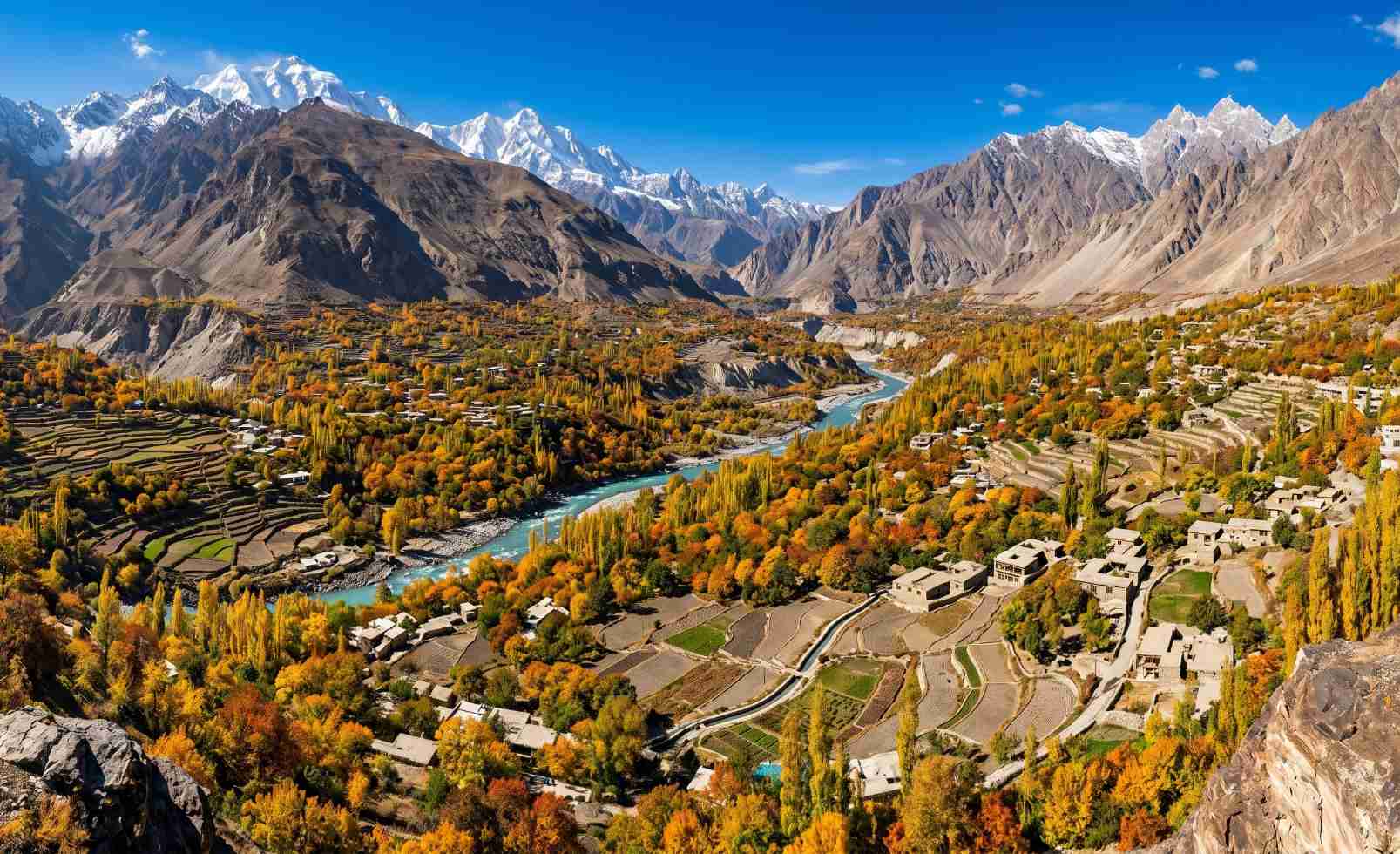
By October, the highest passes are closing, but the lower valleys enter their most spectacular visual phase. Hunza Valley in October is covered in gold, amber, and deep red as poplars, apricots, and willows turn. The air is sharp and clear, views are exceptional, and accommodation is readily available with no advance scramble.
October is ideal for scenic valley exploration, cultural immersion in Hunza and Gilgit, photography, and moderate lower-elevation walks. For travellers combining trekking with cultural experiences, an October visit pairs beautifully with Crossroads Adventure’s Hunza and Ghizer autumn expedition or the Skardu to Hunza autumn experience, both of which are designed specifically around this season.
Lower routes like the Passu Glacier walk, Borith Lake, and the Attabad Lake circuit remain fully walkable in October. What closes are the multi-day high-altitude treks requiring glacial crossings or nights above 4,000 metres.
Spring (April to May): Blossoms and the Opening of the Season
Spring in Hunza is one of Pakistan’s most celebrated natural events. Cherry, apricot, and peach trees bloom across the valley in mid-April, transforming the terraced fields below Altit and Baltit forts into a soft cascade of white and pink. Crossroads Adventure’s Hunza cherry blossom expedition is timed specifically around this window and books up well in advance.
For trekking purposes, April is still early. Snow covers most routes above 3,500 metres and high passes remain closed. However, lower valley walks, cultural explorations, and the approach trails to villages in Nagar, Gojal, and the Hunza Valley are fully walkable and visually stunning.
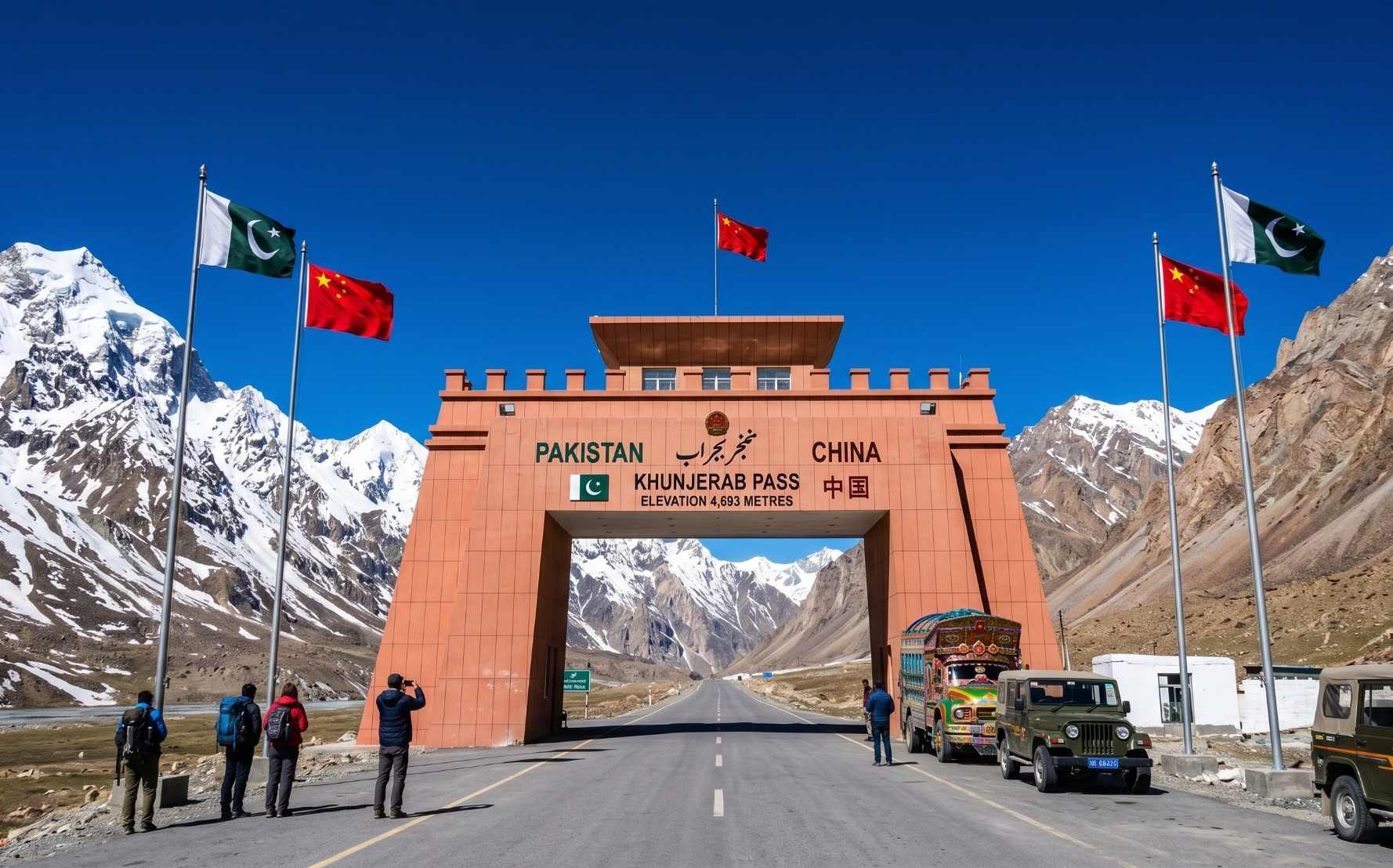
By May, the season genuinely opens. Most motorable roads are accessible again, including the Babusar Pass (connecting Naran to Chilas), the Shandur Pass toward Chitral, and the Khunjerab Pass to the Chinese border. Moderate treks like the Fairy Meadows approach become fully viable in May, and the mountains are covered in late-season snow that makes for dramatic photography. July-level fitness is not required in May for many routes, and trail congestion is virtually non-existent.
Region-by-Region Season Guide
Pakistan’s diverse geography means that the best hiking season varies depending on which region you are targeting. Here is a breakdown of the key trekking regions and their optimal windows:
| Region | Peak Trekking Season | Shoulder Season | Notes |
|---|---|---|---|
| Karakoram / Baltoro (K2, Concordia, Snow Lake) |
Late June to mid-September | Mid-June, late September | July is optimal for K2 Base Camp. Permit required. |
| Hunza Valley (Patundas, Rush Lake, Passu) |
June to October | May, late October | April is blossom season but high routes remain closed. |
| Nanga Parbat / Fairy Meadows | May to September | Late April, October | One of the earliest routes to open each year. |
| Shimshal Valley | June to August | Late May, September | Very remote. Full expedition support essential. |
| Deosai Plateau | June to September | May, late September | Road from Skardu opens in late May most years. |
| Chitral / Hindu Kush | May to September | April, October | Lower altitudes allow earlier season opening. |
| Azad Kashmir (Ratti Gali, Neelum Valley) |
July to September | June, early October | More monsoon influence than the Karakoram. Plan accordingly. |
What Affects Your Timing Beyond the Season
Pakistani School Holidays and Domestic Tourism
Pakistani school summer holidays run roughly from late June to late August, driving significant domestic tourism into the northern valleys during this period. Hotels in Hunza, Skardu, and along the Karakoram Highway fill quickly in July and August, and prices rise accordingly. If budget and availability are factors, June and September offer the same quality of experience with considerably less competition for beds and guides.
Ramzan (Ramadan)
Ramzan shifts annually with the Islamic lunar calendar. During the fasting month, many restaurants in towns close from dawn to dusk. This has minimal impact on supported trekking expeditions where meals are handled by guides and camp cooks, but matters for independent travel through towns and cities. Your operator can advise on the specific dates for your travel year.
Flight Availability to Gilgit and Skardu
Domestic flights to Gilgit and Skardu from Islamabad are weather-dependent and frequently cancelled, especially in shoulder seasons when cloud coverage is less predictable. Build a buffer of at least two days around these flights when planning connections to international departures. Overland via the Karakoram Highway takes 16 to 24 hours but is reliable in all but the worst weather.
Permit Processing Times
Restricted Zone permits for K2 and the Baltoro Glacier, along with NOC (No Objection Certificate) paperwork for other regulated trekking areas, take time to process and in some cases are quota-limited. Applying through a registered operator like Crossroads Adventure well ahead of your travel dates is essential, particularly for July departures when demand for permits is highest.
Local insight from the Crossroads team: Our guides, many of whom were raised in Upper Hunza and Gojal, regard late June and the first three weeks of September as the finest hiking conditions of the year. The light is extraordinary, trails are uncrowded, and the mountains feel entirely your own. If your schedule allows any flexibility, lean toward these windows.
Which Season Matches Your Trek?
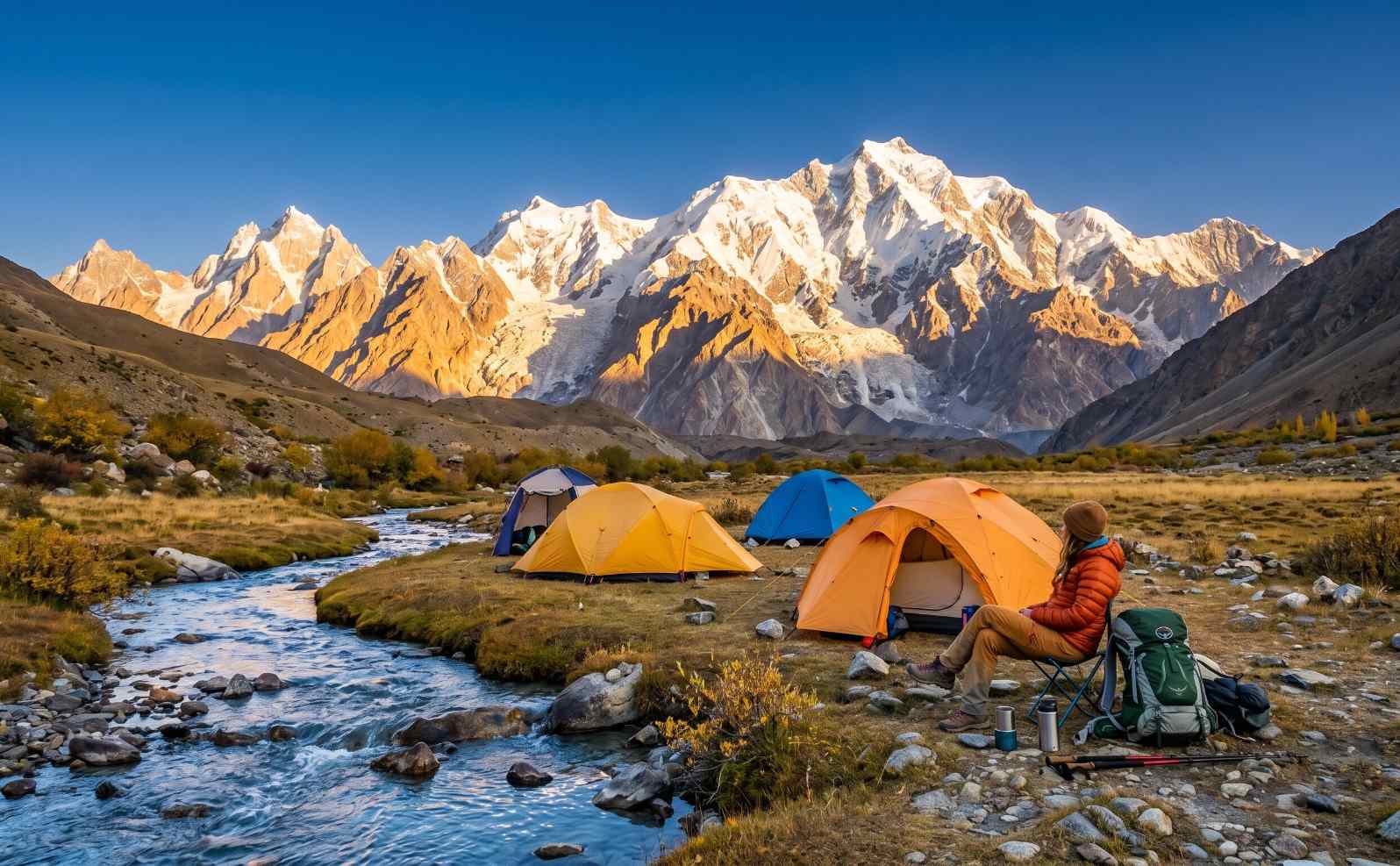
Different routes have different ideal seasons, and aligning your chosen trail with its optimal window makes a meaningful difference to the experience. Below is a practical guide to matching the season to the route:
For K2 Base Camp and the Baltoro Glacier: July is the single best month. Mid-June to mid-September covers the full viable window, but July gives you the greatest likelihood of clear days at Concordia and at Base Camp itself.
For Nanga Parbat and Fairy Meadows: May through September. This route opens earlier than most and offers good conditions across a long window. The meadows are at their greenest and most photogenic in June and July.
For Rush Lake in Nagar: June to September, with July and August giving the best trail conditions underfoot and the warmest overnight temperatures at altitude.
For Shimshal Valley and High Passes: June to August only. This is a serious high-altitude route with glacial crossings and nights above 4,500 metres. Do not attempt it in shoulder season without verified local guide knowledge of current conditions.
For Hunza Valley walks, autumn colour, and the cherry blossom experience: October for colour, mid-April for blossoms. Both are extraordinary and unlike anything else in the country.
For Tirich Mir and the Chitral Hindu Kush: May to September. The Hindu Kush generally allows a slightly earlier start to the season than the Karakoram, and Chitral is beautiful in late spring before the main summer crowds arrive.
To explore the full range of guided experiences available across these seasons, browse Crossroads Adventure’s complete Pakistan expedition calendar.
Frequently Asked Questions
What is the single best month to go trekking in Pakistan?
July is the most consistently recommended month for high-altitude trekking, particularly for routes like K2 Base Camp. The passes are fully open, weather is at its most stable, and the days are long. September is the preferred choice for travellers who want quieter trails and exceptional autumn light without sacrificing mountain access.
Can you trek in Pakistan in May?
Yes, from mid-May onward for most moderate routes. Fairy Meadows, lower Hunza valley walks, and trails in Chitral are accessible in May. The very high passes and glacial routes (K2 Base Camp, Shimshal, Rush Lake) are typically not fully safe until June. May is also the best time to visit if you want the mountains with almost no other tourists around.
Does Pakistan have a monsoon season that affects trekking?
The Indian monsoon does affect parts of Pakistan, particularly Azad Kashmir, Kaghan, and lower KPK valleys from July to August. However, the Karakoram and the northern ranges sit in a rain shadow that significantly weakens monsoon impact. This is a key reason why Pakistan’s summer trekking season coincides with Nepal’s monsoon closure. K2 Base Camp and Hunza remain hikeable through July and August when comparable Himalayan routes in Nepal are washed out.
Is October a good time to visit Hunza for hiking?
October is excellent for Hunza specifically. The autumn foliage is spectacular, temperatures are comfortable during the day, and the skies are reliably clear. Lower elevation walks are fully accessible. What closes in October are the high-altitude routes requiring glacial crossings, most of which shut down by mid to late October depending on snowfall.
How far in advance should I book a guided trek in Pakistan?
For July and August departures on major routes like K2 Base Camp or Shimshal, booking four to six months in advance is strongly recommended. Permits for restricted zones take time to process, guide availability is limited during peak season, and good-quality camp logistics require early planning. For September departures, two to three months is generally sufficient, though earlier is always better for the more complex routes.
What is the best season to combine trekking with cultural sightseeing in Pakistan?
September and October offer the best combination of trekking access and cultural immersion. The summer rush has passed, guides are available, and the cultural sites, forts, bazaars, and village experiences of Hunza, Gilgit, and the Karakoram Highway corridor are all fully accessible. Crossroads Adventure builds itineraries that weave highland trekking with cultural depth across these months.
Plan Your Pakistan Trek for the Right Season
Timing your expedition correctly makes the difference between an ordinary trip and an extraordinary one. Tell us your preferred dates and we will build the ideal itinerary around them.
Start Planning Your Expedition