Crossroads field guides · Culture & heritage
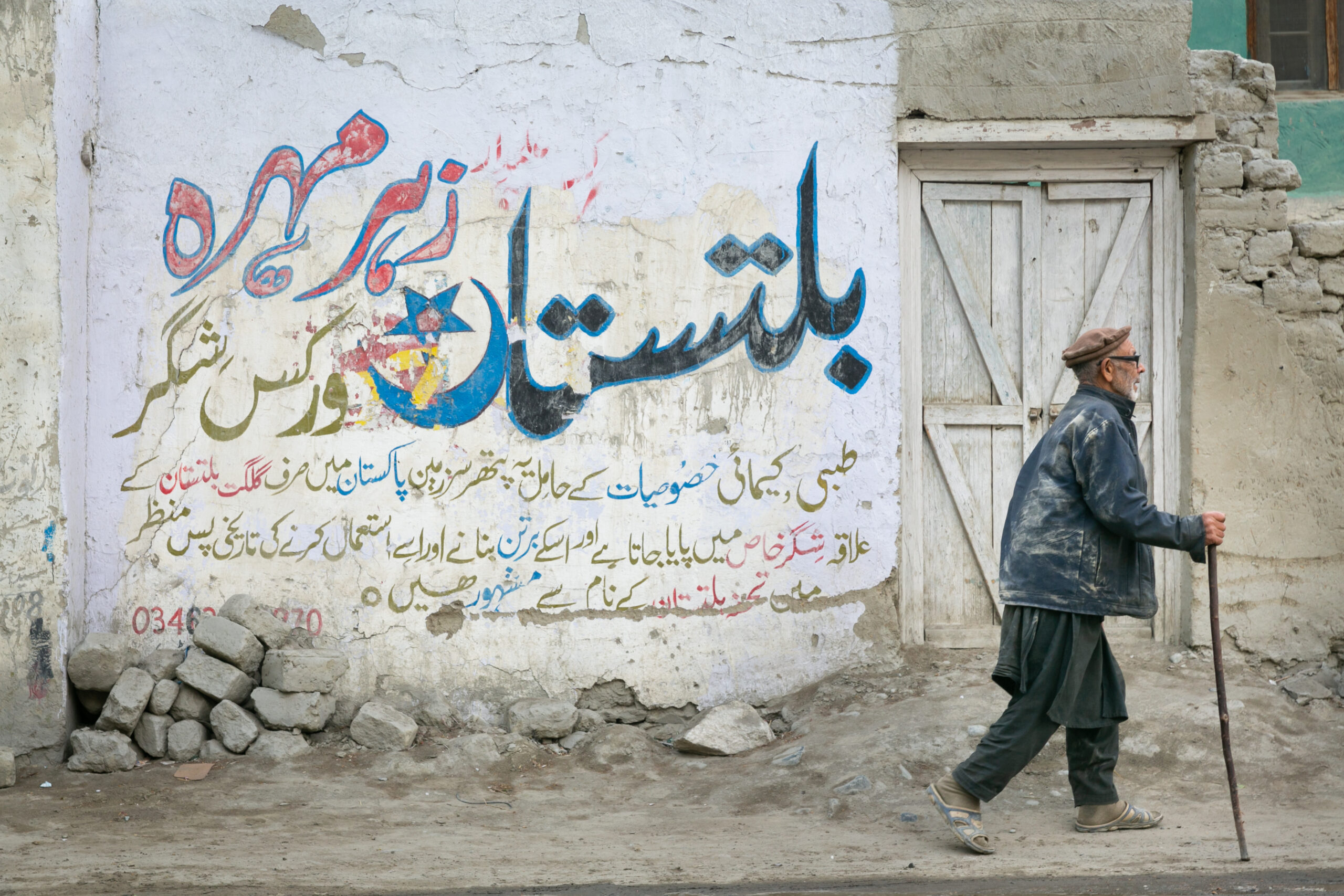
The people and cultures of Gilgit-Baltistan are as important to a northern Pakistan journey as the mountains. Shina, Burushaski, Wakhi, Balti and Khowar are among the languages encountered across the region, while villages, towns and households express their identities through work, food, faith, music, architecture and everyday relationships.
This is a guide to meeting those cultures thoughtfully. It explains the broad regional picture, suggests specific places and experiences, and provides practical guidance on hosting, photography, festivals and respectful travel. A language map is a starting point; it is not a complete description of an individual person.
Crossroads Adventure · Editorial review: 6 October 2026
One region, many cultural identities
Gilgit-Baltistan should not be presented as one uniform mountain culture. The official regional tourism department emphasises diversity in language, religion and ethnicity. A journey from Gilgit to Hunza, then into Baltistan or the western valleys, crosses places with different histories and cultural practices. The regional tourism department’s cultural introduction.
Geography helps explain why local differences matter. Communities developed around valleys, rivers, fields and routes to higher pastures. A neighbouring settlement could be close in a straight line yet difficult to reach. At the same time, migration, marriage, trade, study and employment created connections across the mountains and beyond. Both local identity and wider exchange belong in the story.
The most useful approach is to ask how people describe themselves. A resident may identify strongly with a village, language, valley, faith, profession or several of these together. Do not assume that a clothing style, surname or place of residence supplies the full answer. A thoughtful conversation is more reliable than a simplified ethnic label.
Living communities, not a preserved past
Culture includes a school day, a small business, a mobile-phone conversation and a family member working elsewhere, as well as older music and architecture. Travellers sometimes expect mountain communities to remain unchanged because the scenery feels remote. That expectation can make modern life seem like a disappointment when it is actually part of the experience.
Listen to what hosts want to share. They may discuss fruit harvests, education, changing weather, migration or the practical challenge of running a guesthouse. These topics are no less meaningful than a traditional costume or a ceremonial dance. Respectful travel allows people to choose the picture they present of their own lives.
Languages of Gilgit-Baltistan: a practical orientation
| Language | Useful regional association | What a visitor should remember |
|---|---|---|
| Shina | Gilgit and several surrounding valleys; also parts of the wider region | Do not assume every person in Gilgit has the same first language |
| Burushaski | Hunza, Nagar and communities in Yasin and elsewhere | Burusho people and the Burushaski language are related terms, not interchangeable labels for all Hunza residents |
| Wakhi | Upper Hunza/Gojal and other communities | Many familiar Upper Hunza villages have living Wakhi traditions |
| Balti | Skardu, Shigar, Khaplu and other parts of Baltistan | Baltistan is a wider cultural region, not simply Skardu town |
| Khowar | Parts of the western valleys, alongside other languages | The western region is multilingual and deserves more than a single label |
| Urdu | Widely used for communication across communities | Useful for travel, but it does not replace local languages or identities |
The official district descriptions identify Shina in Gilgit; Burushaski and Shina in Nagar; Burushaski, Shina and Wakhi in Hunza; Balti in Skardu; and several languages in Ghizer. These broad descriptions are practical orientation rather than precise language boundaries. Gilgit, Nagar, Hunza, Skardu and Ghizer.
English is used in parts of the visitor economy, but proficiency varies by individual and setting. A local guide can support a conversation without turning every exchange into a formal interview. Ask your host which language they prefer and learn a greeting from them. Pronunciation and usage can differ, so copying an unverified phrase from a generic list is less useful than asking someone who speaks it.
Why language matters to the experience
Place names, songs, stories and farming vocabulary can hold meanings that are difficult to convey in another language. Invite explanation rather than demand a literal translation of everything. A guide can clarify when a word has no simple English equivalent, or when a story is a local tradition rather than a documented historical event.
Recording a song or conversation requires consent. Ask what will be recorded, how it will be used and whether the person wants their name included. An informal welcome to speak is not automatic permission to publish someone’s voice online.
Meeting communities across the valleys
Shina-speaking communities: begin beyond the transit stop
Gilgit is often treated as somewhere to change a flight, meet a driver or stay between destinations. Spending additional time there creates opportunities to understand the regional centre and the valleys around it. A locally guided walk, meal or conversation can make the place more than an arrival point.
Ask about the relationship between town and village life. Where do families maintain ties? How do local people use the market? What changes across nearby valleys? These questions give the guide a chance to explain real connections. Avoid expecting one host to represent every Shina-speaking community.
If a village visit is arranged, make the activity specific. It could be a walk through a permitted part of the settlement, a food experience with a host, or a discussion with someone working in a local craft. The value comes from suitable introductions and time to listen, rather than simply driving through and calling it cultural immersion.
Burusho communities: Hunza and Nagar deserve distinction
Burushaski is recognised in linguistic research as a language isolate, meaning that a generally accepted relationship to an established language family has not been demonstrated. This describes the language’s classification, not the isolation of its speakers from other people. It is not evidence for speculative claims about a community’s ancestry. Research on the geography of language isolates.
In Central Hunza, visits around Karimabad, Altit and Ganish can combine settlement history with present-day community life. Across the river, Nagar has its own identity and places worth exploring. A programme that uses “Hunza” as a label for everything can obscure these distinctions. When arranging a visit, name the actual village and valley.
Do not rely on celebrated longevity stories or romantic ancestry claims to explain Hunza’s people. Neither provides a sound introduction to a household. Ask instead about work, language, the orchard year, education or how a traditional building is used today. These subjects invite a conversation grounded in the host’s experience.
Wakhi communities: Upper Hunza and mountain livelihoods
Upper Hunza, or Gojal, offers opportunities to meet Wakhi-speaking communities. The regional tourism department’s descriptions of Passu and Shimshal identify Wakhi traditions alongside agriculture, communal life and mountain experience. A community-run Wakhi language resource also places the language within connections across Pakistan, Afghanistan, Tajikistan and China. Passu, Shimshal and Wakhi language resource.
Gulmit, Ghulkin, Hussaini and Passu can fit within an Upper Hunza journey, but the experience should be arranged around the wishes and availability of local hosts. A village walk may introduce fields, irrigation, housing and relationships with higher country. It should not involve wandering into private homes or cultivated land without permission.
Shimshal needs a different level of planning from a short highway stop. Its approach road and any trekking extension should be discussed separately. Interest in community life is not a reason to underestimate transport or walking requirements. A properly paced visit offers more opportunity for conversation than a demanding return drive squeezed into one day.
Balti communities: give Baltistan its own time
Skardu, Shigar and Khaplu provide different settings for meeting Balti-speaking communities. Skardu is a regional hub; smaller settlements offer other perspectives on local life. The experience can combine a heritage building with a hosted walk or meal, but the guide should explain which places are open to visitors and which remain private.
Look for the relationship between architecture and daily needs. Where do people gather? How is a courtyard used? What changes between an old building and a newer house? Ask residents how they see the advantages and limitations of different forms of construction. This is more respectful than assuming an older house is automatically preferable because visitors find it attractive.
Baltistan’s Buddhist remains and later religious architecture also illustrate change over time. They should be interpreted carefully, without implying that every person today shares one practice or one historical narrative. Let local guides identify the appropriate language for active religious places.
The western valleys: Ghizer, Yasin and beyond
A broader journey can include western valleys rather than focus only on Hunza and Baltistan. The official Ghizer description identifies several languages, a reminder that a district-level label is not a complete cultural map. If language or community history is your main interest, establish which settlements the programme will visit and who will host you.
Adding the western valleys increases travel time. Choose them for a clear reason and reserve enough nights. Trying to encounter every community in one short journey can leave each visit superficial. Returning for a second region is often better than turning the first journey into a sequence of long transfers.
Agriculture, food and the rhythm of everyday life
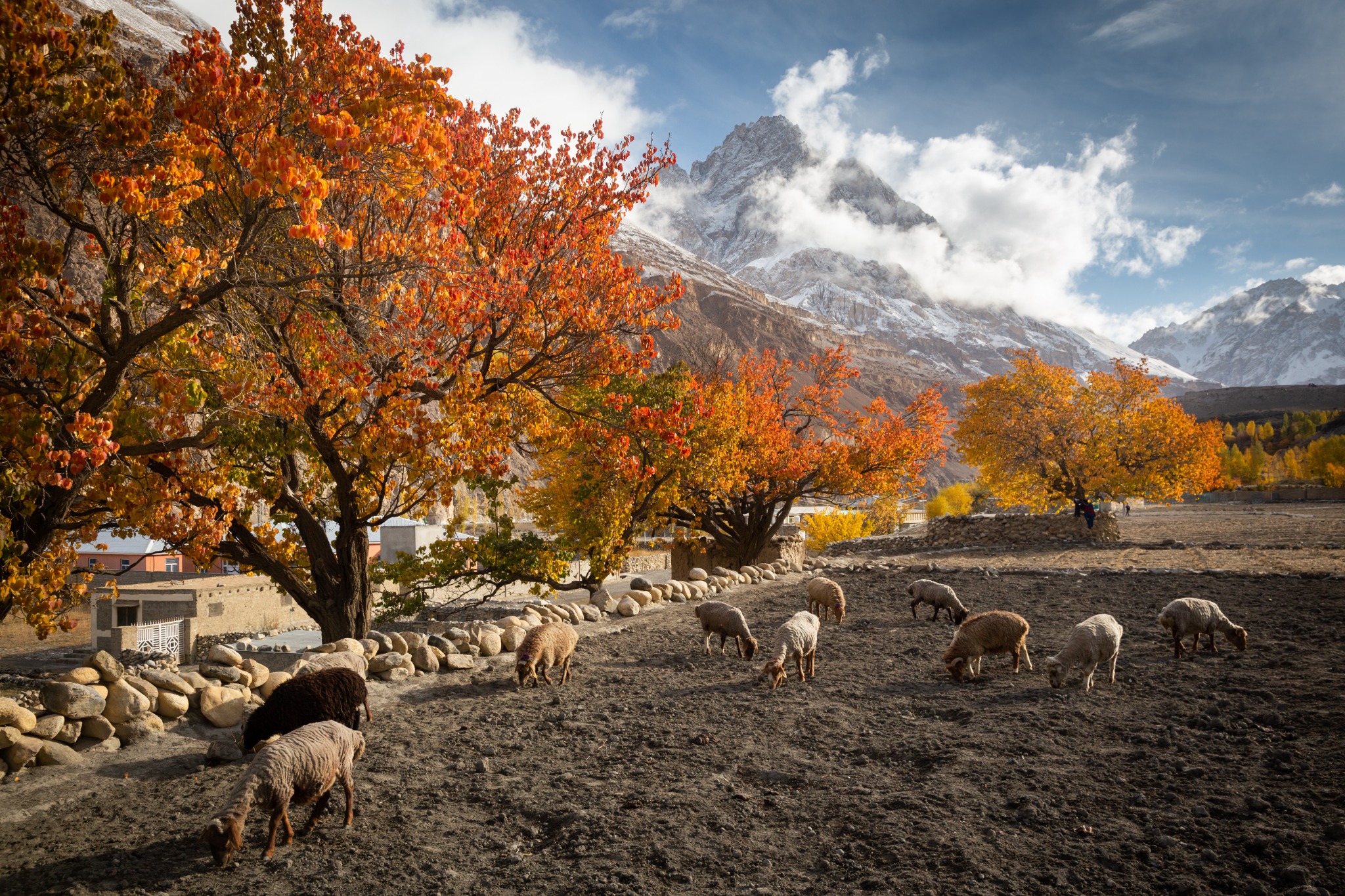
For many visitors, the most memorable cultural moment is a conversation about something practical: how a field receives water, how fruit is stored, what a family cooks, or how a household prepares for winter. Ask before entering fields, handling crops or photographing work. An attractive orchard is also someone’s livelihood.
Seasonal experiences should follow the work
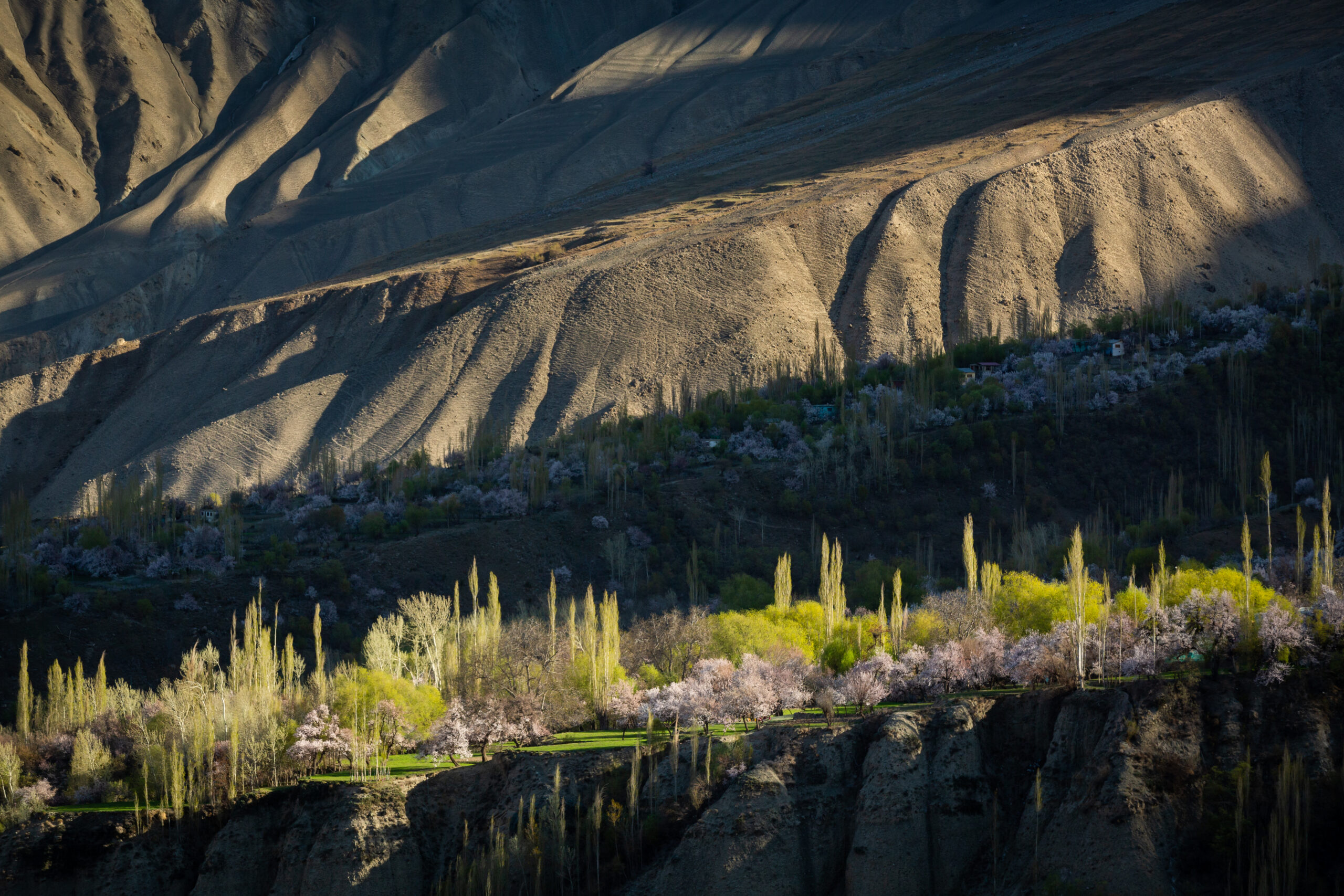
Spring blossom and autumn colours create beautiful settings, but a cultural visit should not be reduced to seasonal scenery. Ask what is happening in the agricultural year during your stay. Activities depend on the particular place, crop, elevation, weather and household. Do not assume a harvest demonstration is available simply because your dates fall in a broad season.
A pre-arranged experience might involve learning about orchard management, fruit preparation or a local recipe. Agree the duration and any payment in advance. Hosts should have the option to offer a visitor activity without being expected to interrupt necessary work for free.
Food: ask who makes it and how
The regional tourism department’s description of its 2024 Lok Mela pavilion identifies chapshuro as a meat-filled pastry and mamtu as steamed meat dumplings. These are useful introductions, but a regional menu does not mean every family prepares an identical version. Official GB pavilion food information.
A hosted food experience becomes more informative when you ask about the ingredients, method and occasion. Is this something the household normally prepares, or a dish made especially for visitors? Are ingredients grown locally or purchased? What changes between summer and winter? The answers can connect a meal with farming, trade and family life.
Explain allergies and dietary requirements before the activity is confirmed. Meat-filled dishes cannot be made vegetarian simply by serving a smaller portion; substitutions need to be agreed. Check ingredients such as dairy, wheat and nuts directly with the cook. Hospitality should never depend on a guest accepting food that is unsuitable for them.
Tea and home visits
If a home visit is arranged, clarify whether it is a paid hosted experience, an invitation from someone you already know, or a brief social call. These are different situations. Ask about shoes, seating and the parts of the house that are open to guests. Follow the host’s lead, and do not treat a welcome as permission to explore every room.
A smaller group usually makes conversation easier and places less pressure on a household. Agree a reasonable length, avoid intrusive personal questions and thank the host in a way that fits the arrangements. Your guide can help distinguish a commercial service from an invitation where payment might be inappropriate.
Architecture, crafts, music and cultural change
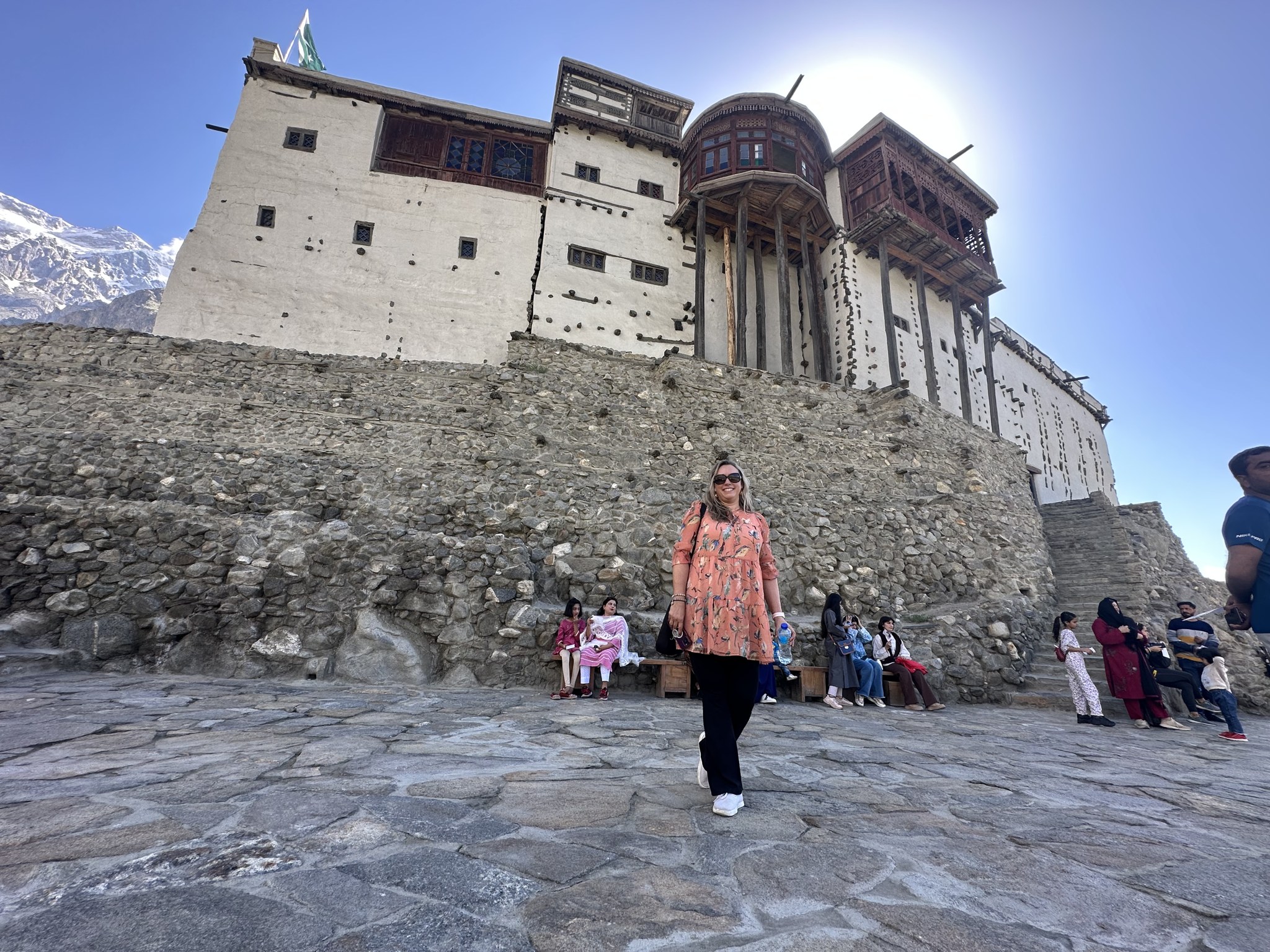
Forts are introductions, not the whole story
Baltit and Altit forts, Shigar Fort and Khaplu Palace offer accessible introductions to built heritage. AKTC’s published conservation work links restoration with local settlements and skills, including carpentry and wood carving. AKTC conservation and development in Gilgit-Baltistan.
Use a fort visit to generate questions for the wider journey. What materials were available? Who constructed and maintained the building? How did domestic spaces work? Where does a restoration reconstruct missing fabric rather than preserve it? A guide should explain what is known and acknowledge uncertainty. Read the Silk Road heritage guide for the relationship between forts, rock art and movement through the mountains.
Nearby villages are not extensions of a museum. Arrange settlement walks with consent and keep the pace suitable for residents. Do not block lanes for a long photography setup, step onto roofs or lean equipment against fragile walls. The relationship between conservation and a living settlement matters as much as the monument’s appearance.
Craft encounters and responsible purchases
When a craft visit is offered, ask to meet a maker where appropriate and learn about the process. Who produced the item, from what material, and how long did it take? A seller may stock locally made objects alongside products from elsewhere. Neither needs to be misrepresented; the important thing is an honest description.
Pay fairly for agreed demonstrations and purchases. Do not request several hours of work as an unpaid photographic performance. If you want to commission something, establish size, material, price and delivery arrangements clearly. Avoid buying archaeological objects or items whose lawful origin cannot be established.
Music, oral traditions and performance
Music can be encountered through an arranged gathering, a public festival or a recording. Lok Virsa maintains research and media programmes concerned with Pakistan’s living and intangible heritage. Its resources offer a useful way to begin listening before travel. Lok Virsa research and publications.
A private performance should be organised transparently. Confirm the musicians, duration, payment and whether recording is permitted. Ask for an explanation of the songs or instruments if the performers wish to provide one. Do not assume that a staged event represents every household’s everyday routine.
Education and enterprise are part of culture
Contemporary life deserves room in the article and the journey. AKDN’s current education account describes work with schools and government partners in Gilgit-Baltistan and Chitral, including women’s development. Such programmes are part of social change, not evidence that a community has lost its identity. AKDN’s education work in Pakistan.
Visitors should not enter schools, photograph pupils or request classroom access casually. A school visit needs a clear purpose, institutional permission and safeguards for children’s privacy. For an ordinary cultural journey, a conversation with an adult educator or community host can provide context without disrupting lessons.
Festivals and celebrations: attend with context
The regional tourism department identifies Navroz, Ginani, Shandur polo and winter events among the region’s celebrations. Its official gallery also records Ginani in Hunza and Nagar and Mayfung in Ghanche. These examples illustrate variety; they should not be combined into a claim that every festival is observed by every community. Official festivals information and regional cultural gallery.
For planning, distinguish a seasonal tradition from a scheduled visitor event. The timing of a local celebration, the official programme and the welcome extended to outside guests may differ. Confirm the date and venue for your actual year, rather than reuse a previous calendar as a guarantee.
A festival visit should include context from a local guide: what is being celebrated, which activities are public, and where visitors may stand. Obtain permission for close portraits and give performers and participants room. Do not enter restricted religious or family spaces because there is a crowd or because another visitor has done so.
Shandur is primarily a polo event with its own travel, camping and altitude considerations. A winter celebration in Baltistan has different requirements. Choose an event that fits your interests and physical comfort, then plan accommodation and transport specifically. A festival is a reason to shape a journey, not simply an extra line added to an unchanged schedule.
Respectful travel: practical etiquette that matters
Gilgit-Baltistan includes different Muslim communities and religious traditions. Do not infer a person’s faith from their language, clothing or village. Dress modestly, ask about the requirements at each religious building and avoid interrupting worship. Some places may not be open for ordinary visitor access; respect that decision.
For photographs, begin with an introduction. Ask before a portrait, explain the intended use if it will be published, and accept refusal without negotiation. Children require particular care: obtain permission from a parent or guardian and avoid identifying details that compromise privacy. A guide’s approval alone is not a substitute for the person’s consent.
A drone can disturb people, livestock and the atmosphere of a settlement. Establish the relevant legal and site permissions before flying. Do not assume an open-looking field is available for take-off. Likewise, a public-looking footpath may pass through working land where access should be clarified locally.
Avoid distributing sweets, cash or gifts to children as an improvised activity. If you wish to support a community initiative, ask about a transparent, locally led arrangement and its actual needs. Cultural travel works best as a fair exchange, with hosts paid for services and personal dignity maintained.
How to plan a people-focused journey
Choose depth before coverage. A Hunza-focused programme might combine Central Hunza heritage, time in Nagar and several Upper Hunza villages. A Baltistan-focused programme can reserve nights in Skardu, Shigar and Khaplu. A broader journey needs more time and should include the western valleys only if they support a clear interest. Compare the Hunza Valley guide and Skardu and Baltistan guide when deciding where to spend your nights.
Include a hosted experience on days with reasonable transport demands. A conversation after a very long drive rarely receives the attention it deserves. Keep room for changes: a host may have family obligations, a celebration may shift, or weather may affect a walk. Agree a suitable alternative in advance.
Ask who will interpret each region. A guide can be excellent at logistics without speaking every local language or knowing every community history. Using a local host or additional interpreter for a specific visit often makes the experience more informative.
Before booking, clarify the number of guests, walking requirements, hosted activities, fees and photography intentions. Confirm whether local guides, admissions and meals are included. Allow an Islamabad buffer before international departure if the journey relies on mountain roads or domestic flights.
Crossroads Adventure can build these encounters into a private northern Pakistan journey with time for landscapes and cultural understanding. Tell us which communities, food traditions, architecture or everyday practices interest you, and whether your priority is conversation, walking or photography. The resulting programme should explain who is hosting you and what is actually arranged.
Frequently asked questions
What languages are spoken in Gilgit-Baltistan?
Shina, Burushaski, Wakhi, Balti and Khowar are among the regional languages. Urdu is widely used across communities. The region is multilingual, and this list is not a complete census.
Are all people in Hunza Burusho?
No. Hunza includes different communities and languages. Central Hunza, Lower Hunza and Upper Hunza should not be treated as one uniform cultural area.
Can I visit a family home?
A home visit can be arranged where a host welcomes it. It requires an appropriate introduction and clear expectations, rather than arriving at a private doorway and expecting access.
Can I photograph local people?
Ask for consent before portraits and explain publication plans. Respect refusals. Obtain parent or guardian permission for children, and follow any restrictions at religious places or private events.
Which festivals should I include?
Choose according to your interests and season, then confirm the actual year’s programme and visitor arrangements. Regional celebrations vary in timing, purpose and community participation.
How long should a cultural journey be?
A focused valley journey can provide depth without covering the whole region. Combining Hunza, Baltistan and western valleys requires a longer programme. Allow enough nights for hosting and conversation rather than only transfers.
Sources and further reading
Regional language orientation is supported by official Gilgit-Baltistan district pages. Further links above include linguistic research, a community Wakhi resource, official festival and food information, AKTC conservation accounts, AKDN education information and Lok Virsa. Practical suggestions are visitor-planning guidance, not claims that every household follows the same practice.
Continue exploring northern Pakistan
Plan your northern Pakistan journey
Share your dates, interests, walking ability and preferred pace. Crossroads Adventure can shape a private journey around the places and experiences that matter to you.
Start planning your journey