To understand Pakistan, one must understand the Indus River.
Long before borders, highways, or even mountains had names, the Indus shaped how people lived, farmed, traded, and believed. Flowing from the high mountains of the north to the Arabian Sea, it has sustained life for over five millennia, making it one of the most historically significant rivers in the world.
For experienced explorers, following the Indus is not just a geographical journey — it is a way to read Pakistan’s past and present simultaneously.
The Indus River as a Civilizational Spine
The Indus River Pakistan is inseparable from the country’s identity.
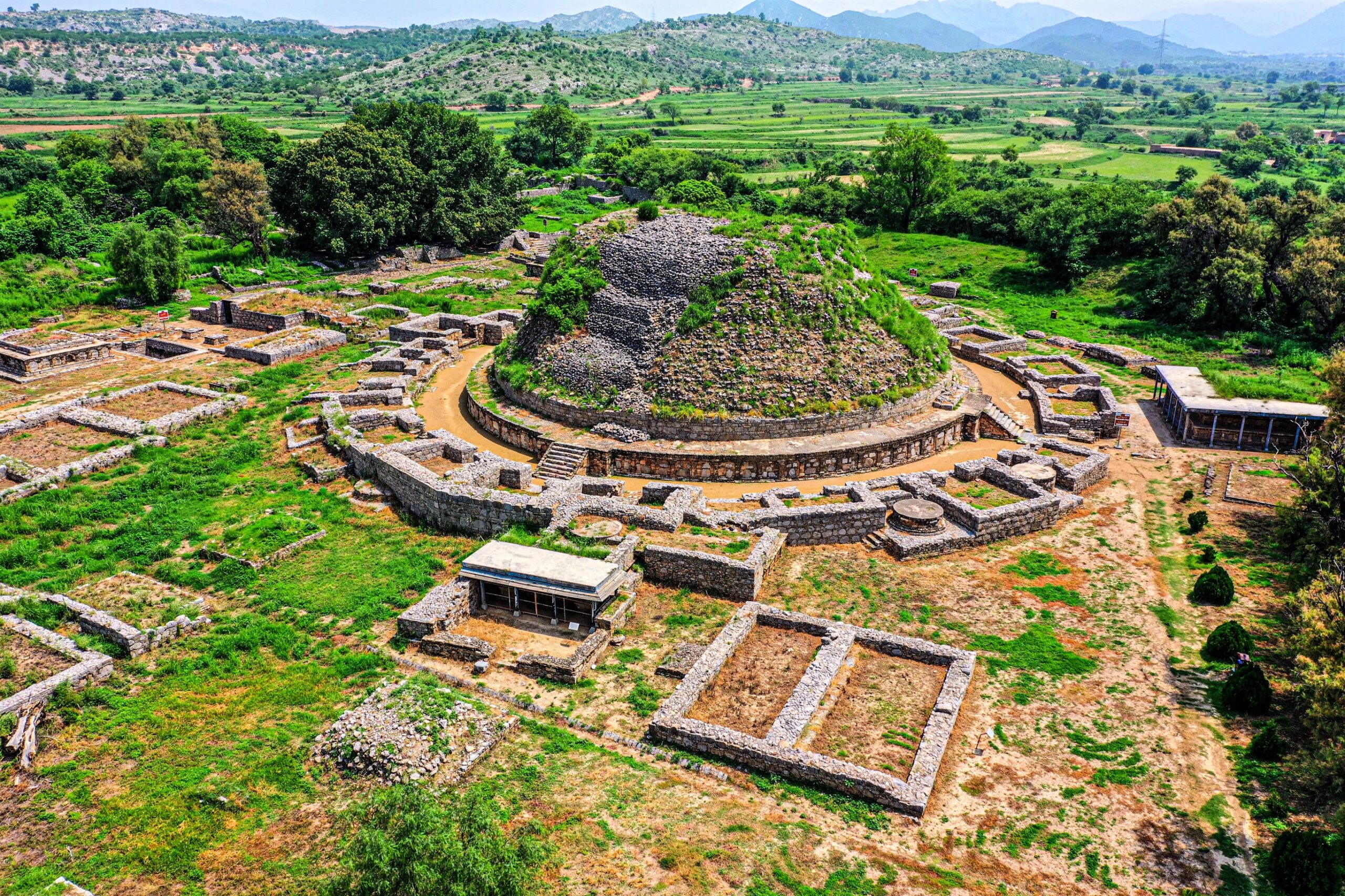
It gave rise to the Indus Valley Civilization, one of the world’s oldest urban cultures, alongside Mesopotamia and Ancient Egypt. Cities such as Mohenjo-daro and Harappa flourished along its banks as early as 2600 BCE, built on systems of agriculture, trade, and water management that were far ahead of their time.
Even today, much of Pakistan’s population lives within the Indus basin, and the river continues to shape settlement patterns, livelihoods, and food systems.
Few landscapes offer such continuity between ancient history and modern life.
From the Mountains to the Sea: A Living Geography
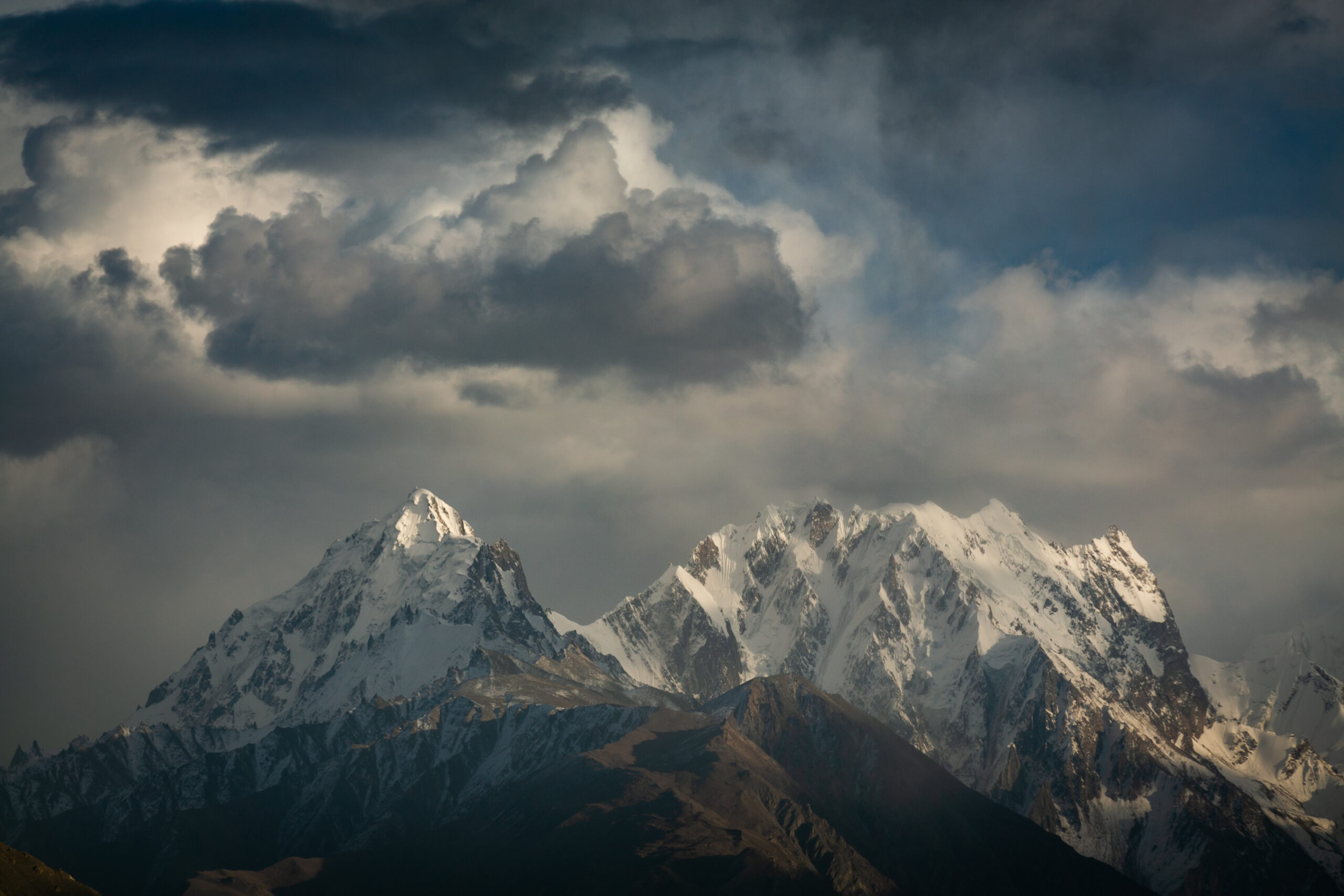
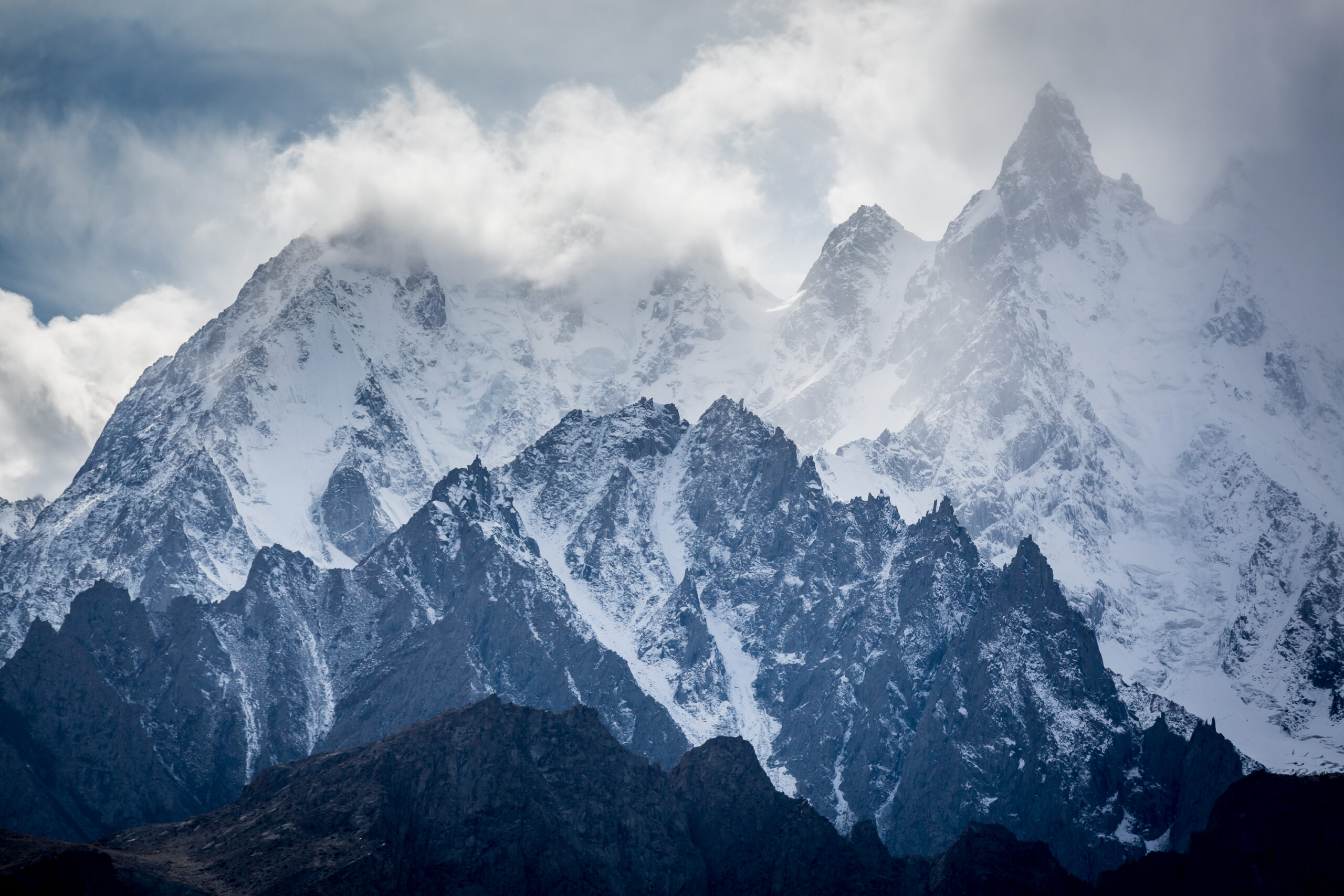
The Indus begins in the high mountains of Northern Pakistan, fed by glaciers from the Karakoram, Himalaya, and Hindu Kush ranges.
As it descends:
- it carves deep gorges through mountain terrain
- nourishes valleys and plains
- supports agriculture across Punjab and Sindh
- and eventually empties into the Arabian Sea
For travelers, this journey reveals how dramatically Pakistan’s landscapes change — and how a single river connects them all.
Experienced explorers often notice that following rivers offers more insight than following roads.
The Indus and Movement: Trade, Travel, and Exchange
For centuries, the Indus functioned as a corridor of movement.
Trade routes followed its course, linking inland regions with coastal ports. Cultural exchange flowed alongside goods — languages, beliefs, technologies, and ideas traveled as freely as water.
Even the routes that later became part of the Silk Road network intersected with the Indus basin, reinforcing Pakistan’s historical role as a crossroads rather than a periphery.
Understanding this helps travelers see Pakistan not as isolated, but as deeply connected.
Cultural Life Along the Indus
Life along the Indus is not uniform. It shifts as the river moves.
In the north, communities adapt to altitude and seasonal flow. In the plains, agriculture and festivals follow the river’s rhythms. In Sindh, Sufi traditions and poetry are deeply tied to the Indus as both a physical and spiritual presence.
For experienced explorers, observing how culture changes along the river offers insight into Pakistan’s diversity — not as fragmentation, but as variation shaped by environment.
Why the Indus Matters for Travelers Today
Modern Pakistan travel often focuses on destinations — mountains, cities, heritage sites. The Indus offers something different: a narrative thread.
Following the river allows travelers to:
- connect landscapes across regions
- understand historical continuity
- see how geography shapes belief and daily life
- appreciate Pakistan beyond highlights
This perspective is particularly meaningful for travelers who value context over consumption.
Responsible Travel and the Indus Basin
The Indus basin supports millions of people and complex ecosystems. Travel in these regions benefits from awareness and restraint.
Responsible travelers:
- respect water sources and local usage
- avoid treating river landscapes as backdrops
- understand the cultural significance attached to the river
- engage with history beyond surface narratives
For experienced explorers, responsibility deepens appreciation rather than limiting it.
Final Thoughts: Reading Pakistan Through the Indus
The Indus does not ask for attention, yet it holds everything together.
For those willing to slow down and observe, the river offers a way to understand Pakistan not as a collection of regions, but as a continuum — shaped by water, time, and human adaptation.
In a country often explained through headlines or mountains alone, the Indus reminds us that some stories are best understood by following their source.
FAQ:
Why is the Indus River important to Pakistan?
The Indus River is central to Pakistan’s history, culture, and agriculture, supporting civilizations for over 5,000 years and continuing to shape life today.
What ancient civilizations lived along the Indus River?
The Indus Valley Civilization, one of the world’s oldest urban cultures, developed along the Indus around 2600 BCE.
Where does the Indus River flow in Pakistan?
The Indus flows from Northern Pakistan through Gilgit-Baltistan, Punjab, and Sindh, before reaching the Arabian Sea.
Can travelers follow the Indus River in Pakistan?
Yes. Many travel routes, including parts of the Karakoram Highway, run alongside the Indus, allowing travelers to experience its landscapes and cultural influence.
How does the Indus River shape Pakistan travel experiences?
The river connects diverse regions, offering travelers historical continuity, cultural depth, and insight into how geography shapes daily life.