Pakistan is not a destination that reveals itself quickly — and that is precisely why it resonates so deeply with experienced explorers.
For travelers who have already explored much of the world, Pakistan travel offers something increasingly rare: depth instead of convenience, context instead of spectacle, and journeys shaped by geography, history, and human connection rather than mass tourism.
This is not a country to be consumed. It is a country to be entered.
Why Pakistan Travel Appeals to Experienced Explorers
What sets travel in Pakistan apart is not only where it lies on the map, but what converges here.
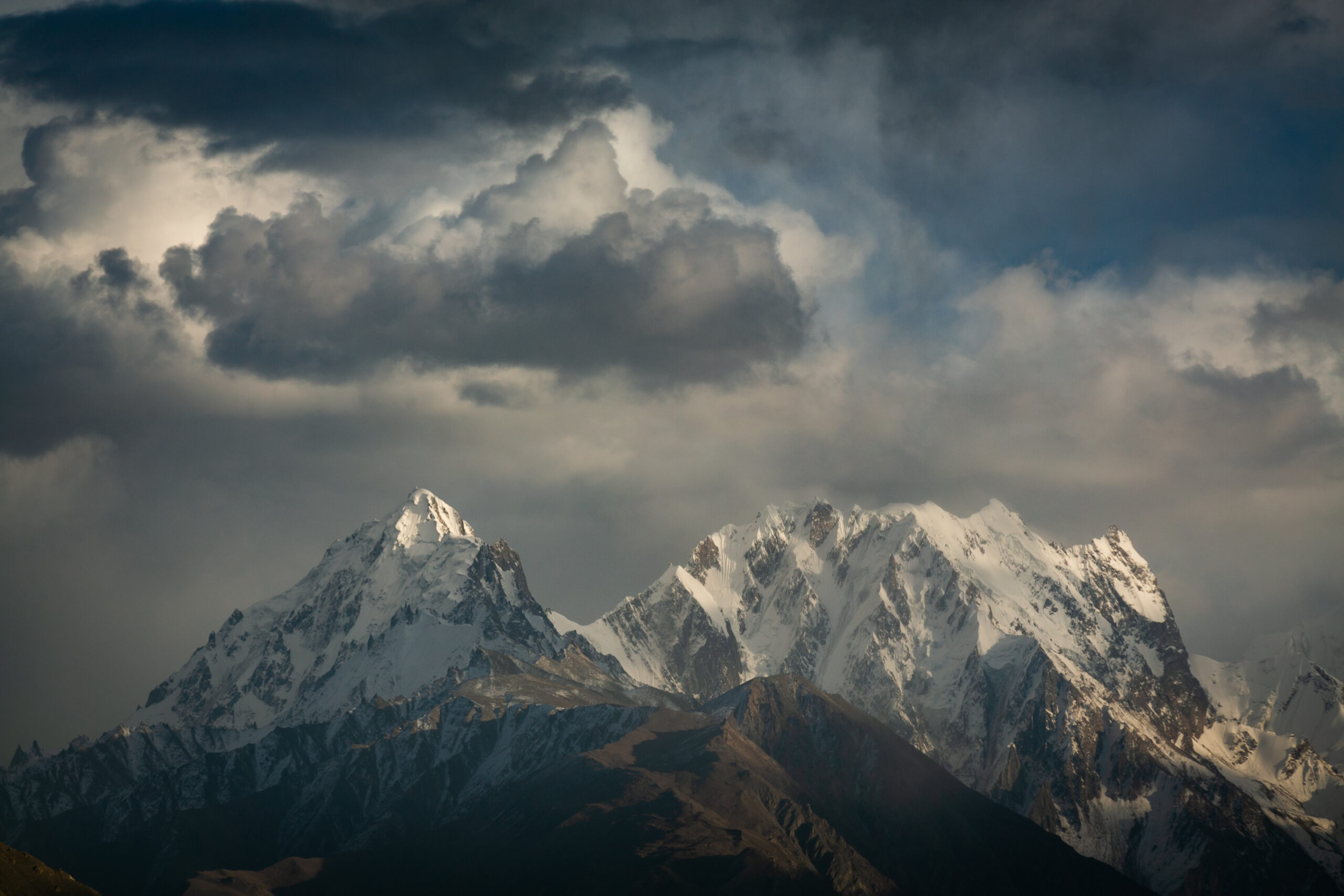
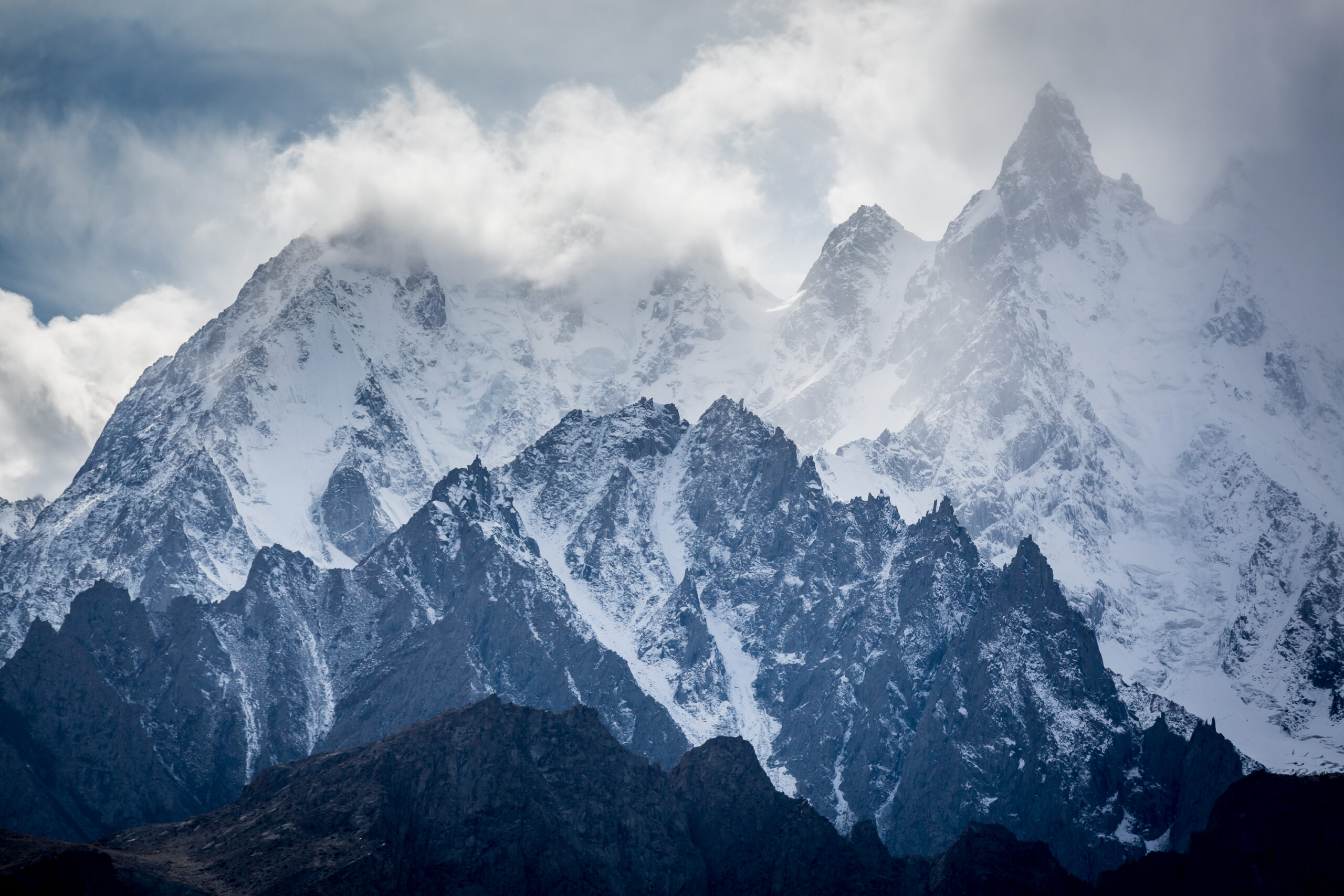
Northern Pakistan is one of the few places on Earth where the three great mountain ranges — the Karakoram, the Himalaya, and the Hindu Kush — meet. This unique geographical junction has shaped landscapes, trade routes, and cultures for thousands of years.
At the same time, Pakistan has long stood at the heart of ancient movement. Variations of the ancient Silk Route passed through these valleys, connecting Central Asia, South Asia, and China. Ideas, religions, languages, and commerce moved along these routes — traces of which remain visible today.
For seasoned travelers, this layered complexity is not intimidating. It is precisely the attraction.
Northern Pakistan Travel: Mountains With Meaning
The mountains of Northern Pakistan are often the entry point for international visitors, but for experienced explorers, they are best understood as part of a much larger story.
Hunza Valley and Upper Hunza (Gojal)
The Hunza Valley is not a single destination, but a sequence of landscapes shaped by altitude, isolation, and resilience.
Historic landmarks such as Baltit Fort and Altit Fort reflect centuries of governance and trade, while Upper Hunza (Gojal) opens into quieter settlements like Gulmit and Passu, where daily life still follows seasonal rhythms dictated by terrain and climate.
For travelers seeking meaningful Hunza Valley travel, time spent walking, observing, and engaging often matters more than distance covered.
The Karakoram Range, Pakistan
The Karakoram Range is home to some of the most dramatic mountain terrain on Earth. Peaks such as Rakaposhi (7,788 m) rise almost directly from valley floors, creating an immediate sense of scale and presence.
Journeys such as the Rakaposhi Base Camp trek provide access to glaciers and high-altitude landscapes without the heavy footfall found in more commercial trekking regions. These environments reward preparation, patience, and humility rather than speed.
The Karakoram Highway and the Ancient Silk Route
The Karakoram Highway, often described as one of the world’s most scenic roads, broadly follows alignments of the ancient Silk Route, linking Pakistan with China.
For experienced explorers, this route is not about driving quickly. It is about understanding how geography shaped trade, migration, and survival long before modern borders existed.
The Indus River: A Civilizational Spine
Few rivers have shaped human history as profoundly as the Indus River.
Flowing from the high mountains of northern Pakistan to the Arabian Sea, the Indus has sustained civilizations for over five millennia, from the Indus Valley Civilization to present-day communities.
For travelers interested in cultural depth, tracing the Indus offers insight into how settlement patterns, agriculture, belief systems, and trade developed across the region. The river remains a living spine of Pakistan’s history and identity.
Beyond the North: Cultural and Historical Travel in Pakistan
While mountains often dominate attention, Pakistan travel becomes far richer when its cultural breadth is explored.
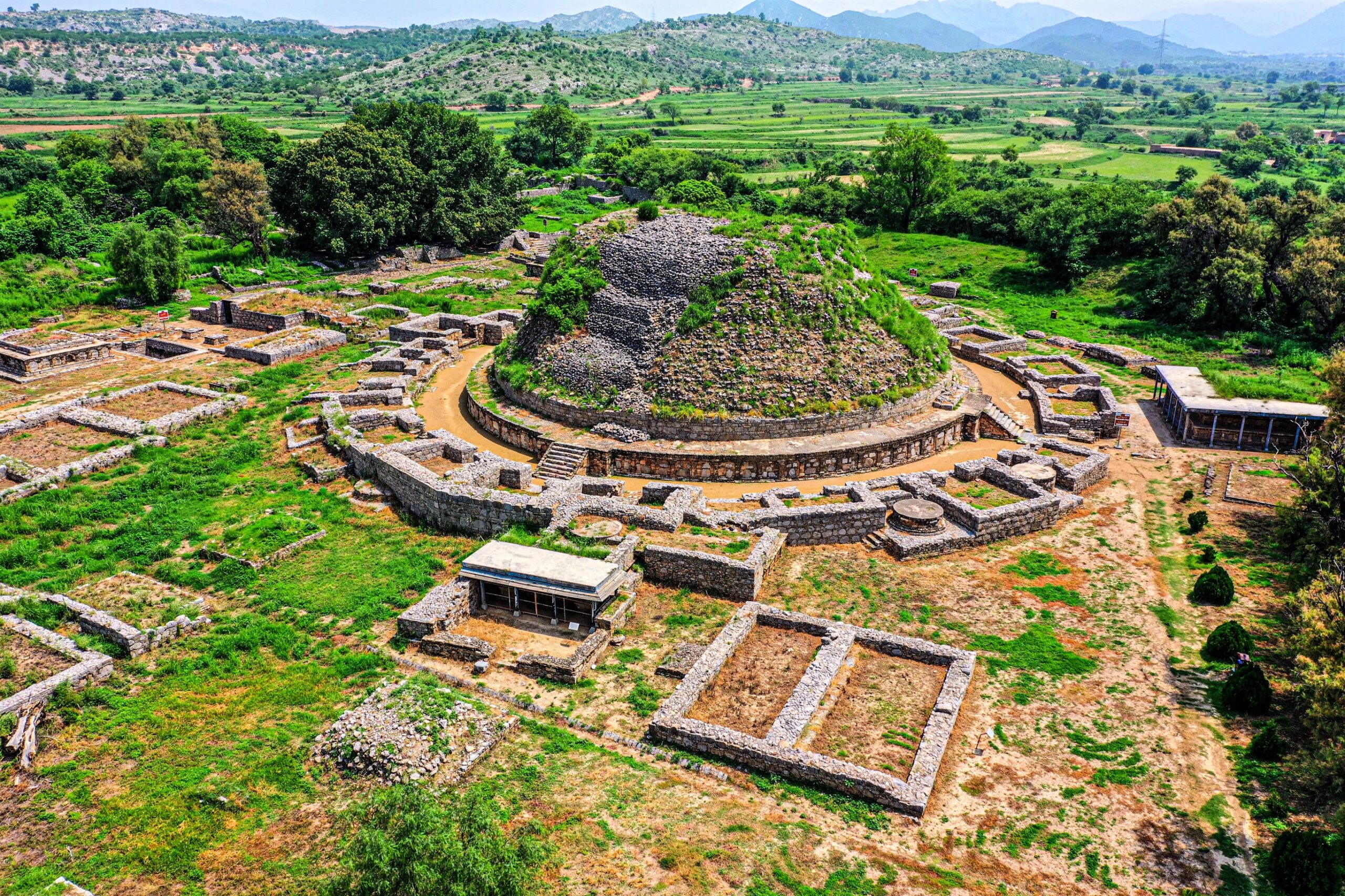
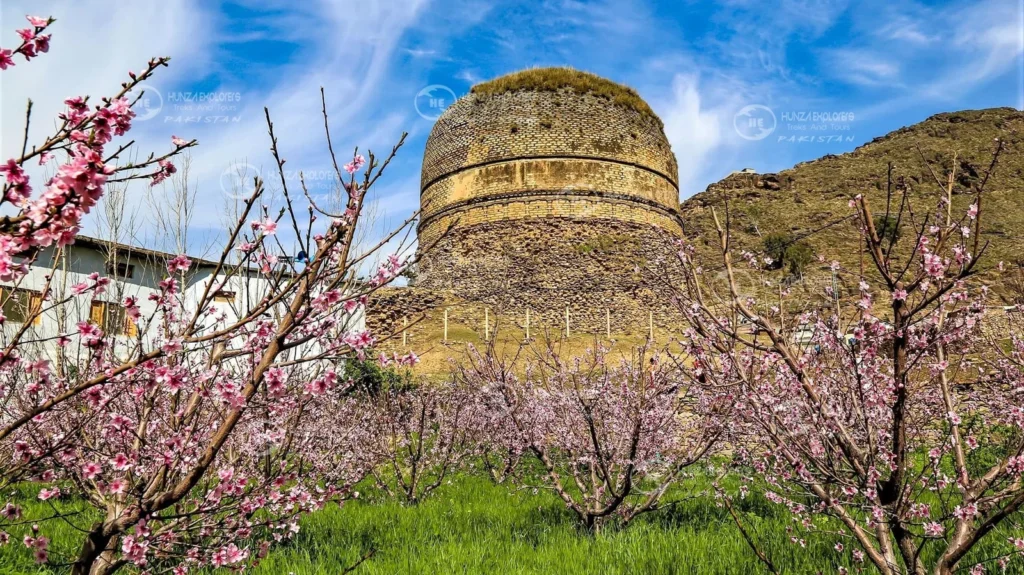
From the Buddhist heritage of Taxila, to Mughal-era architecture in Punjab, to Sufi traditions across Sindh, Pakistan contains multiple historical layers that coexist rather than replace one another.
This diversity cannot be absorbed quickly. It rewards travelers who approach the country with curiosity, patience, and an openness to complexity.
Is Pakistan Safe to Visit for International Travelers?
The question “Is Pakistan safe to visit?” is one of the most frequently searched topics related to Pakistan travel.
For informed, well-prepared travelers, Pakistan is generally safe for international visitors, particularly in regions such as Gilgit-Baltistan, Hunza Valley, northern Punjab, and Islamabad.
Safety in Pakistan is closely tied to:
- local knowledge
- realistic itineraries
- cultural awareness
- seasonal planning
Experienced explorers understand that Pakistan is not a destination for improvisation, but for those who value preparation, it is deeply rewarding.
Best Time to Visit Pakistan
Choosing the best time to visit Pakistan depends on region and travel style.
- Spring (March–May): Ideal for cultural travel, lower valleys, and Hunza cherry blossom season
- Summer (June–August): Best for high-altitude regions and trekking in the Karakoram Range
- Autumn (September–October): Often the most rewarding season, with stable weather and clear skies
- Winter: Limited access to high mountains, but suitable for cultural journeys and winter landscapes
Seasoned travelers prioritize experience quality over convenience when planning their journey.
Responsible Travel in Pakistan
In remote and culturally sensitive regions, responsible travel in Pakistan is essential.
Small groups, unhurried pacing, respectful photography, and fair engagement with local communities often lead to deeper access and more meaningful encounters than mass tourism ever could.
For experienced explorers, responsibility is not a trend — it is part of good travel.
Who Pakistan Is — and Isn’t — For
Pakistan is well suited for travelers who:
- have travelled widely
- value depth over speed
- are comfortable with uncertainty
- seek cultural understanding
It may not suit travelers seeking:
- fast-paced sightseeing
- highly commercialized experiences
- luxury detached from local context
Understanding this distinction early leads to better journeys — for both visitors and hosts.
Final Thoughts on Traveling Pakistan
Pakistan does not try to impress quickly. It unfolds gradually, often quietly, sometimes unexpectedly.
For experienced explorers, Pakistan remains one of the few destinations where travel still carries a sense of discovery — where mountains, rivers, and ancient routes come together to form a living narrative.
The journey here is measured not in distance, but in depth of engagement.
FAQ:
Is Pakistan safe for tourists and international travelers?
Yes. Pakistan is safe for tourists when travel is well planned, regionally informed, and culturally aware. Areas such as Hunza, Gilgit-Baltistan, and the Karakoram Highway are commonly visited by experienced explorers.
What is the best time to visit Northern Pakistan?
The best time to visit Northern Pakistan is typically April–May and September–October, when weather conditions are stable and landscapes are most accessible.
Is the Rakaposhi Base Camp trek difficult?
The Rakaposhi Base Camp trek is considered moderate and suitable for experienced walkers with good fitness. It offers close access to glaciers within the Karakoram Range without technical climbing.
Do travelers need a guide in Pakistan?
While independent travel is possible in limited areas, local guides significantly enhance safety, logistics, and cultural understanding, especially in remote regions.
Is Pakistan suitable for small group travel?
Yes. Small group travel in Pakistan allows for flexibility, responsible exploration, and deeper cultural engagement.