Choosing the best time to visit Pakistan is less about finding a single “perfect month” and more about understanding how seasons shape experience.
Pakistan is a country of extremes — in altitude, climate, and geography. From high mountain valleys to fertile plains, from ancient cities to remote passes, timing influences not just weather, but accessibility, pace, and the nature of encounters along the way.
For experienced explorers, seasonality is not a logistical detail. It is part of the journey’s design.
Why Timing Matters When You Travel Pakistan
Unlike destinations with uniform climates, travel in Pakistan is deeply affected by altitude and terrain.
A journey that feels effortless in one season may be inaccessible in another. Mountain roads close, rivers swell, temperatures shift dramatically, and daily life adjusts accordingly.
Understanding this rhythm allows travelers to experience Pakistan at its best — not rushed, not compromised, and not reduced to contingency planning.
Spring in Pakistan (March–May)
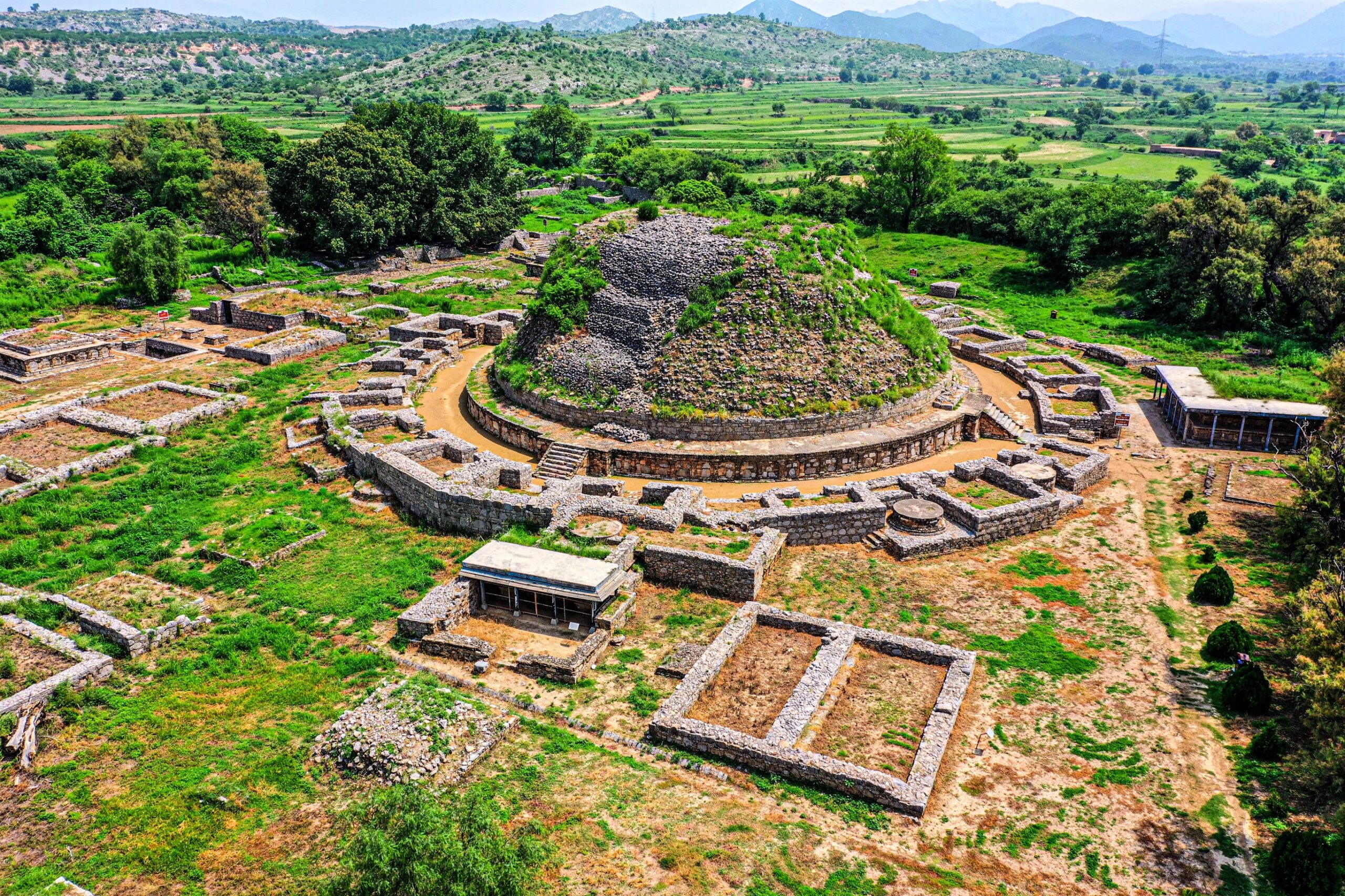
Spring is one of the most balanced and rewarding seasons for Pakistan travel, particularly for cultural exploration and lower-altitude regions.
In Northern Pakistan, spring brings a brief but striking transformation. Valleys such as Hunza experience blossom season, when apricot and cherry trees bloom against snow-covered peaks. Temperatures are mild, roads begin to reopen, and daily life emerges from winter’s pause.
Spring is especially suited for:
- cultural travel
- heritage sites
- walking and short hikes
- travelers seeking gentler conditions
For many seasoned travelers, spring offers a quieter, more reflective entry into the country.
Summer in Pakistan (June–August)
Summer is the primary season for high-altitude travel in Pakistan.
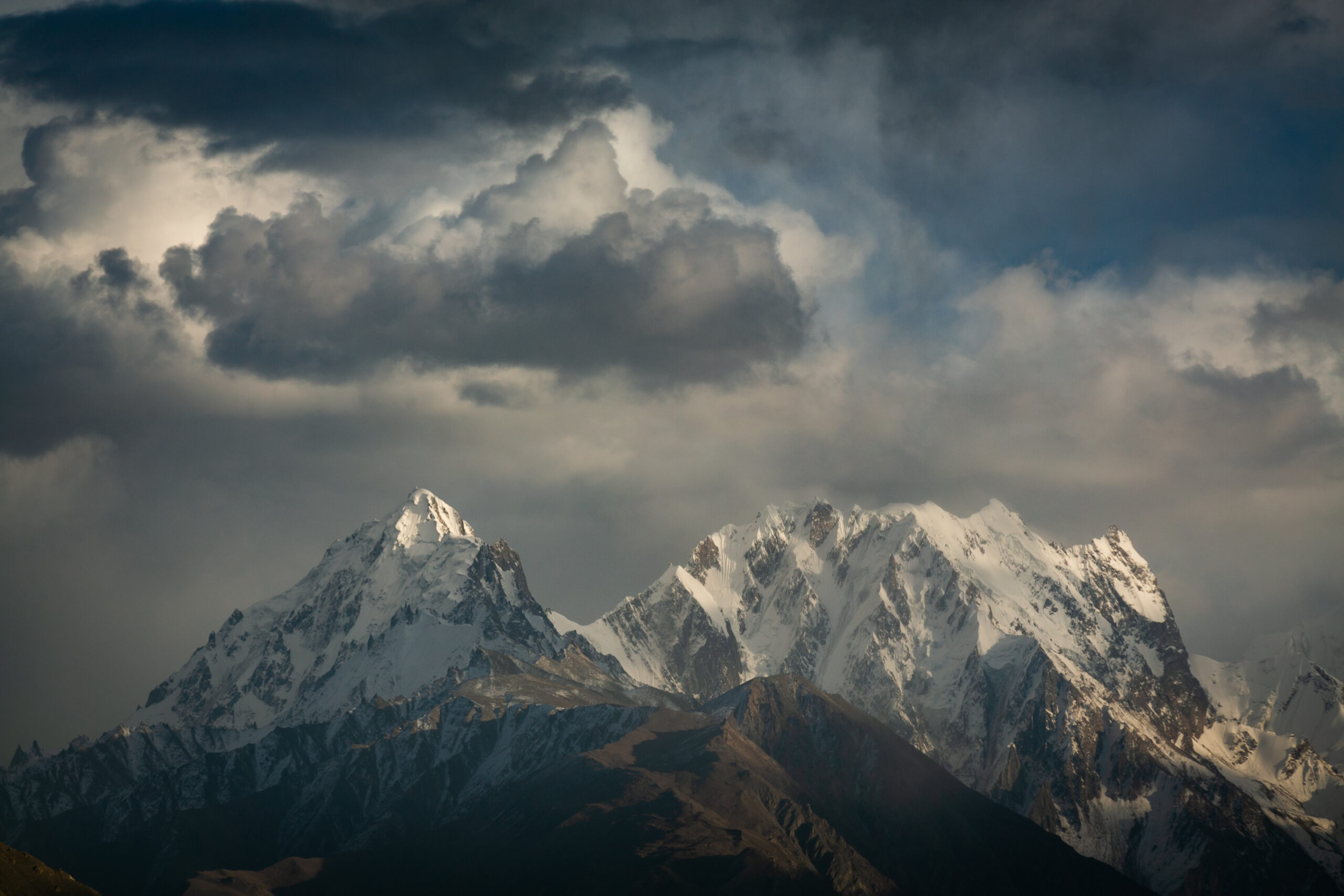
Regions within the Karakoram Range, including Hunza, Skardu, and surrounding valleys, become accessible as snow retreats from mountain passes. Treks such as Rakaposhi Base Camp are typically undertaken during this period.
However, summer travel requires realistic planning. Weather in the mountains can be unpredictable, and monsoon systems affect different regions unevenly.
Summer suits travelers who:
- are comfortable with variable conditions
- prioritize mountain landscapes
- understand the need for flexibility
For experienced explorers, summer offers access rather than ease.
Autumn in Pakistan (September–October)
For many, autumn represents the best time to visit Northern Pakistan.
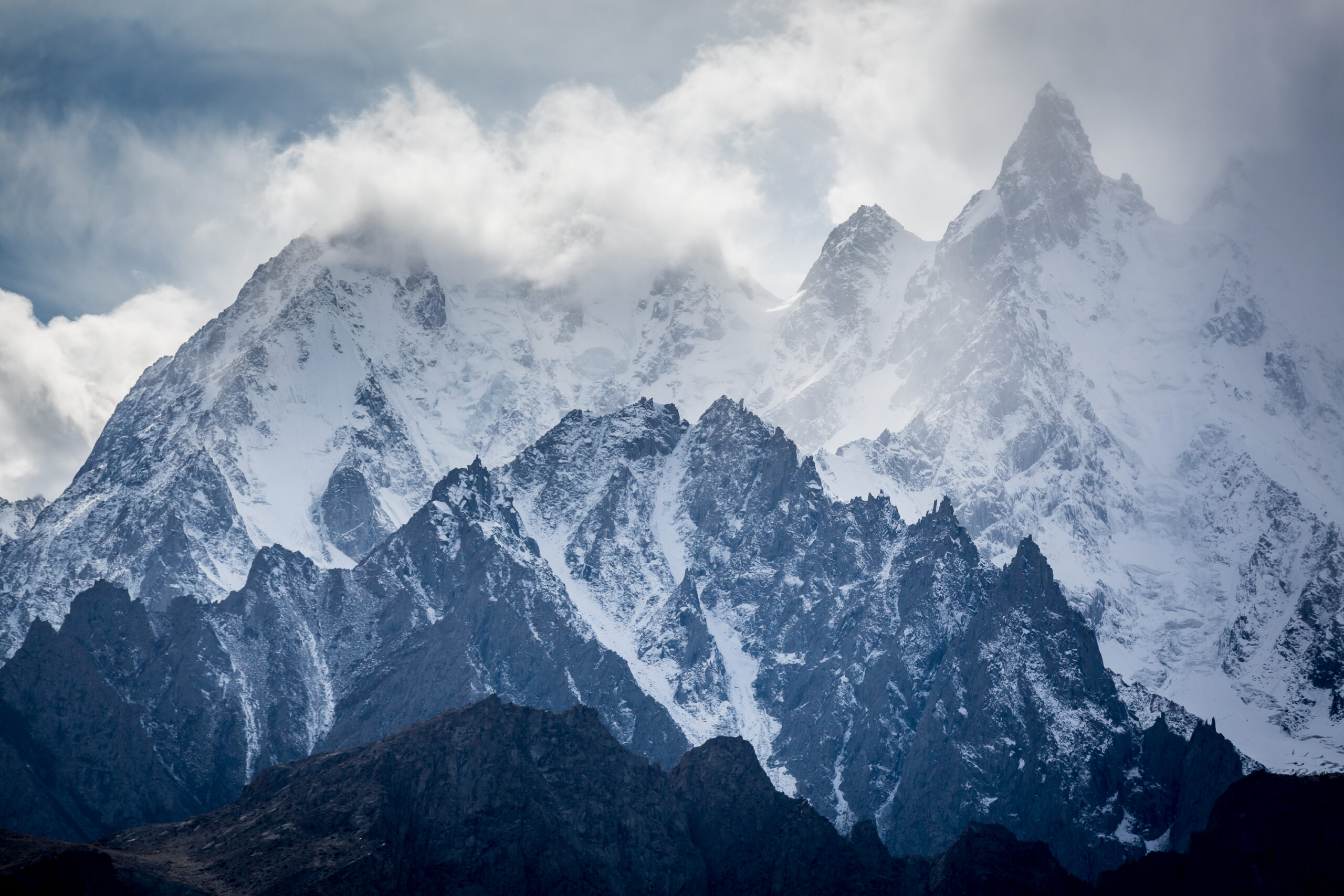
The monsoon has passed, skies are often clear, temperatures are stable, and mountain visibility is at its peak. Valleys take on autumn colours, and travel feels calmer after the intensity of summer.
Autumn is particularly well suited for:
- photography
- trekking and walking journeys
- longer road travel
- travelers seeking clarity and space
Among experienced explorers, autumn is often considered Pakistan’s most rewarding season.
Winter in Pakistan (November–February)
Winter reshapes travel in Pakistan rather than ending it.
High mountain regions become inaccessible, but lower-altitude areas, cities, and cultural routes remain open. Winter is quieter, more introspective, and often overlooked — which can be precisely its appeal.
Winter travel suits those interested in:
- cultural immersion
- historic cities
- slower journeys
- winter landscapes and solitude
For travelers who value atmosphere over activity, winter offers a different, more intimate perspective on Pakistan.
The North vs the Rest of Pakistan: Seasonal Balance
While much attention is placed on Northern Pakistan, the country’s diversity means that one region’s off-season may be another’s ideal time.
Sindh, Punjab, and parts of Khyber Pakhtunkhwa follow different climatic rhythms. Experienced explorers often design journeys that balance regions rather than chase a single seasonal ideal.
Pakistan rewards those who think in terms of experience flow, not rigid timing.
Choosing the Best Time Based on Travel Style
There is no universal answer to the best time to visit Pakistan — only the best time for how you choose to travel.
- Cultural explorers often prefer spring or winter
- Mountain-focused travelers lean toward summer or early autumn
- Photographers frequently favor autumn
- Slow travelers often appreciate shoulder seasons
Seasoned explorers understand that timing is part of intention.
Final Thoughts on Seasonality in Pakistan
Pakistan does not present itself the same way twice. Seasons alter landscapes, conversations, and possibilities.
For those willing to plan thoughtfully, Pakistan travel becomes less about avoiding challenges and more about aligning with the country’s natural rhythm.
The most rewarding journeys are not defined by perfect weather — but by choosing the right moment for the experience you seek.
FAQ:
What is the best time to visit Pakistan?
The best time to visit Pakistan is generally spring (March–May) and autumn (September–October), depending on region and travel style.
What is the best time to visit Northern Pakistan?
The best time to visit Northern Pakistan is typically June to October, with September and October offering the most stable weather and clear mountain views.
Is summer a good time to travel Pakistan?
Yes, summer is ideal for high-altitude regions and trekking, but travelers should expect variable weather and plan with flexibility.
Can you visit Pakistan in winter?
Yes. While high mountain areas may be inaccessible, winter is suitable for cultural travel, cities, and quieter journeys.
Which season is best for trekking in Pakistan?
Most trekking routes in the Karakoram Range are best accessed between June and September, depending on altitude and conditions